-
A Conflict Prevention Agenda Should Inform Climate Change Actions in Africa
›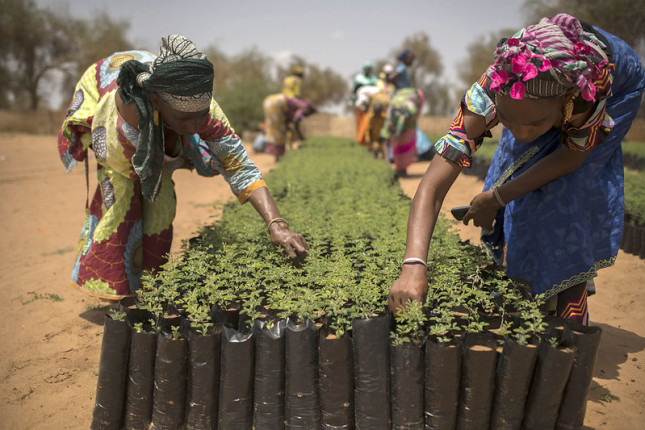
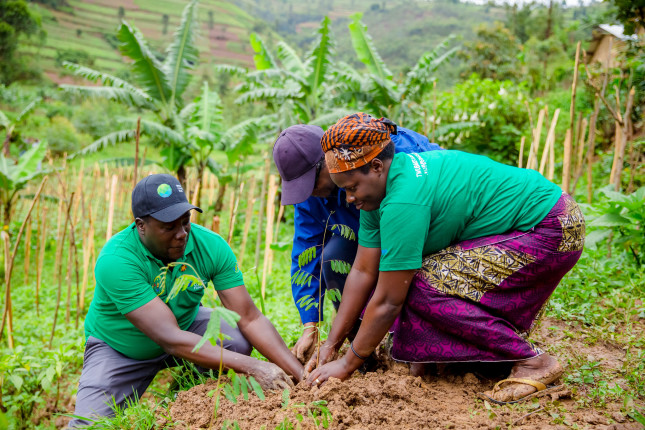
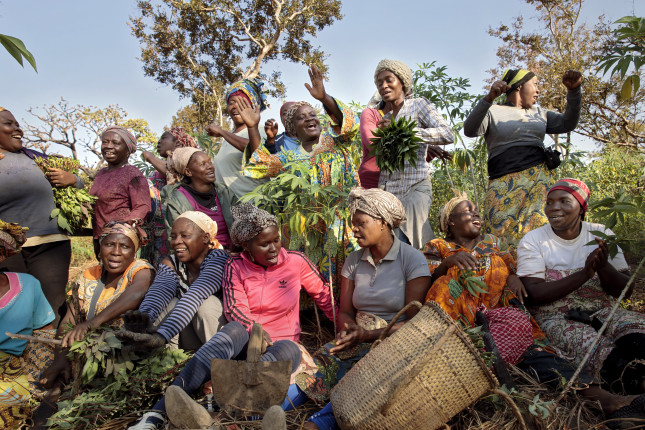
In Africa, climate change and population expansion are increasing fragilities and vulnerabilities—including contributing to conflict dynamics—for many people who directly depend on nature. To cope with how their environment can no longer supply livelihood needs, people are migrating in search of security or economic stability. These factors interact with one another in ways that underline the need for inclusive conflict mitigation considerations in climate change action.
-
The NIC’s Global Trends 2040 Report: A Development Outlook
›
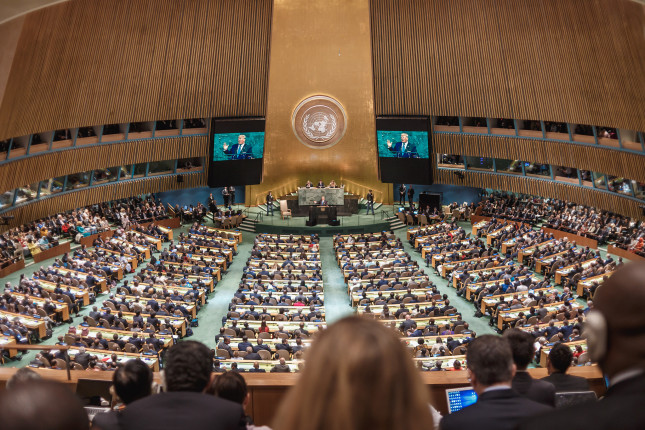
The recently released National Intelligence Council’s Global Trends 2040 report, clocking in at over 140 pages, is titled “A More Contested World.” That headline should come as no surprise to development professionals. The report, reviewed by the incoming Director of National Intelligence Avril Haines, before being sent to President Biden and Congress, examines key trends that will likely influence U.S. national security out to 2040. I blogged on the Global Trends Report back in 2015, when it was on the verge of being unveiled at the splashy South-by-Southwest (SXSW) festival in Austin. This year’s public release was much more muted and the overall outlook decidedly more bleak, chaotic, and turbulent, not just from the lingering fallout of a “long tail” COVID-19 pandemic, but from the ominous environmental consequences of climate change on everything from glaciers and rising sea levels, to more frequent and intense tropical storms, and an unprecedented numbers of wildfires, like those seen last year in the Western United States. The NIC report also speaks to the ominous societal changes coming our way, best characterized by a widening chasm between what governments can reliably deliver and what citizens can reasonably expect.
-
Raising Ambition: The Role of the Green Climate Fund in Building Capacity and Catalyzing Investment
›Coordinating international financing for climate adaptation and mitigation remains a persistent challenge. In its 2020 Adaptation Gap Report, the United Nations Environment Programme observes that the annual cost of climate adaptation in developing countries could rise from $70 billion today to $280-500 billion by 2050—and current funding levels are growing at too modest a pace to keep up.
-
Geoengineering and Notions of Sovereignty: A Wilson Center NOW Interview with Beth Chalecki
›As climate change impacts become starker, interest in geoengineering is growing. Geoengineering is “climate manipulation technologies that we can use to alter the climate to offset the worst parts of climate change,” says Beth Chalecki, Associate Professor of International Relations at the University of Nebraska Omaha, and Research Fellow at the Wilson Center, in a recent episode of Wilson NOW. “It sounds like a technological fix, but of course it’s not that simple,” says Chalecki.
-
Nature-based Solutions: Latin America and the Caribbean’s Green Opportunity
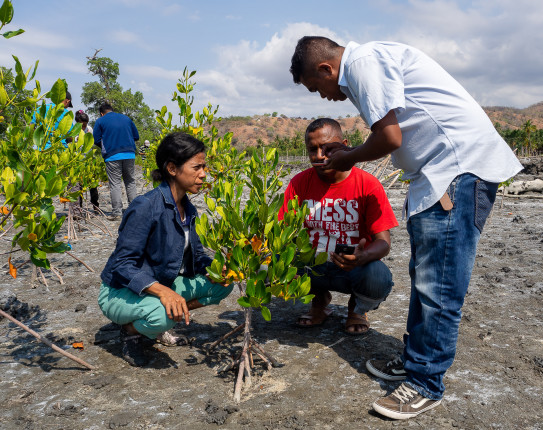
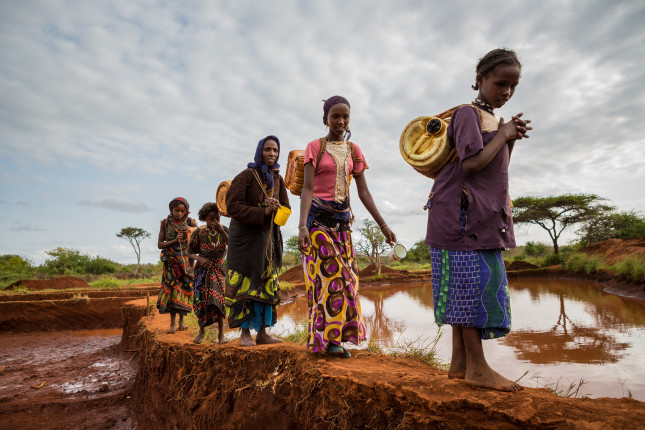
›Already facing water stress, much of Latin America (such as the western slopes of the Andes and the dry corridor of Central America) is projected to experience intensified periods of drought in the coming decades, further complicating development efforts in the region. At the same time, heavy floods are the most common natural disaster in the region, disrupting life for countless people. According to the World Bank, in Latin America and the Caribbean alone roughly $14 billion per year is required to meet the 2030 water and sanitation targets of the United Nations Sustainable Development Goals. Typically, investments at this scale have been made by governments and large firms that invest in traditional infrastructure such as dams. But with ever-growing development needs and increased understanding of the impacts of climate change, Nature-based Solutions (NBS) are gaining momentum as a new way of incorporating environmental considerations into development responses.
-
Climate Change, Armed Conflict and Humanitarian Organizations: Defining Their Role, Greening Their Response
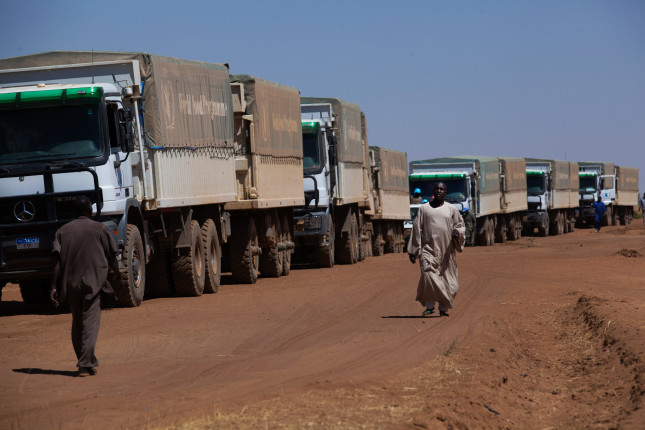
›Humanitarian actors play a critical role in responding to climate-related crises, armed conflict, or a combination of both. Their response comes with an environmental cost. Humanitarian staff air travel, for instance, represents a significant source of carbon emissions and humanitarian logistics remain heavily dependent on fossil fuels. As the demand for humanitarian response climbs and countries increase their commitments to curb climate change, a question arises: Can humanitarian organizations mitigate their environmental impact and remain effective in responding to the consequences of armed conflict and climate impacts?
-
Raising Climate Ambition Should Include Environmental Peacebuilding
›In January, the Biden Administration released the Executive Order on Tackling the Climate Crisis at Home and Abroad. It is a sweeping document that integrates climate concerns into policy and governance, including into national security. It recognizes that environmental security, the integration of environmental considerations into national security strategy, policy, and programs, is essential to combat the global climate crisis and should be mainstreamed across U.S. government efforts. The idea is not a new one. One of the authors (Goodman) led early environmental security efforts in the U.S. Department of Defense (DoD) for 8 years of the Clinton Administration in the 1990s, during the first chapter of awareness of environmental considerations in defense and foreign policy.
-
Translating Urgency Into Action on Water, Climate, and Security
›“We need to devote our full attention to the relationship between water, climate, and security, increase understanding of the issue, and take urgent action,” said Carola van Rijnsoever, Director of Inclusive Green Growth at the Netherlands Ministry of Foreign Affairs, at a recent Hague roundtable on building a transatlantic coalition for climate action on water and security challenges in countries of risk.
Showing posts from category climate change.