-
The Biden Administration Confronts the Climate-Carbon Cleavage
›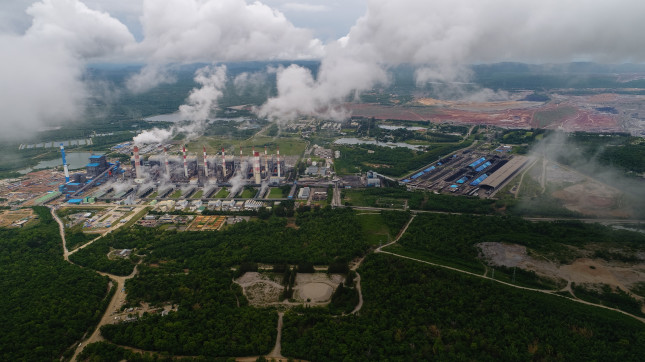
Of the many ways in which the 2020 presidential election might reshape American society, its impact on climate policy may well be the most significant. The Biden administration’s ability to move forward with its agenda, however, is greatly constrained by the carbon-climate cleavage that increasingly shapes American legislative politics and electoral competition. The administration has met this challenge with a three-prong strategy intended to bridge this cleavage.
-
“Land is Now the Biggest Gun”: Climate Change, Conflict, and the Telling Case of Karamoja, Uganda
›
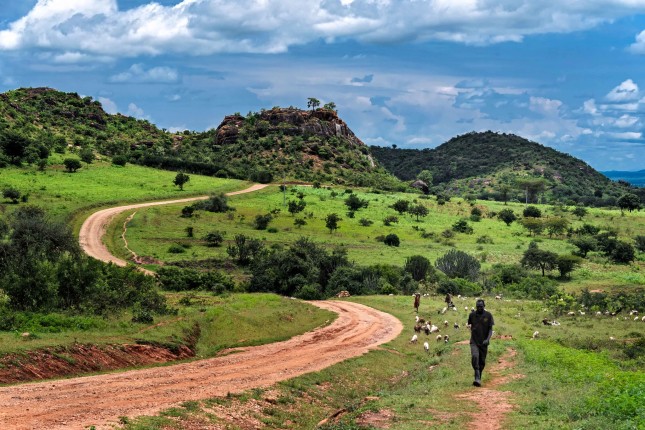
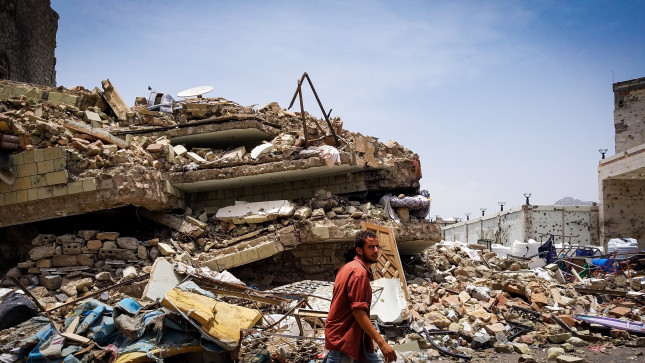
Whether and how climate change drives conflict has driven considerable debate over the past decade. Yet understandings of climate-conflict remain general, and in many respects, unsettled. A recent assessment of potential future directions for climate-conflict research highlights the need to go beyond generalities and deepen insight into the contextual mechanisms that link climate change to conflict. That type of knowledge requires in-depth studies that trace climate-conflict dynamics in particular places and times. In an article recently published in Climate and Development, I examine how climate change alters conflict outcomes and vulnerability in Karamoja, Uganda. The case offers direct insight into both why the climate-conflict relationship can be so difficult to interpret and also the need to broaden conceptualizations of the climate-conflict relationship.
-
Developing a Shared Narrative on Climate Change, Fragility, and Peacebuilding
›“Addressing the link between climate, conflict, and environment is a critical piece of the new USG framework for addressing fragility, and, as the Biden administration scales up its efforts to center climate change in its foreign policy and national security agendas, it’s going to be essential to consider the linkages between climate action and opportunities to build peace,” said Joe Hewitt, Vice President at the U.S. Institute of Peace during a recent event co-hosted by the Wilson Center and the U.S. Institute of Peace on the importance of integrating climate change responses, conflict prevention efforts, and peacebuilding.
-
Building Resilience in the Sahel in an Era of Forced Displacement
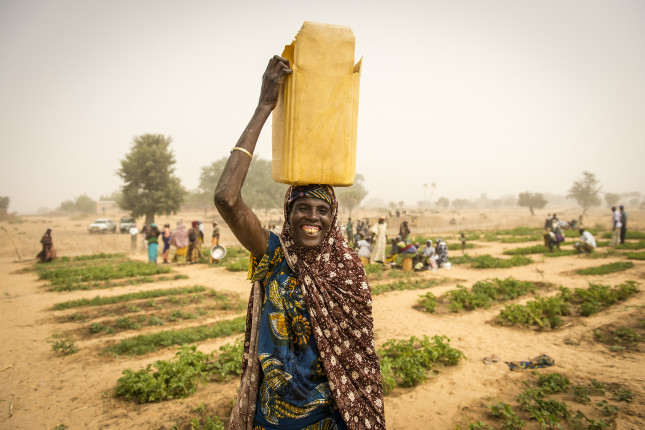
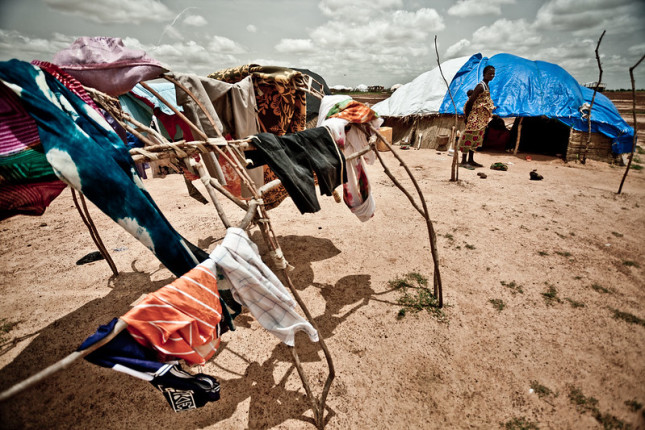
›“The impacts of displacement present major challenges at every level of decision-making, but the opportunities for interventions that build resilience to climate change, foster social cohesion, and address gender and other disparities—well they’re also very real as well,” said Ambassador Mark Green, President, Director, and CEO of the Wilson Center, during his opening remarks at a recent event hosted by the Wilson Center and Population Institute to explore innovative approaches to addressing the underlying drivers of forced displacement in the Sahel.
-
Why We Need a Climate Security Course-Correction for Stability in the Sahel
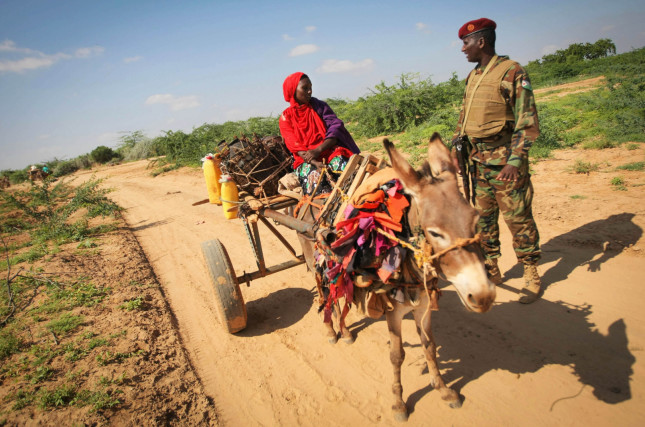
›Not only is the Sahel highly vulnerable to the impacts of climate change, but it is also one of the regions where climate change is most likely to undermine security and trigger violent conflict. Now more than ever, climate security risks must be effectively integrated into stabilisation and peace operations in order to achieve stability in the region.
-
Climate Change and Terrorism
›Climate change is a defining global issue of our time. In a recent address to the UN Security Council, John Kerry, the U.S. presidential envoy for climate, remarked that climate change is “the challenge of all of our generations.” An important dimension of the challenge presented by climate change concerns its implications for state and human security.
-
The Climate Crisis and Southeast Asian Geopolitics
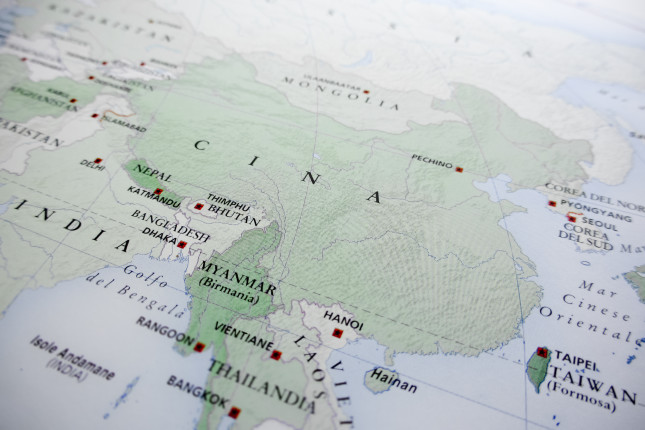
›Southeast Asia is at the center of the two major geopolitical challenges of the 21st century: climate change and the rise of China. As decision-makers across the region grow increasingly concerned about climate change and environmental degradation, as well as the implications of intensifying competition between China and the United States, Washington has an opportunity to strengthen its engagement with Southeast Asia and advance its broader geopolitical objectives.
-
Michael Kugelman, The Third Pole
Why was Pakistan Left out of Biden’s Climate Summit?
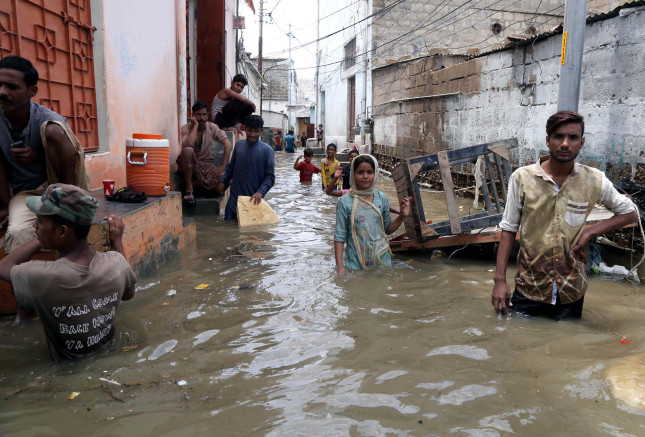
›April 8, 2021 // By Wilson Center StaffGiven that Pakistan is one of the most climate-vulnerable countries in the world, Washington shouldn’t write it out of the climate change cooperation script
The White House has announced the names of 40 world leaders invited by US President Joe Biden to participate in a virtual global climate summit on April 22-23. Many Pakistanis are unhappy – and with good reason – that Prime Minister Imran Khan isn’t on the list.
Showing posts from category climate change.