-
Q&A: Midwives as a Vital Climate Solution
›Dot-Mom // Guest Contributor // Q&A // May 3, 2024 // By Esther Bander, Rosemary Ngougu, Eugenia Mensah, Angeline Houman & Pandora Hardtman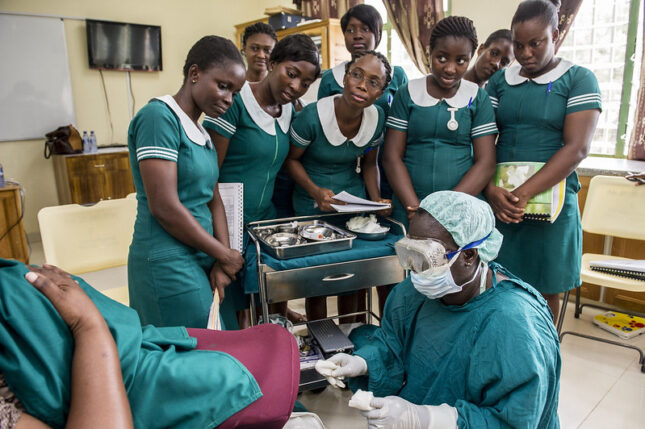
May 5th is the International Day of the Midwife. This year’s theme, “Midwives: A Vital Climate Solution,” acknowledges the role that midwives play by delivering environmentally sustainable health services, adapting health systems to climate change, and as first responders when climate-related disasters occur. Empowering a resilient health workforce with midwives as first contacts for maternal health care can improve universal health coverage through reductions in environmental impact, as well as more efficient, less costly health systems, and stronger local economies.
-
Tackling Food Waste in China’s Restaurants
›China Environment Forum // Cool Agriculture // Guest Contributor // May 2, 2024 // By Shiyang Li & Sam Gray
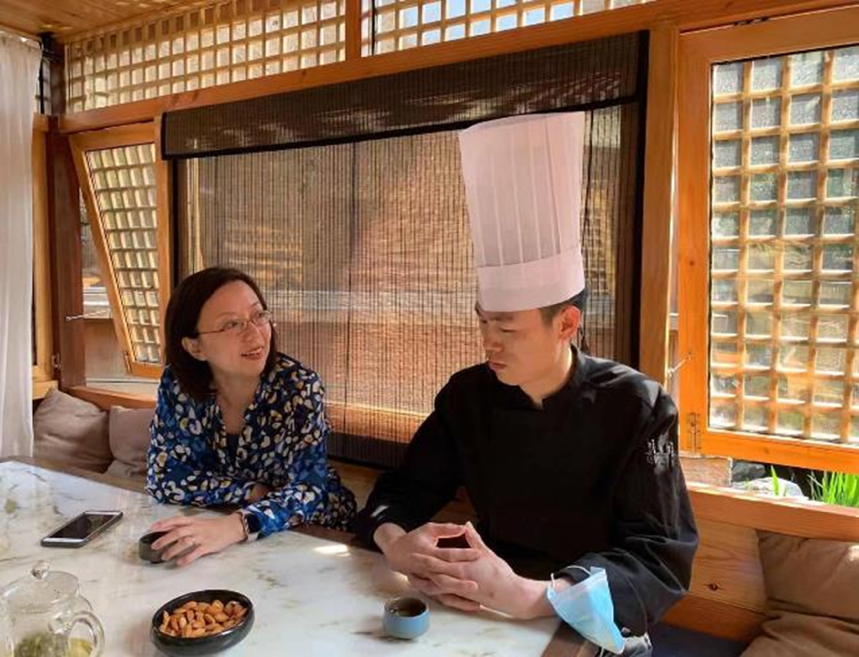
Back in 2020, Shiyang Li at Rare visited restaurants across China to interview over 30 different owners and staff about the attitudes, beliefs, and everyday behaviors that contribute to food waste. Similar to global trends, food waste in China remains a significant challenge. A 2020 survey found restaurants in Chinese cities wasted at least 34 million tons of food every year, which can feed as many as 49 million people.
-
Can Kazakhstan Meet Its Climate Goals?
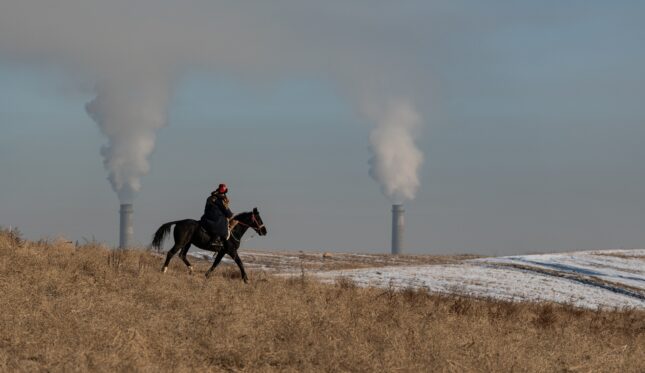
›“I’m only 33 years old. I have my entire life to live, and I would like to retire on a habitable planet.” | Zulfiya Suleimenova
Signs of our warming planet reveal themselves through the smallest of changes. Zulfiya Suleimenova, Kazakhstan’s Special Representative for International Environmental Cooperation, noticed something odd when she left Kazakhstan’s capital, Astana, in late November for the 28th United Nations Climate Conference (COP28).
-
ECSP Weekly Watch: April 22 – 26
›A window into what we are reading at the Wilson Center’s Environmental Change and Security ProgramInter-American Court of Human Rights Hears from Climate Victims (The Guardian)
Globally, courts are increasingly linking climate change and human rights violations. Earlier this month, for example, the European Court of Human Rights ruled that weak Swiss government policies violated human rights. Another hearing on the opposite side of the world this week will examine states’ legal responsibilities to tackle climate change. In an inquiry instigated by Colombia and Chile, the Inter-American Court of Human Rights will define states’ legal responsibilities to tackle climate change. It will be the third international court tasked with providing an advisory opinion on climate change, but the only one focusing on human rights.
-
The Arc | Dr. Renata Giannini on Women Environmental Defenders in the Amazon and Climate Mitigation
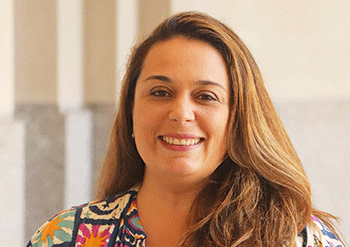
›In today’s episode of The Arc, ECSP’s Angus Soderberg and Claire Doyle interview Wilson Center Fellow Dr. Renata Giannini about her work with women environmental defenders in the Amazon and their role at COP30 in Brazil. Select quotes from the interview are featured below. -
Climate Priorities in the Middle East and North Africa: Takeaways from a New Occasional Paper
›In a new Occasional Paper published by the Wilson Center’s Middle East Program and ECSP, journalist Taylor Luck examines the climate priorities of wealthy and middle-income countries in the Middle East and North Africa (MENA). Luck analyzes the policies adopted by MENA states, highlighting gaps and offering recommendations to strengthen climate action in a region strained by both instability and climate change.
-
ECSP Weekly Watch: April 15 – 19
›UNFPA’s State of World Population 2024 Report Highlights SRHR Inequalities (UNFPA)
Over the last 30 years, the world has made immense progress in improving sexual and reproductive health and rights (SRHR) for women and girls around the world. Since 1994, when governments agreed that SRHR was a cornerstone of international development at the Cairo International Conference on Population, rates of unintended pregnancies have fallen 20%, 162 countries have adopted anti-domestic violence laws, and maternal deaths have decreased by 34%.
-
The Power of Play with The Plastic Pipeline
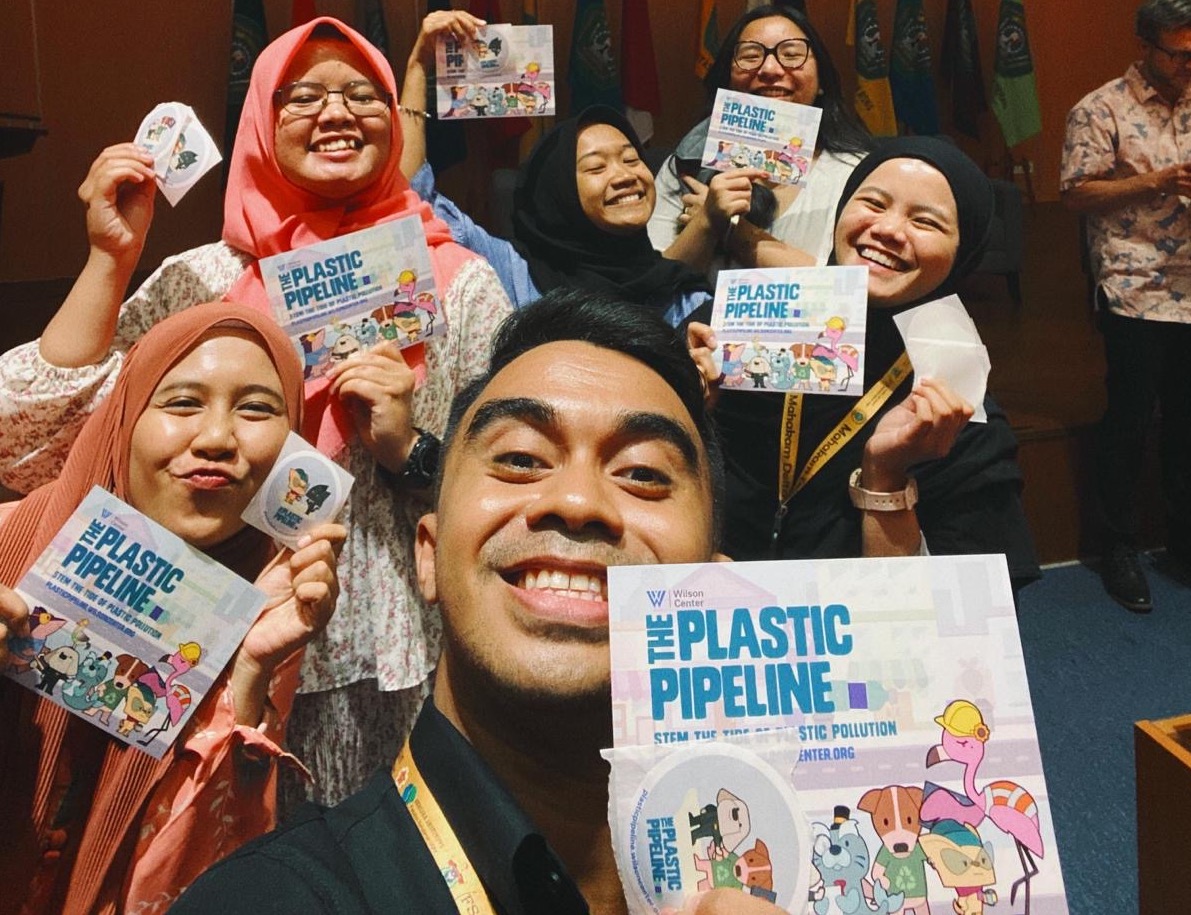
›During a visit to Vietnam in November 2023, I cringed as my aunt tossed our now empty bánh mì plastic bag onto the sidewalk. “It doesn’t really matter,” she shrugged, “there aren’t any nearby trash cans anyway.” Finding a trash can wouldn’t have helped much, as two-thirds of Vietnam’s plastic waste ends up burnt, landfilled, or leaked.
Showing posts from category climate change.
 In today’s episode of The Arc, ECSP’s Angus Soderberg and Claire Doyle interview Wilson Center Fellow Dr. Renata Giannini about her work with women environmental defenders in the Amazon and their role at COP30 in Brazil. Select quotes from the interview are featured below.