-
Integrating Climate, Peace, and Security in MENA Countries’ NDCs
›
The potential threat climate change poses to peace and security is perhaps nowhere more apparent than in the Middle East and North Africa (MENA). Nationally Determined Contributions (NDCs) are one way MENA countries can address this compound risk.
-
The Arc | Dr. Mizan Khan on Loss and Damage and Bangladesh’s Role as a Climate Adaptation Leader
› In today’s episode of New Security Broadcast, ECSP’s Claire Doyle and Angus Soderberg speak with Dr. Mizan Khan, Technical Lead at the Least Developed Countries Universities Consortium on Climate Change. Dr. Khan was formerly the Deputy Director at the International Center for Climate Change and Development (ICCCAD), a research institute based in Bangladesh.
Dr. Khan describes Bangladesh’s vulnerability to climate change and its unique role as an adaptation leader. He also discusses what he believes the core principles of the Loss and Damage Fund should be, and the legacy of the late Dr. Saleemul Huq.
-
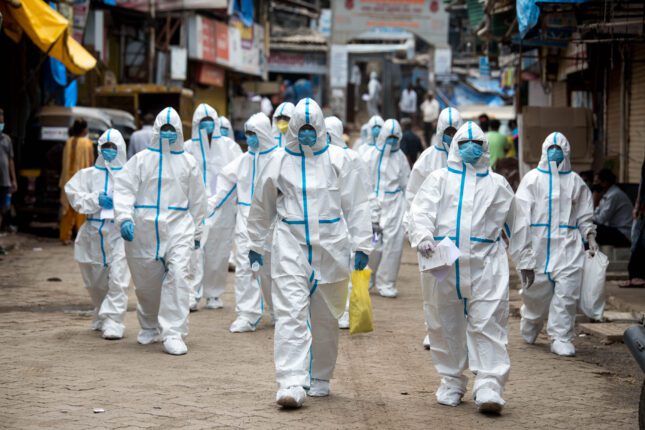
Climate, Conflict, and Changing Demographics Command Attention in New Global Health Security Report
›A new report by the US Intelligence Community highlights what the world stands to lose if it fails to cooperate on global health. The National Intelligence Estimate (NIE) “Dynamics Shaping Global Health Security In the Next Decade” outlines the dire effects of climate change, changing demographics, and the erosion of trust in institutions on global health security. The NIE on Global Health Security was made publicly available in April 2024, on the heels of the Biden-Harris Administration’s launch of a new Global Health Security Strategy.
-
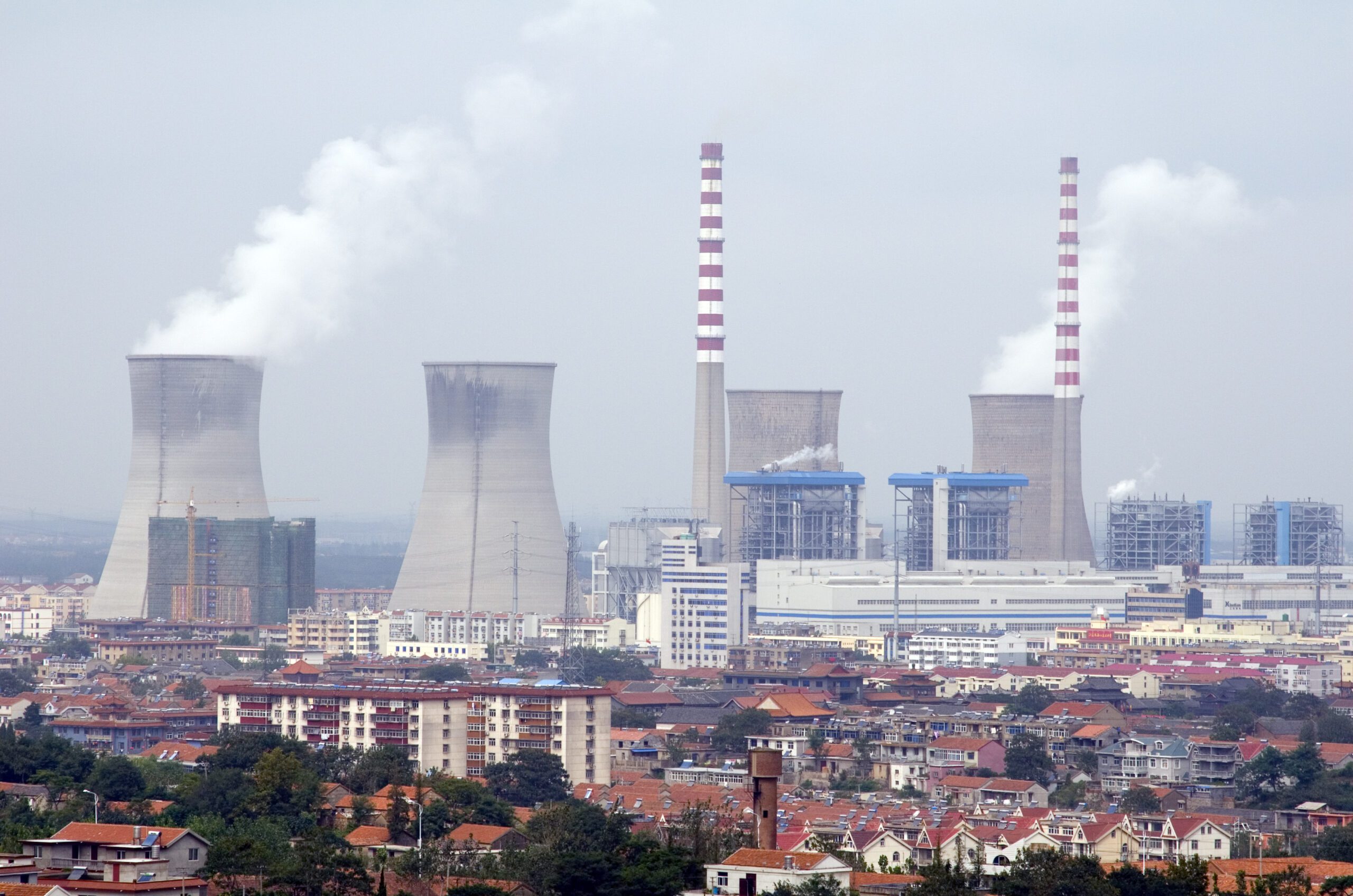
Don’t Panic US: China’s Nuclear Power Ascendancy Has Its Limits
›Like bamboo sprouts after the rain, nuclear reactors are going up quickly across China. There are 36 reactors under development, and Beijing can approve as many as 10 new ones a year. Within a decade, China will likely pass the United States—which has 93 operating commercial nuclear reactors at 54 power plants—as the world’s biggest generator of nuclear power.
-
Key Takeaways from the Innovations in Climate Resilience Conference
›Historically, efforts to mitigate climate change have taken precedence over building resilience to its impacts. But from Pakistan to the Amazon, communities on the front lines are already experiencing the devastating effects of a warming world.
In recent weeks, devastating floods have claimed the lives of over 450 people in East Africa, as heavy rains linked to El Niño and changing climate patterns overwhelmed communities and infrastructure. Similar tragedies unfolding in Brazil, Pakistan, and Afghanistan underscore the human cost of being unequipped to protect against the worst impacts of climate change.
-
Thought-leaders and Frontline Workers in Environmental Peacebuilding: An Oral History | Dr. Dhanasree Jayaram
›Environmental Peacebuilding Oral History // New Security Broadcast // May 10, 2024 // By Claire Doyle
In today’s episode of New Security Broadcast, ECSP’s Claire Doyle speaks with Dr. Dhanasree Jayaram, Program Manager at Climate Diplomacy and Assistant Professor at the Manipal Academy of Higher Education in India. Dr. Jayaram describes what environmental peacebuilding looks like in the context of South Asia, how climate diplomacy connects to environmental peacebuilding, and how the field has evolved. In looking at the future of environmental peacebuilding, she also raises insights and questions that an environmental peacebuilding lens can help us consider as we push forward on climate action.
-
ECSP Weekly Watch | May 6 – 10
›A window into what we are reading at the Wilson Center’s Environmental Change and Security Program
2024 World Migration Report Highlights Climate-Food-Mobility Nexus (International Organization for Migration)
The International Organization for Migration’s flagship World Migration Report 2024 highlights a wide variety of factors contributing to global migration, including conflict, economic or political insecurity, and climate change. Between 2020 and 2022 the number of asylum seekers increased more than 30% to 5.4 million people. The report centers climate change’s impact on food security as a core driver of migration. In 2022, 275 million people faced acute food insecurity, which represents a 146% increase since 2016.
-
ECSP Weekly Watch: April 29 – May 3
›A window into what we are reading at the Wilson Center’s Environmental Change and Security ProgramEnvironmental Prize Winners Highlight Local Communities’ Fight Against Fossil Fuels (New York Times)
On Monday, several environmental leaders won the Goldman Environmental Prize, which the Goldman Environmental Foundation awards annually to grassroots environmental activists from each of the world’s six geographic regions. This year’s prize comes as environmental advocacy groups, especially indigenous ones, increasingly fight legal battles against companies or government entities that wish to use their land for oil and gas acquisition or coal mining.
Showing posts from category climate change.
 In today’s episode of New Security Broadcast, ECSP’s Claire Doyle and Angus Soderberg speak with Dr. Mizan Khan, Technical Lead at the Least Developed Countries Universities Consortium on Climate Change. Dr. Khan was formerly the Deputy Director at the International Center for Climate Change and Development (ICCCAD), a research institute based in Bangladesh.