-
For Environmental Peacebuilding and Development Work, Collaboration Pays Dividends
›
Many recurring problems in natural resource management are the result of missing a key point: ecosystems and human systems are inextricably linked and dynamic, changing constantly. We are part of a socio-ecological system, not external to it, as many previously thought. In the “age of man” – the Anthropocene, as some scientists call the current era – cross-sectoral collaboration is needed to make substantial headway in tackling complex challenges, such as natural resource-related conflict and climate change.
-
System Shock: To Prevent the Next Disaster, Change the Paradigm
›
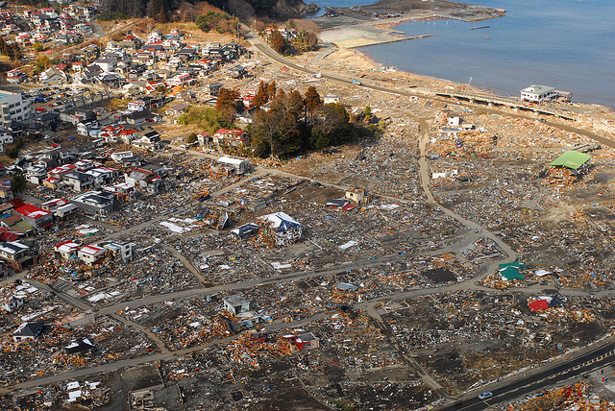
In the wake of natural disasters, the idea that systematic change might be needed to prevent future crises often takes a backseat to restorative efforts. But as disasters become more common, there is often a blurring of disaster response and development initiatives.
-
Nat Geo’s Dennis Dimick on the Food-Water-Energy Nexus, Coal, and the Year Ahead
›
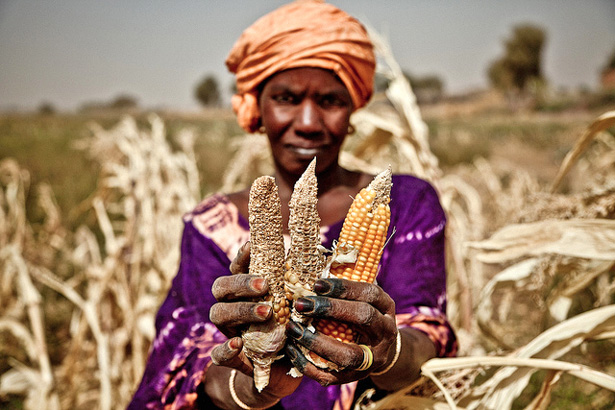
How clean can coal be? What is the future of food security in water-deprived regions, and how will that affect national security? Dennis Dimick, National Geographic Magazine’s executive editor for the environment, discusses some of the most pressing global environmental problems in this week’s podcast.
-
Bouncing Forward: Why “Resilience” Is Important and Needs a Definition
›As policymakers respond to the threat of climate and environmental change, the concept of resilience has found itself at the center of discussion. Few scientists and policymakers, however, can come to a consensus on how to define, evaluate, and build resilience.
-
Basket Case No More? Bangladesh’s Successes Portend Resilience in Face of Change
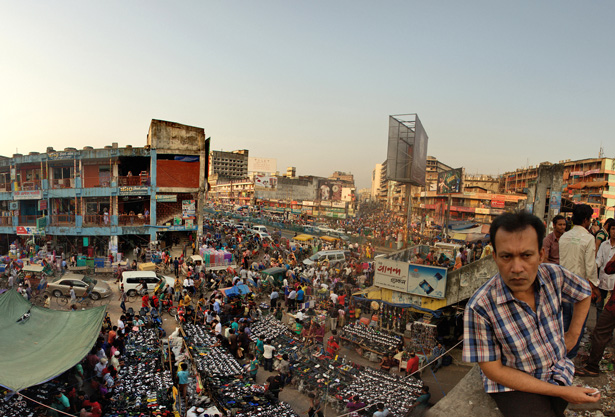
›This past December, Bangladesh turned 42, bringing the country Henry Kissinger once predicted would become a “basket case” into comfortable middle age (though perhaps this analogy breaks down for countries like Switzerland, age 722).
-
Geoff Dabelko, Ensia
The Periphery Isn’t Peripheral: Barriers to Cross-Sectoral Collaboration in Development
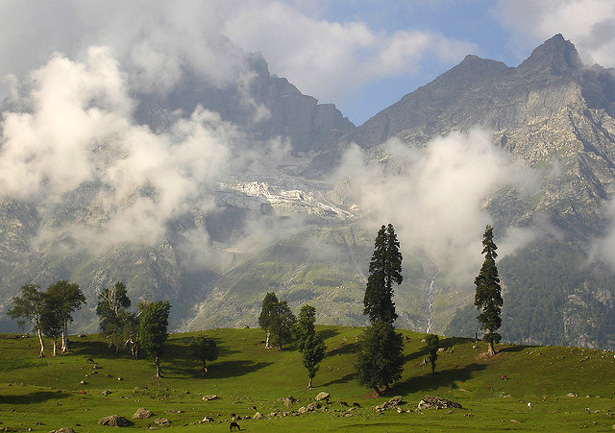
›February 14, 2014 // By Wilson Center StaffWhat do melting Himalayan glaciers have to do with food security in Cambodia? Not much, thought an aid practitioner trying to boost food security along the lower reaches of the Mekong River – until she heard a colleague working on the Tibetan Plateau describe the downstream implications of climate change in the Himalayas. Everything she was working on, she suddenly realized, could be literally washed away.
-
Susannah Fisher, International Institute for Environment and Development
In Nepal, Measuring Climate Change Resilience From the Community Up
›February 11, 2014 // By Wilson Center StaffThe original version of this article, by Susannah Fisher, appeared on the International Institute for Environment and Development.
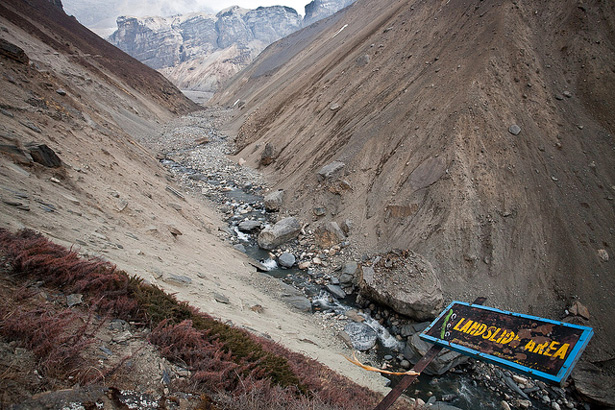
Nepal’s vulnerability to a warming climate became clear in May 2012 when the Seti River burst its banks during flash floods and landslides that killed more than 60 people. Scientists say such events are likely to become more common as the world warms, so communities need to adapt.
-
State of the Oceans 2013: Acidification, Overfishing Major Threats to Ecosystem Health
›“The rate of speed of change in the global oceans are greater than [that] of any time in known history,” said Karen Sack of the Pew Charitable Trusts, speaking at the Wilson Center on November 13. She was joined by Paul Schopf, professor of oceanography and associate dean for research and computing at George Mason University, and Libby Jewett, director of the Ocean Acidification Programs at National Oceanic and Atmospheric Administration (NOAA), to discuss the latest State of the Ocean Report. [Video Below]
Showing posts from category climate change.