-
Zero-Emission Energy for 1.3 Billion People? Scaling Up Renewable Energy in the Developing World [Part One]
›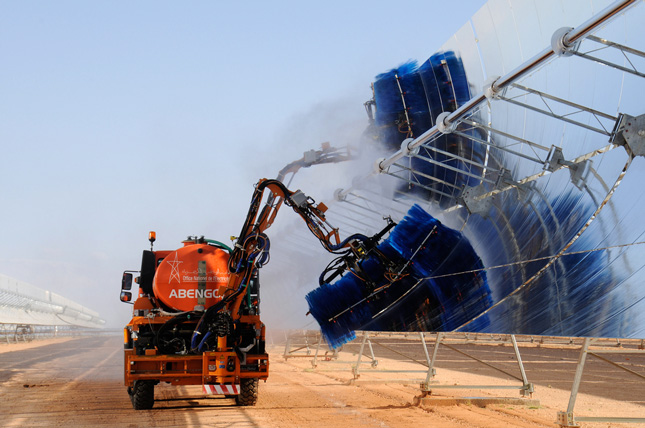
The renewable energy sector has reached a critical inflection point where costs are competitive with fossil fuels and investment is ramping up in a big way, said more than a dozen experts at a day-long conference co-hosted by ECSP and the U.S. Agency for International Development’s Office of Global Climate Change on October 27.
-
Military Leaders: Climate Change, Energy, National Security Are Inextricably Linked
›
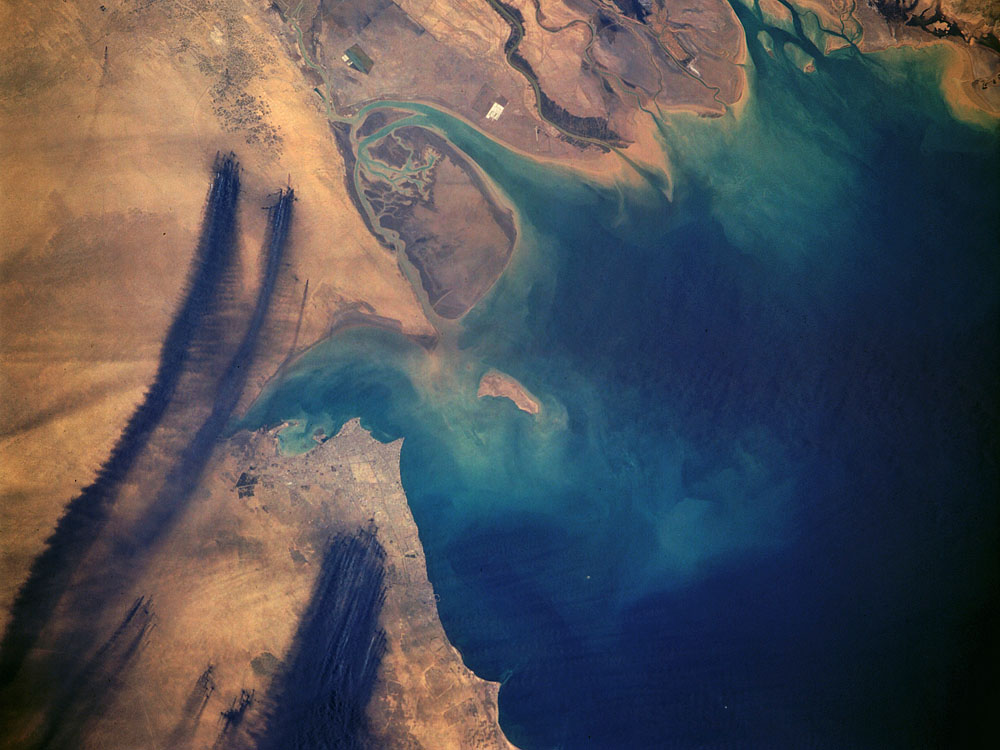
In the midst of a minefield on day two of Desert Storm Task Force Ripper, Marine Corps Operations Officer Richard Zilmer stepped out of his armored personnel carrier, squinted up at the sky, and saw nothing but black from horizon to horizon. Iraqi forces, trying desperately to blunt the attack of coalition armies, had set fire to hundreds of Kuwaiti oil wells and oil-filled trenches.
-
Finding the Path: Increasing Contraceptive Choice in Africa’s Most Populous Countries
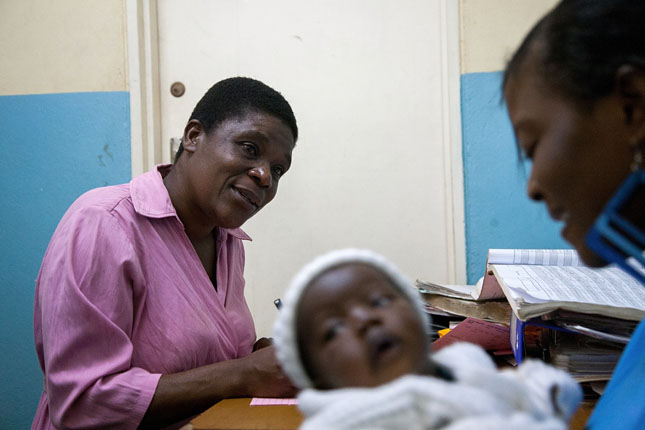
›More than 225 million women in developing countries want to avoid or delay pregnancy but are not using safe, modern, and effective contraceptive methods. Such a gap between women’s contraceptive behavior and reproductive goals is called an unmet need for family planning, and no region has more unmet need than sub-Saharan Africa. [Video Below]
-
Managing Expectations for the Paris Climate Conference and Beyond
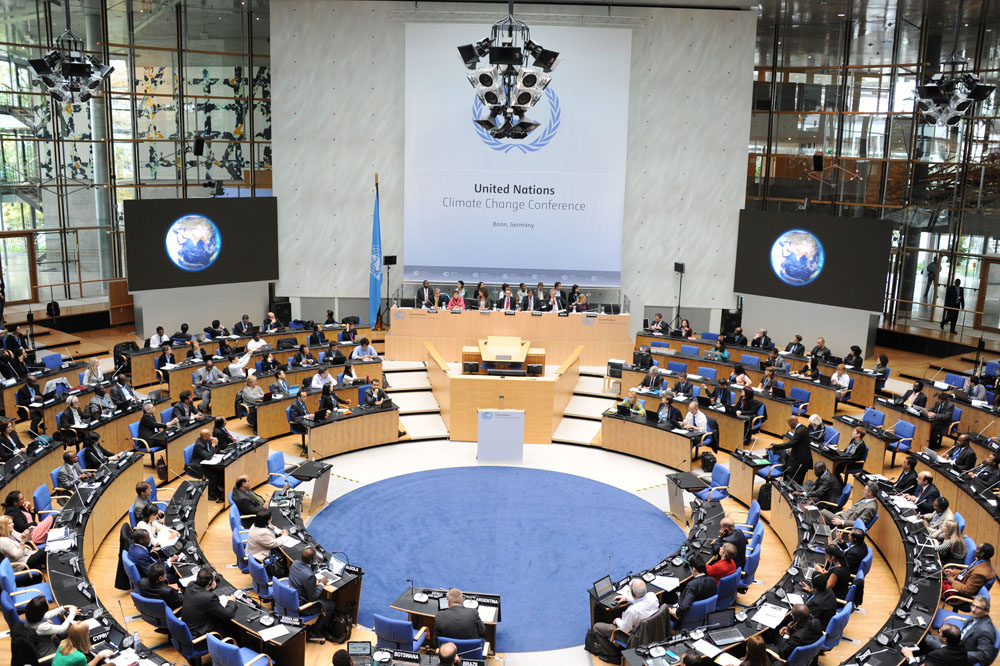
›The focus of the global community on the outcomes of the Paris Conference of Parties (COP) to the UN Framework Convention on Climate Change (UNFCCC) in December is unprecedented. The world awaits, anticipating the details of an international and legally-binding agreement to address climate change. [Video Below]
-
Climate Change Adaptation and Population Dynamics in Latin America and the Caribbean (Report)
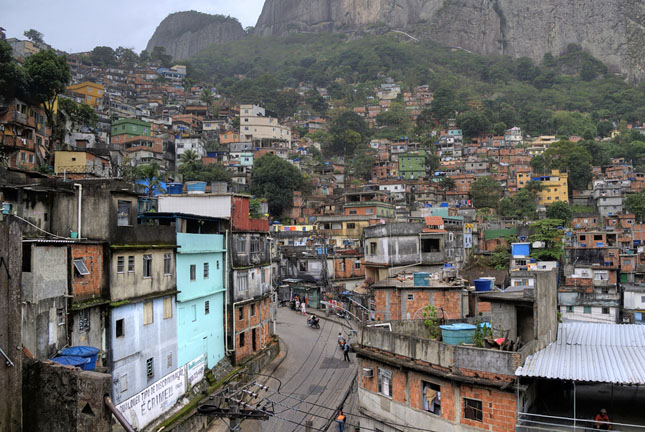
›Global climate trends indicate that our planet will continue warming into the next century, leading to more extreme climate conditions. The Latin America and Caribbean region is vulnerable to some of the most challenging aspects of climate change – sea-level rise, changes in precipitation, glacial melting, spreading of disease, and extreme weather events.
-
Pakistan’s Maternal and Child Health Problems “Huge Stumbling Block” to Development, Long-Term Security
›In the long term, improving maternal and child health is as critical to national security as any problem in Pakistan today, said a panel of experts including Minister of National Health Services Saira Afzal Tarar at the Wilson Center on September 9.
-
Tracking the Energy Titans: Hidden Trends in the United States, China, and Canada [Infographic]
›Back in high school physics we learned the first law of thermodynamics: Energy within a closed system must remain constant. In other words, the total amount of energy cannot increase or decrease without some sort of outside interference.
-
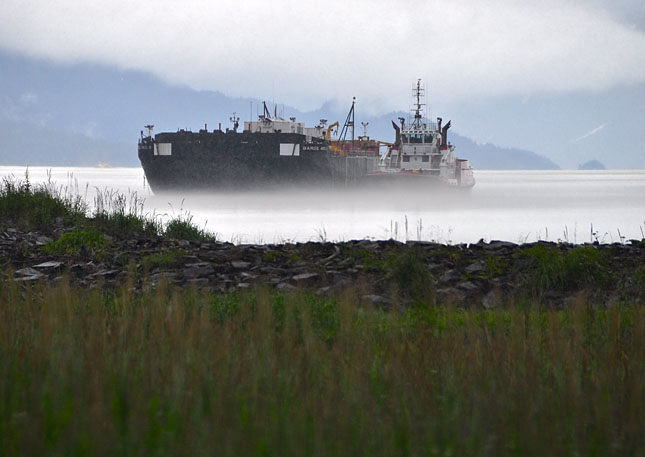
Development in U.S. and Canadian Arctic Not Only About Oil and Gas, But Providing for People
›Opportunities for research, enterprise, and exploration in the Arctic are expanding as climate change renders the northernmost reaches of the globe more accessible – and visible – than ever before. Often overlooked, however, are the people who actually live there. Four million people make their home in the resource-rich Arctic, where developers and policymakers are staking growing claims. [Video Below]
Showing posts from category From the Wilson Center.