-
Lessons From Katrina: Can Media-Citizen Collaboration Help Cities Adapt to Climate Risks?
›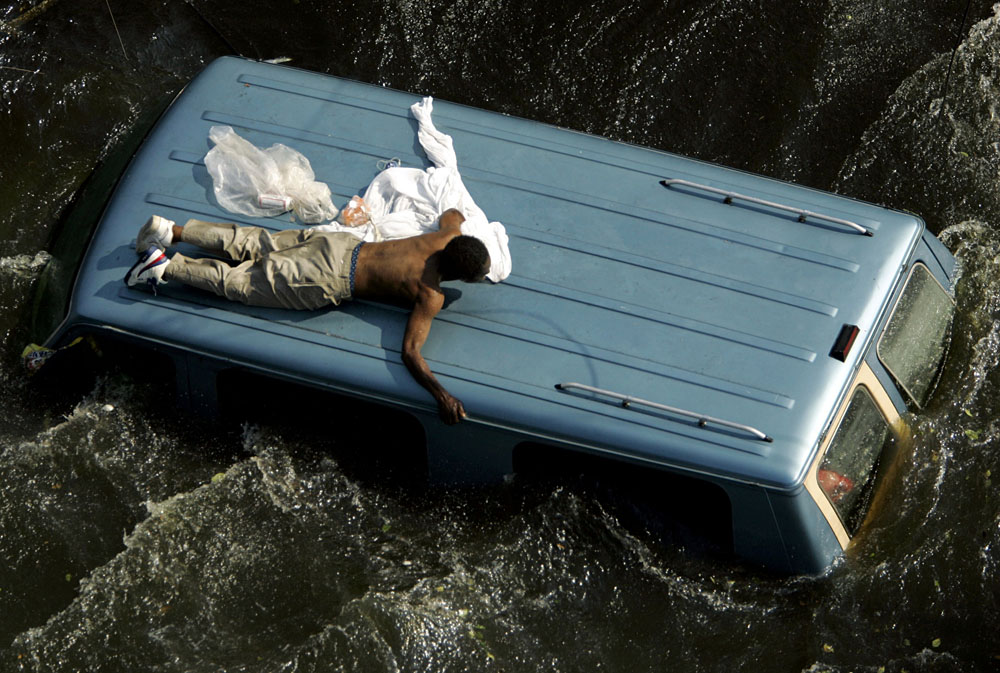
Ten years ago this month one of the United States’ deadliest and most costly storms, Hurricane Katrina, struck the Gulf Coast. In Louisiana, the storied city of New Orleans was dealt a particularly devastating blow. Hundreds died and the city suffered extensive damage as 80 percent of its neighborhoods flooded, prompting an exodus it is still recovering from.
-
Build It and They Will Come: New Approaches to Eliminating Fistula and Other Maternal Morbidities
›
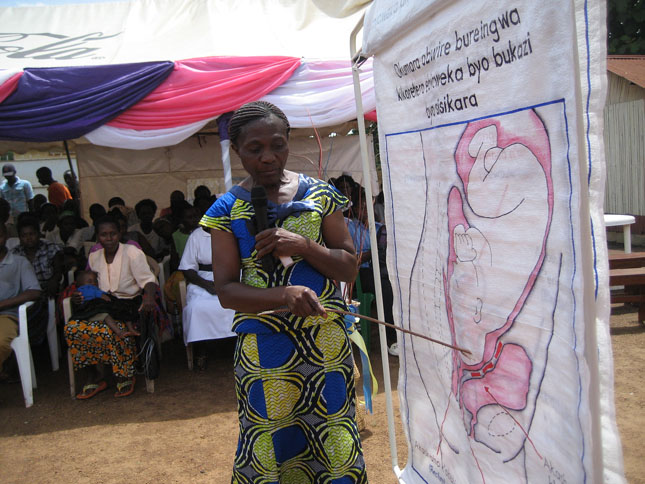
Obstetric fistula and pelvic organ prolapse are two common maternal morbidities that impact thousands of women in developing countries each year but are often overshadowed by maternal mortalities. Obstetric fistula, a hole in the birth canal caused by obstructed labor, affects between 50,000 and 100,000 women each year, mostly in developing countries. Pelvic organ prolapse, which occurs when a woman’s pelvic organs slip out of place, is 10 times more common, according to Dr. Lauri Romanzi, who spoke at the Wilson Center on July 14. [Video Below]
-
Engaging Decision-makers on Family Planning: Some Right IDEAs
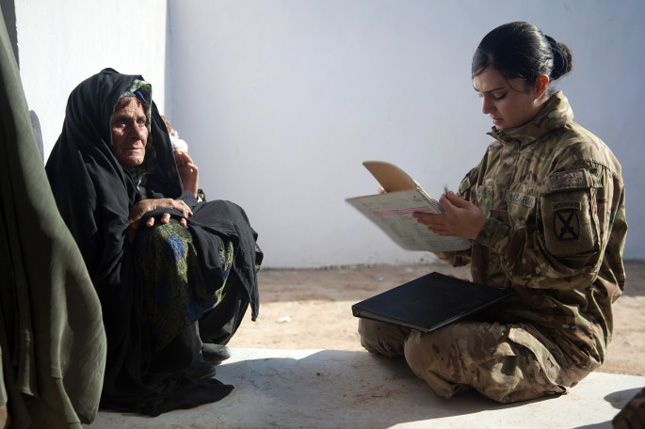
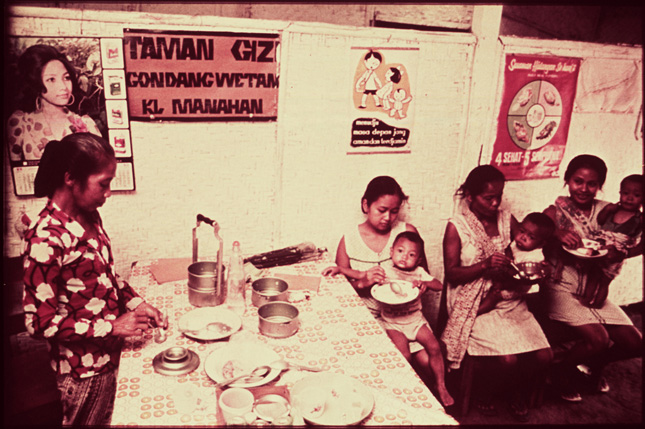
›Just a few years ago, progress on global family planning and reproductive health policy seemed to be stuck in a rut. “For 20 years, development money for health had been directed to fight HIV and poverty, and as a result, momentum, interest, and funding for family planning had dwindled,” said Susan Rich, vice president of global partnerships for the Population Reference Bureau (PRB), at the Wilson Center on July 15. “Unmet need for family planning was high all over the world, but especially in Africa.” [Video Below]
-
The Hillary Doctrine: Sex and American Foreign Policy (Book Launch)
›When Valerie Hudson evaluates the strength of a nation, whether food security, wealth, peacefulness, or quality of governance, she finds one important thread that underlies it all. “One of the most important factors in the determination of these things is in fact the situation, and security, and status of women,” said Hudson at the Wilson Center on June 24. [Video Below]
-
50 Years of Family Planning at USAID: Successes, Political Challenges, and Future Directions
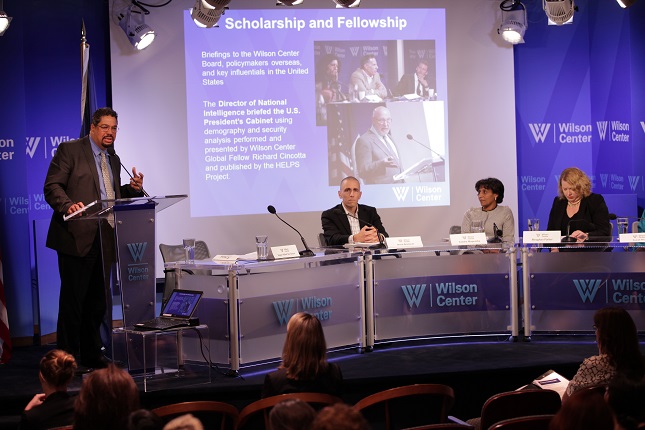
›Since President Lyndon B. Johnson created the USAID population program in 1965, it has evolved in tandem with the global discourse on population and demography. “The agency’s family planning program is as relevant today as it ever was, and is necessary,” said Jennifer Adams, deputy assistant administrator of the U.S. Agency of International Development’s Bureau for Global Health. The bureau houses the Office of Population and Reproductive Health, which implements U.S. development and relief efforts to expand access to modern contraceptives, fight HIV/AIDS, reduce unsafe abortions, and protect the health of women and children. [Video Below]
-
A New Climate for Peace: Taking Action on Climate and Fragility Risks (Report Launch)
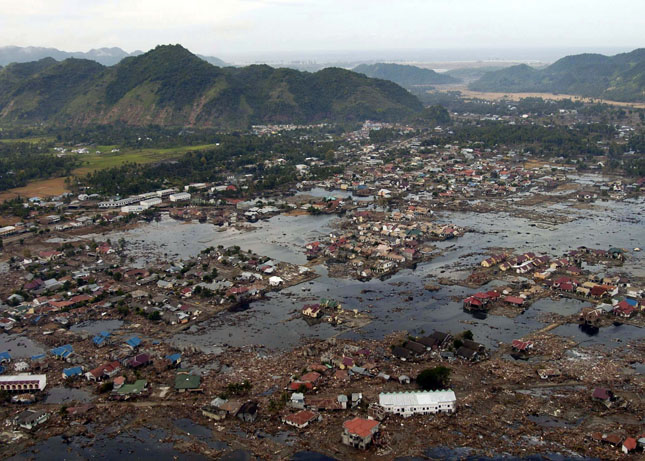
›As momentum builds towards the negotiation of the Sustainable Development Goals and UN climate change summit later this year, the G7 countries – France, Germany, Italy, Japan, Canada, the UK, and the United States – have made a strong statement about the importance of climate security risks. A New Climate for Peace: Taking Action on Climate and Fragility Risks, an independent report commissioned by G7 foreign ministers and authored by a consortium of international organizations including the Wilson Center, analyzes the security and stability risks posed by climate change and offers concrete policy options for addressing them. [Video Below]
-
A Nuclear Deal Could Help Iran Harness a Youthful Labor Force
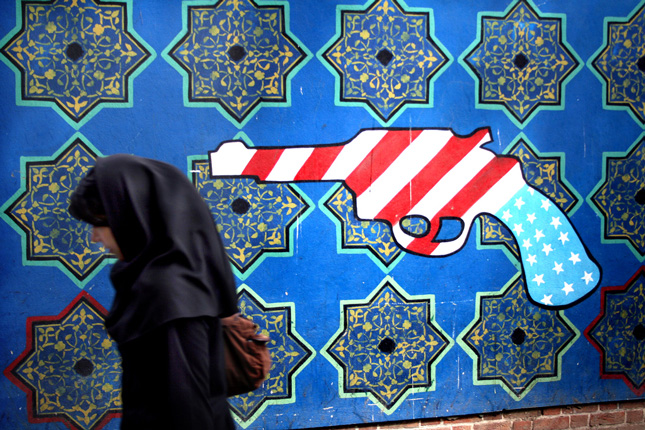
›Iran is poised to reap a vast “demographic dividend” if the appropriate national and international policies are adopted, including a nuclear deal with the P5+1 (five permanent members of the UN Security Council, plus Germany).
-
Adapting to Global Change: Climate Displacement, Mega-Disasters, and the Next Generation of Leaders
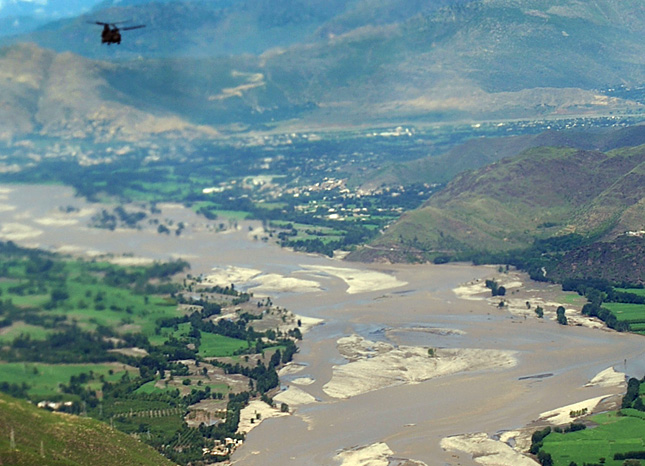
›The world is more connected than ever before, but also more complex. Big, transnational trends like climate change, urbanization, and migration are changing the calculus of geopolitics, while local-level inequalities persist. “[Change] seems to be spinning around us so fast,” said John Hempelmann, president of the Henry M. Jackson Foundation, which honors the legacy of the late senator from Washington State. How can today’s and tomorrow’s leaders adjust to global trends? [Video Below]
Showing posts from category From the Wilson Center.