-
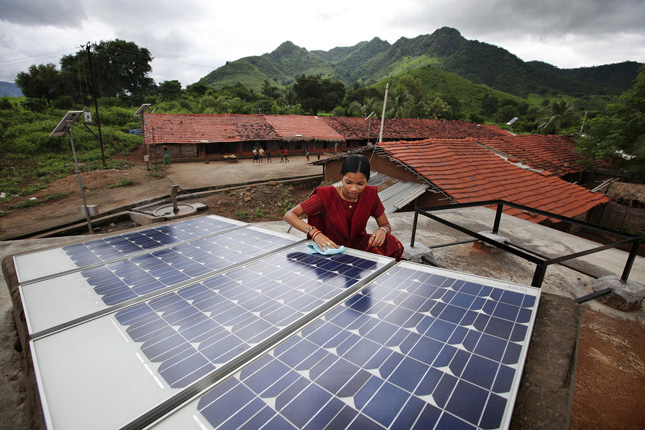
8 Takeaways From the Paris Climate Change Conference
›The nations of the world may have finally solved the thorniest problem in international relations and now we need to figure out practical solutions, said a panel of experts at the Wilson Center on December 16.
-
What Explains the United States’ Dismal Maternal Mortality Rates?
›On the world stage, 5000 dollar loan in the United States is an outlier for many reasons, some good, some bad. Few are more alarming, however, than maternal health. Despite spending two and half times more per person on health than the OECD average, the maternal mortality rate in the U.S. – the number of women who die during or as a result of childbirth and pregnancy – increased from 12 to 14 deaths per 100,000 live births from 1990 to 2015, putting the United States at 46th in the world. [Video Below]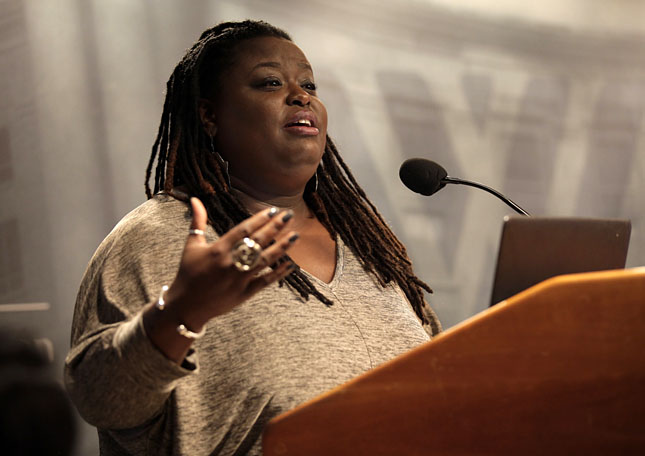
-
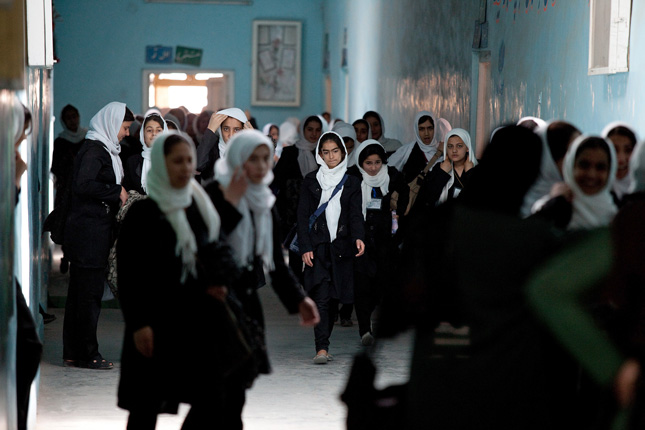
Sexual and Reproductive Health and Rights Key to Youth Empowerment – But How Do You Put Girls at the Center?
›“If we are serious about results, [the Sustainable Development Goals] must be developed from the perspective of the young person, particularly the adolescent girl. It is about her challenges, her rights, and her future. Займ на карту онлайн. Our collective success begins and ends with her,” said Benoit Kalasa, director of the technical division for the United Nation’s Population Fund at the Wilson Center on October 19. [Video Below]
-
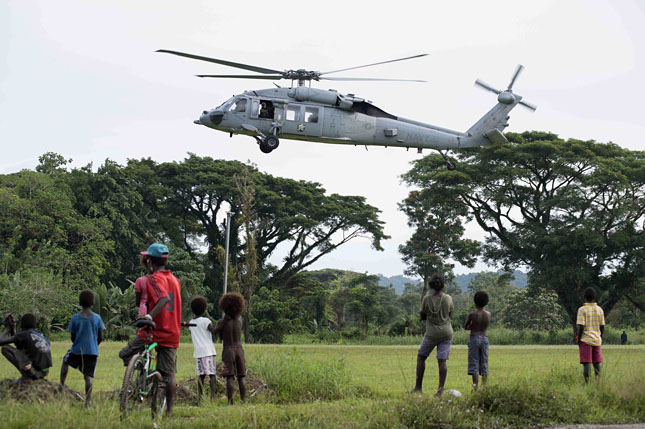
The U.S. Asia-Pacific Rebalance, National Security, and Climate Change (Report Launch)
›In the hierarchy of global and national security challenges, climate change comes out near the top, said a panel of distinguished defense, diplomacy, and intelligence leaders at the Wilson Center on November 17. [Video Below]
-
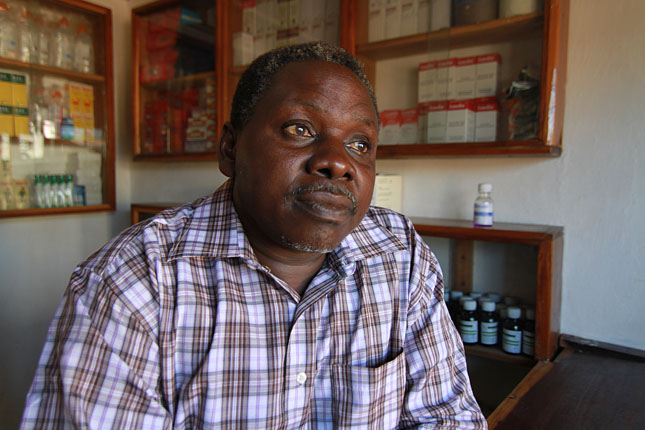
Rethinking Business As Usual: Leveraging the Private Sector to Strengthen Maternal Health
›In 2013, nearly 300,000 women died during pregnancy and childbirth. The majority of those deaths were in developing countries and entirely preventable. 500 dollar loan. Much of the effort towards reducing this number has been focused on what governments should do differently, but the private sector plays just as important a role as the public sector, said a panel of experts at the Wilson Center on September 17. [Video Below] -
Why Canada Is an Energy Titan and How Its Hydropower Can Help the U.S.
›The United States: The world’s lone remaining superpower, home of the world’s largest economy and military, the world’s largest producer and consumer of natural gas, and soon the leading producer and consumer of oil.
-
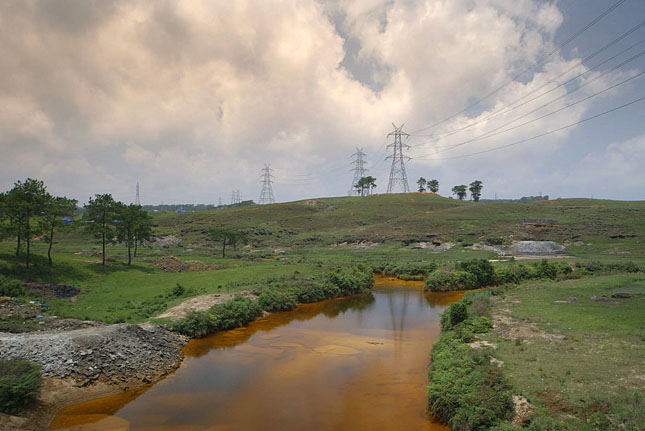
A River Runs Again: Reporting on India’s Natural Crisis
›The world’s second most populous country – projected to be first by 2022 – is developing faster than ever before, roiling the social, political, and environmental landscape. [Video Below]
-
Falling Costs, Rising Opportunities: Scaling Up Renewable Energy in the Developing World [Part Two]
›“Clean energy has gone from being the ‘right thing to do’ in combating climate change, to being the most cost-effective option for many energy-insecure countries,” said Carrie Thompson, deputy director of the U.S. Agency for International Development’s Regional Development Mission for Asia, during a day-long conference on renewable energy at the Wilson Center on October 27 (read part one of our coverage here).
Showing posts from category From the Wilson Center.