-
The Care Economy is the Backbone of the Economy
›
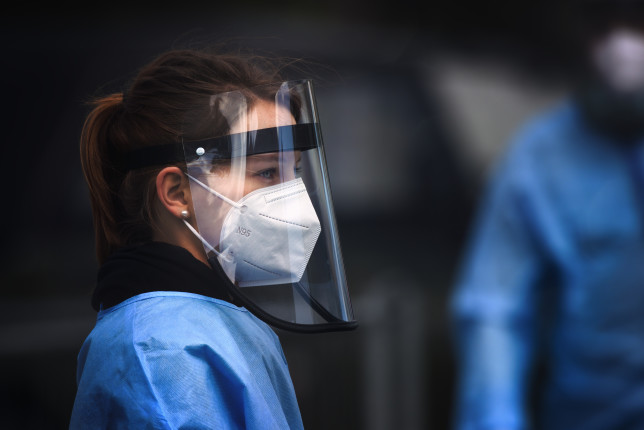
“Pandemic recovery plans cannot simply work to bring economies back to their pre-COVID status,” said Katrina Fotovat, Senior Official in the Office of Global Women’s Issues at the U.S. Department of State. She spoke at a recent event hosted by the Wilson Center’s Maternal Health Initiative and Middle East Project in collaboration with EMD Serono, the healthcare business of Merck KGaA, Darmstadt, Germany, on recognizing women’s paid and unpaid work during COVID-19 recovery. Economic recovery plans must include the most undervalued industries and marginalized workers, especially women, she said.
-
Women’s Work is Essential and Undervalued During the COVID-19 Pandemic
›
“Nearly 70 percent of the lowest wage workers in the United States are women,” said Nicole Berner, General Counsel to the Service Employees International Union (SEIU) at a recent event on the COVID-19 pandemic’s impact on women and essential workers, hosted by the Global Institute for Women’s Leadership.
-
Suicide and Overdose: The Leading Causes of Death for New Mothers
›A new movie — A Mouthful of Air – was released in 800 theaters around the country on Friday, October 29. SPOILER ALERT: The storyline is about maternal depression and suicide.
This is an excellent example of art meeting life.
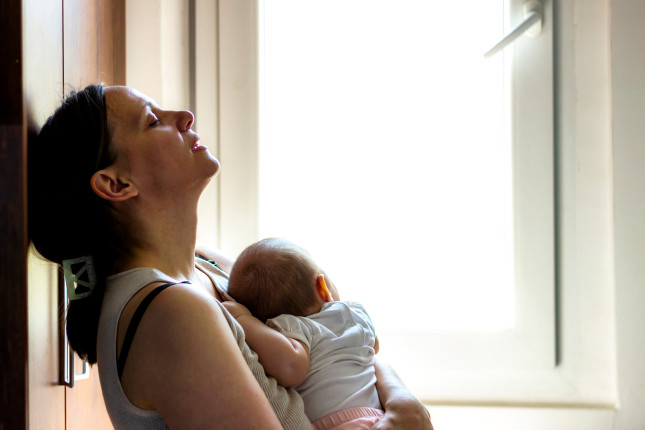
Mental health conditions – primarily anxiety and depression – are the most common complications of pregnancy and childbirth, affecting 1 in 5 pregnant or postpartum parents. Tragically, suicide and overdose are the leading causes of death for women in the first year following pregnancy.
-
Seeing and Hearing Mothers: Uncovering Poor Perinatal Mental Health
›Globally, 15 to 20 percent of women experience a perinatal mental health condition, said Sarah Barnes, Project Director of the Maternal Health Initiative at a recent event, held in partnership with the United Nations Population Fund (UNFPA), on mental health support for mothers in the perinatal period. Women are more likely to develop anxiety or depression in the year after giving birth than in any other time in their lives, with suicide and overdose the leading causes of death in the first year postpartum. “And yet, the prevention, early recognition, and treatment of perinatal mental health conditions is a challenge for many, if not most, healthcare systems across the world,” said Barnes.
-
Mental Health Conditions: U.S. Policies and Practice to Address the Most Common Complication of Pregnancy and Childbirth
›Maternal mental health (MMH) conditions are the most common complication of pregnancy and childbirth, affecting 1 in 5 women or childbearing individuals (800,000 U.S. families each year). Recent studies show that suicide and overdose combined are the leading cause of death for mothers in the first year postpartum, contributing to the distressingly high maternal mortality rate in the United States. Sadly, 75 percent of those experiencing MMH conditions go untreated, increasing the risk of multigenerational, long-term negative impacts on the physical, emotional, and developmental health of both the mother and child. The COVID-19 pandemic has fueled a three-fold increase in the number of pregnant women and new mothers experiencing MMH conditions. Women of color are disproportionately impacted by both the pandemic and MMH conditions, experiencing both at rates 2-3 times higher than white women.
-
Mental Health Conditions Are the Most Common Complication of Pregnancy and Childbirth
›Having a new baby should be the happiest time in a family’s life.
But it doesn’t always work out that way.
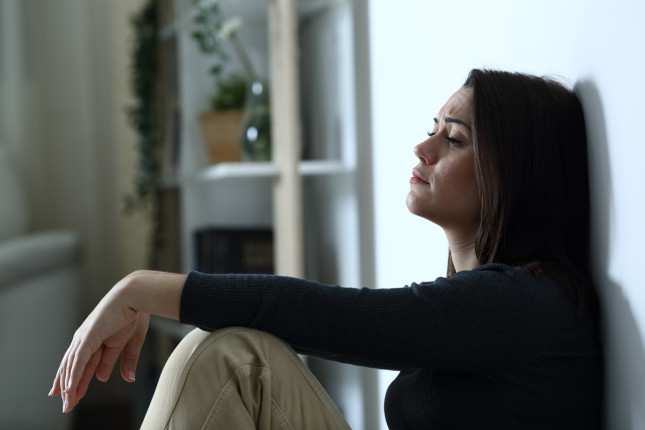
During pregnancy or the first year following pregnancy, 1 in 5 women or childbearing people will experience anxiety or depression. In fact, mental health issues are the most common complication of pregnancy and childbirth, turning joy into sadness, loneliness, confusion, regret, and guilt.
I experienced postpartum depression and anxiety after my son was born 20 years ago. We had a very scary emergency C-section. He refused to take a bottle, and I was exhausted and overwhelmed as I struggled to care for a newborn and a toddler. I told my husband I wanted a divorce and ran away from home, truly believing my family would be better off without me. It took almost six months to find the help I needed.
-
Localized Responses to Gender-Based Violence Leave Women-led Organizations Behind
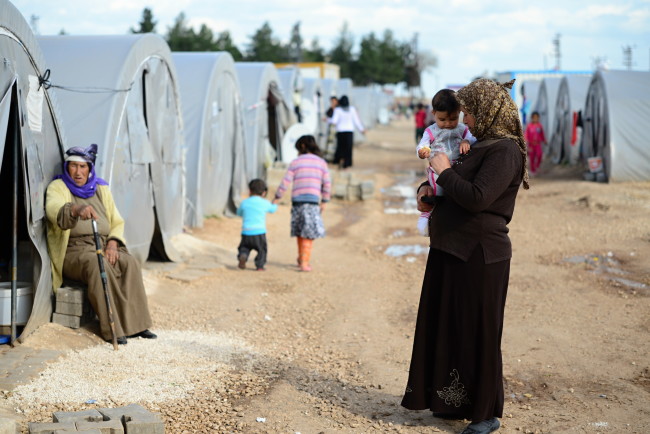
›One in five women who is forcibly displaced will experience sexual violence, said Charlotte Slente, Danish Refugee Council Secretary-General at a roundtable on the prevention of gender-based violence in humanitarian crises during the 76th session of the United Nations General Assembly. The high-level roundtable was hosted by the Government of Denmark in partnership with several other international bilateral agencies, as well as women-led organizations.*
-
COVID-19 Vaccine Has No Demonstrated Impact on Miscarriage Rates in the United States, Research Shows
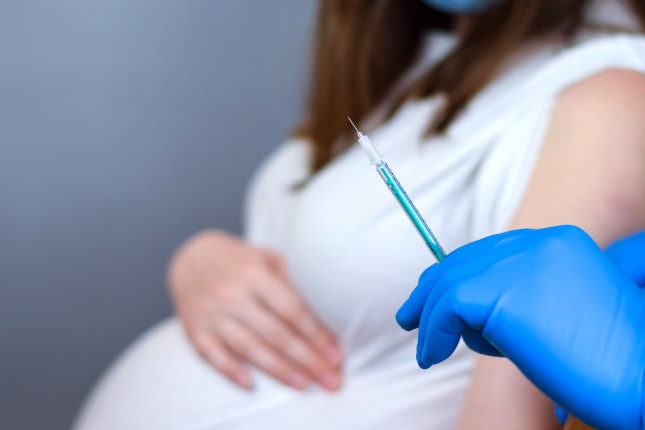
›COVID-19 continues to pose a high risk to pregnant people who contract the virus. Despite this concern, hesitancy surrounding the safety of the COVID-19 vaccine during pregnancy remains, write the authors of a preprint article on COVID-19 vaccines and pregnancy outcomes. As COVID-19 vaccines become more widely available, some have raised concerns regarding potential links between receiving a COVID-19 vaccine and experiencing miscarriage (also known as spontaneous abortion), and other adverse outcomes. However, miscarriage is a common occurrence – around 10 to 15 percent of all pregnancies in the United States end in miscarriage – and multiple studies have found no increase in miscarriage in persons who received a COVID-19 vaccine.
Showing posts from category Dot-Mom.