-
Respectful Maternity Care and Maternal Mental Health are Inextricably Linked
›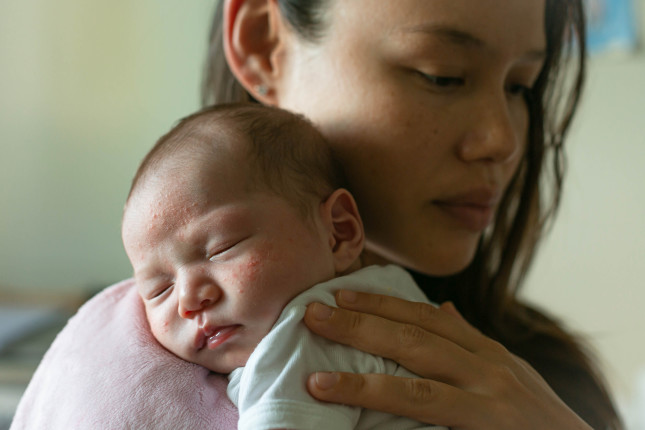
A positive birth experience is not a luxury, but a necessity, said Hedieh Mehrtash, consultant for the Department of Sexual and Reproductive Health and Research at the World Health Organization (WHO), at a panel during the Maternal Mental Health Technical Consultation hosted by the United States Agency for International Development’s (USAID) MOMENTUM Country and Global Leadership, in collaboration with WHO and the United Nations Population Fund.
-
Afghans that Remain Are in Dire Need of Humanitarian Support
›
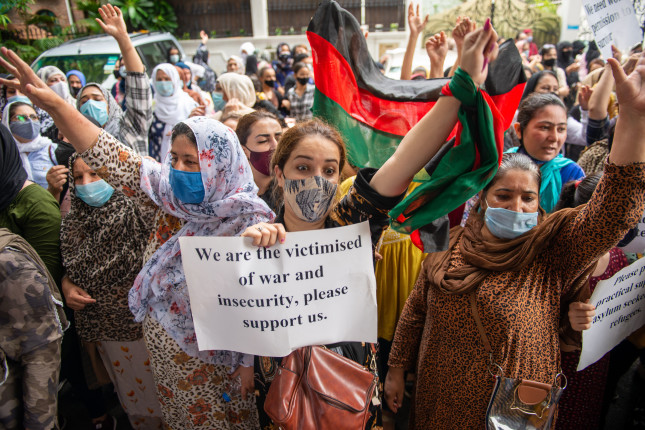
Although large-scale evacuation efforts have dominated international attention, evacuation is only an option for a “tiny fraction” of the Afghan population, said Vicki Aken, Country Director for Afghanistan at the International Rescue Committee, at a congressional briefing hosted by the Tom Lantos Human Rights Commission. The briefing was focused on the evolving humanitarian situation in Afghanistan and the need for civil protection in the country. “More than 40 million Afghans will remain in Afghanistan,” said Aken. “And half of them already face critical humanitarian needs.”
-
Misconceptions on Miscarriage – The Dangers of Cultural Silence
›In the United States, approximately 10 to 15 percent of known pregnancies end in miscarriage. But this doesn’t capture the full picture. In reality, studies show that as many as half of all pregnancies may end in miscarriage, with the vast majority occurring before people realize they are pregnant. A miscarriage is defined as pregnancy loss before 20 weeks gestation. While some health conditions such as autoimmune disorders, polycystic ovary syndrome (PCOS), and diabetes can exacerbate the risk of having a miscarriage, the exact causes of pregnancy loss are largely unknown.
-
No Vaccine to End the Shadow Pandemic of Gender-Based Violence
›“Addressing gender equity and equality is essential to every other challenge we face,” said U.S. Vice President Kamala Harris in a recent speech at the Generation Equality Forum. Following the forum, countries across Francophone Africa made key commitments to end gender-based violence (GBV), including child marriage.
-
Understanding Hesitancy for Childhood Vaccines in Nigeria – It’s Not Just About COVID-19
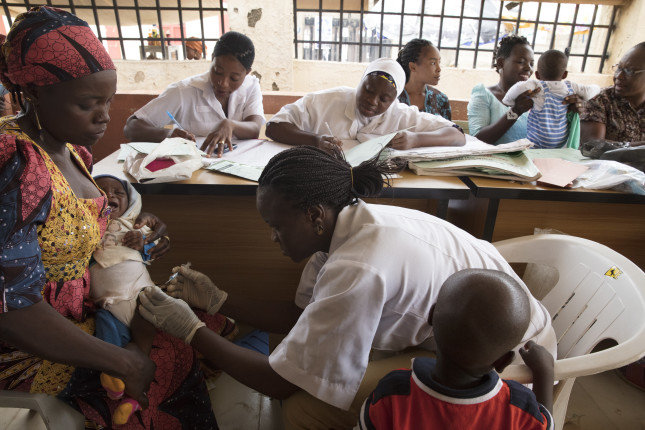
›Vaccination hesitancy, even in the midst of a global pandemic, is a major barrier to the elimination of several highly contagious and deadly diseases. While COVID-19 vaccines are getting the most attention, they are not the only vaccines that protect against deadly contagious diseases. And as with the COVID-19 vaccines, around the world, many communities are insufficiently covered by vaccines—particularly children. This is especially true in West Africa, where—though improving—childhood immunization rates still lag behind much of the world. To explore reasons for these persistent low childhood immunization rates, Breakthrough RESEARCH, a USAID-funded project that works to expand the evidence base for social and behavior change programming, increase healthy behaviors, and enable positive social norms through improved social and behavior change programming, conducted a study to look at behavioral drivers of decision-making about vaccines in Nigeria.
-
Empowered Aid: New Toolkit Helps Detect and Prevent Sexual Exploitation and Abuse in Humanitarian Assistance
›Seventy-three percent of women and girls receiving aid at one food program in Uganda reported being afraid during at least one point in the distribution process, said Hope Harriet, Empowered Aid Research Manager. Harriet spoke at the launch event for Empowered Aid’s Toolkit for Planning and Monitoring Safer Aid Distributions. Empowered Aid is a participatory action research project focused on addressing sexual exploitation and abuse (SEA) in humanitarian settings and aid distribution. The project is led by the Global Women’s Institute (GWI) in partnership with CARE, the Union of Relief and Development Associations, the International Rescue Committee, and World Vision.
-
Engaging Marginalized Groups is Essential to Achieving Universal Health Coverage
›Too often, many in my community are excluded from sexual and reproductive health services, said Ruth Morgan Thomas, co-founder and Global Coordinator of the Global Network of Sex Work Projects, in today’s episode of Friday Podcasts. This episode features highlights from a recent Wilson Center and UNFPA event where Thomas and Zandile Simelane, an HIV Youth Advocate from Eswatini, address the barriers that their respective communities—sex workers and HIV positive youth—face in accessing sexual and reproductive health (SRH) services and universal health coverage (UHC). -
A New Generation of Family Caregivers Emerges During the Pandemic
›The population of unpaid family caregivers is shifting, and the pandemic has accelerated that change. One in five carers became caregivers for the first time during the pandemic, according to the Embracing Carers Global Carer Well Being Index®. A disproportionate share of these new carers were Gen Z or millennial (less than 38 years old). And 25 percent were caring for children and a sick/aging parent or grandparent.
Showing posts from category Dot-Mom.

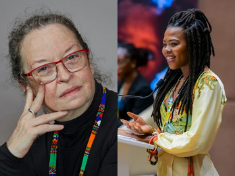 Too often, many in my community are excluded from sexual and reproductive health services, said Ruth Morgan Thomas, co-founder and Global Coordinator of the