-
Integrating Leadership Skills in Cervical Cancer Prevention Efforts
›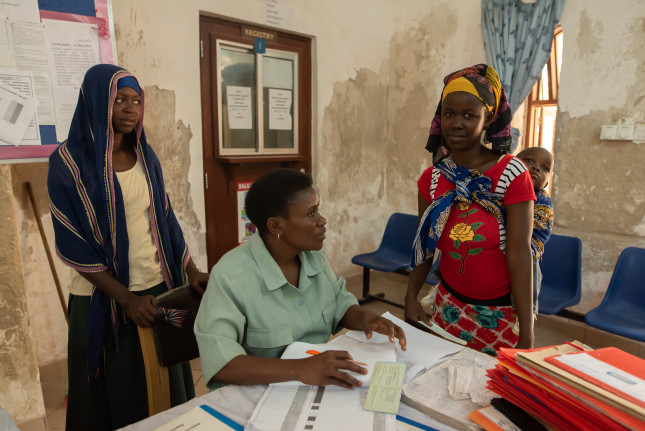
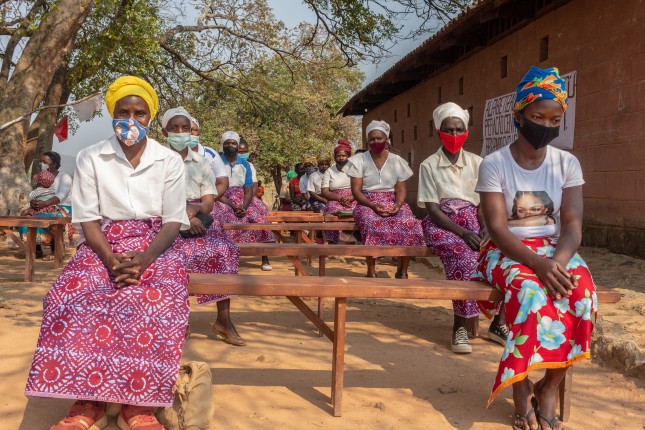
With a high burden of cervical cancer in Tanzania, we are advocating for the government’s parliament to prioritize cervical cancer prevention in its annual budget, said Dr. Safina Yuma, a Reproductive Cancer Coordinator at the Ministry of Health, Tanzania, at a recent event hosted by TogetHER for Health on cervical cancer leadership in recognition of cervical cancer awareness month. At least 270,000 women die globally from cervical cancer each year and in Tanzania, it is a leading cause of death, taking the lives of approximately 4,200 women annually. However, cervical cancer is 90 percent preventable with appropriate prevention strategies such as human papillomavirus (HPV) vaccinations and screenings. Expert leaders from NJIA, a leadership development program for practitioners working in cervical cancer research and prevention, discussed strategies for improving collaboration and leadership within the medical profession to reduce avoidable deaths.
-
Has Maternal Mortality Risen During the COVID-19 Pandemic? The Need For More Data
›
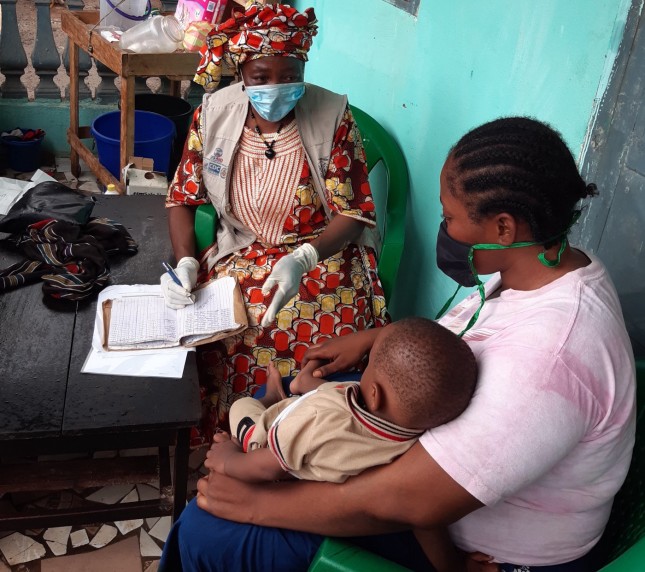
Since its onset, the impact of the COVID-19 pandemic on maternal mortality has been a question of great concern. And yet, few empirical attempts have been made to capture the potentially profound impact of the pandemic on maternal deaths, particularly in resource-limited settings.
-
The First-Ever White House Maternal Health Day of Action – Access to Care is Critical
›“Regardless of income level, regardless of education level, Black women, Native women, women who live in rural areas are more likely to die or be left scared or scarred from an experience that should be safe and should be a joyful one; and we know a primary reason why this is true – systemic inequities,” said Vice President Kamala Harris during her opening remarks at the first-ever White House Maternal Health Call to Action Summit on December 7, 2021. Members of Congress and maternal health advocates gathered to discuss the importance of addressing racial disparities and systemic challenges in maternal health through national policy.
-
Caring for Those Who Give Care: How COVID-19 Created a Crisis for Caregivers
›“We’re always coping with a change,” said Denise Brown, Founder of the Caregiving Years Training Academy and a caregiver for her elderly parents. “And the change is often outside of our control.” She spoke at a recent event focused on the caregiving crisis, hosted by EMD Serono, the healthcare business of Merck KGaA, Darmstadt, Germany in the United States and Canada. When the doors to daycares, elder day residences, and adult care facilities closed at the start of the COVID-19 pandemic, many Americans had to step into caregiving roles. “We’re doing our best to manage the change and keep going,” said Brown. “Because so many people rely on us and depend on us, we have to keep going.”
-
Through the COVID-19 Lens: Essential Services Needed to Prevent Unintended Pregnancies
›“The current pandemic is straining human resources, disrupting supply chains and service delivery, and negatively impacting service seeking among women and girls in countries across the globe,” said Sarah Barnes, Project Director of the Wilson Center’s Maternal Health Initiative. She spoke at a recent event, co-hosted by the UN Population Fund (UNFPA), on unintended pregnancies during the COVID-19 pandemic. The increasing rates of unintended pregnancies during the pandemic have exacerbated the vulnerabilities of many women, said Anneka Knutsson, Chief of the Sexual and Reproductive Health Branch at UNFPA.
-
Accessing Justice for Gender-Based Violence in Humanitarian Settings
›Gender-based violence (GBV) is a global epidemic rooted in gender inequality and an imbalance in power dynamics. All persons are at risk of violence because of their gender or perceived gender. Women and girls—including transgender women and girls—experience disproportionate gender-based violence, and this violence is even more prevalent among women and girls who have been forcibly displaced.
-
16DaysCampaign Calls to End Femicide: Research Shows Women in Perinatal Period at Risk
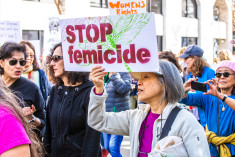
›“Femicide is an important, but often unreported, cause of maternal mortality. This research documents the immediate need for universal abuse assessment of all pregnant women,” write the authors of the self-declared first study to report a definite link between abuse during pregnancy and attempted/completed femicide—the gender related killing of women. This study was published in 2002.
-
COVID-19 Pandemic Exacerbates Violence Against Refugee Women and Girls
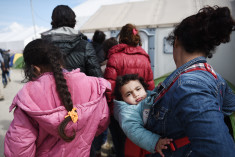
›Currently, refugee women and girls are facing three concurrent crises: their ongoing humanitarian crisis, the health crisis of the COVID-19 pandemic, and the invisible crisis of gender-based violence (GBV). COVID-19 has severely worsened various dimensions of inequality for refugee women and girls. A 2020 report found that 73 percent of forcibly displaced women interviewed across 15 African countries reported elevated cases of domestic or intimate partner violence due to the pandemic. In addition, 51 percent reported sexual violence and 32 percent observed a rise in early and forced marriages.
Showing posts from category Dot-Mom.