-
Ukrainian Resilience: Ukrainian MP Kira Rudik Discusses Surviving in Kyiv [New Video]
›
When Kira Rudik, Ukrainian Member of Parliament and Leader of the Holos/Voice Party spoke with the Wilson Center’s Maternal Health Initiative and Middle East Program on the one month anniversary of Russia’s invasion of Ukraine, she emphasized the transformative nature of the conflict for every citizen.
“Putin thought he would be fighting our army,” says Rudik. “Instead, he’s fighting every single man and woman in Ukraine, and there’s a huge difference.”
-
Making Room at the Table for Businesswomen in Jordan: A Conversation with Reem Badran
› “People told me it was only for men,” says Reem Badran, Founder & CEO of Al Hurra for Management and Business Development and former member of the Jordanian House of Representatives, when speaking about her decision to run for the Amman Chamber of Commerce in the latest episode of the Riyada podcast from the Wilson Center’s Middle East Program. Badran is a Jordanian trailblazer and was recently named One of the World’s Most Successful Women in Business by the International Women’s Entrepreneurial Challenge Foundation in New York. In 2009, she became the first woman elected to the board of Amman’s Chamber of Commerce since its establishment in 1923. To this day, she remains the only woman to be elected to this post. “In our community [and] region, it is not easy for women to be able to penetrate the business community. It takes a while for people to believe in a woman and that she can have a successful business.”
 -
Break the Bias: Breaking Barriers to Women’s Global Health Leadership
›We need to ensure that diversity is shaping and influencing global health decision-making and this is what we mean when we call for gender transformative leaders, said Dr. Roopa Dhatt, Executive Director of Women in Global Health, at an International Women’s Day event hosted by Women in Global Health to launch the first-ever book on women’s leadership in global health. “We’re calling for diverse leadership with intersectionality looking at transforming power and really making sure we’re going to the root drivers of inequities and driving systems change,” said Dr. Dhatt. Some 28 authors and 11 interviewees from 17 countries across 6 regions came together to write this rallying call to redress gender inequity in health leadership. Women and Global Health Leadership: Power and Transformation explores barriers and facilitators to women’s global health leadership; showcases the personal, professional, and political journeys of women leaders across global health sectors including government, academia, and civil society; and offers pragmatic solutions to increasing women’s representation at all levels of leadership, said Dr. Rosemary Morgan, Associate Scientist at the Johns Hopkins Bloomberg School of Public Health.
-
Raising Momentum for Integrating Respectful Maternity Care in Humanitarian Settings
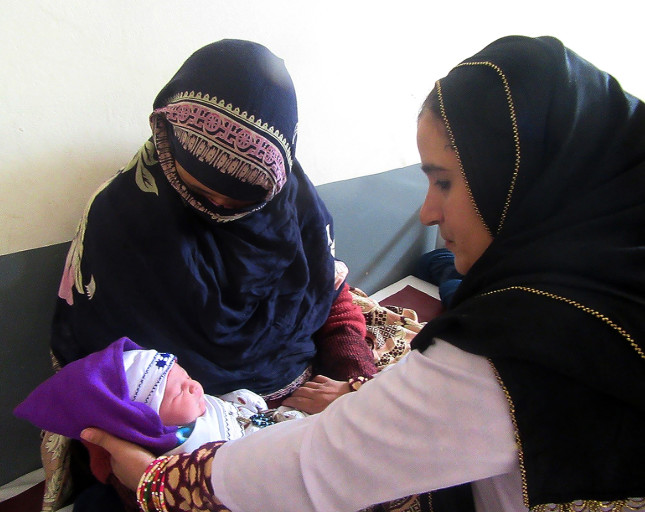
›Greater than one third of all women experience mistreatment during facility-based childbirth. Mistreatment, particularly in humanitarian settings, may include verbal or physical abuse, poor patient-provider rapport, a lack of information about maternal and newborn health (MNH) services for both pregnant women and providers, lack of privacy within facilities, challenges with receiving informed consent from women for medical procedures due to language and cultural barriers, and denied or delayed care. Such mistreatment can stem from historical tensions between populations seeking care and health workers (both foreign and local) as well as systemic mistreatment of providers who are burned out and possibly carry their own biases. Evidence shows that some women delay seeking care, or avoid care entirely because of social fears stemming from negative stigma or negative perceptions of their situation.
-
The Lasting Effects of the COVID-19 Pandemic on Women’s Work, Health, and Safety (New Report)
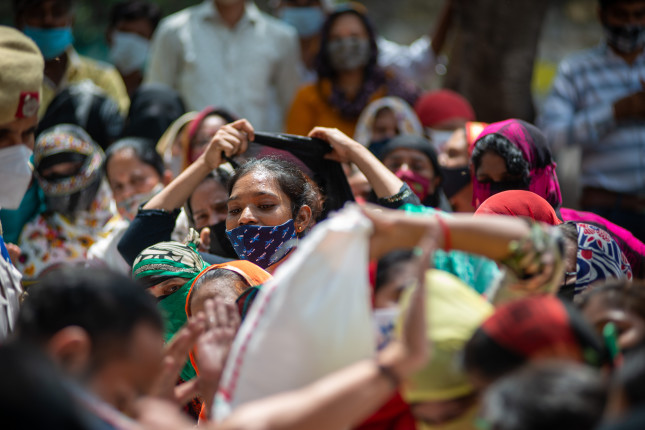
›While the COVID-19 pandemic has affected the lives of many around the world, its effects on women have been particularly devastating. Even before the pandemic, women are highly affected by violence. Since the pandemic, rates of gender-based violence have risen, while uptake of critical health services have decreased. Women, especially low-income women, women of color, and migrant women, are also more likely to work in jobs that are underpaid, undervalued, and unprotected, and they comprise the majority of the frontline or “essential” workforce, which includes grocery and food retail workers, health care workers, and care workers.
-
Sex Workers Face Heightened Risks during the COVID-19 Pandemic
›“The COVID-19 pandemic has amplified pre-existing inequalities and vulnerabilities,” writes the United Nations Population Fund (UNFPA) in a recent report on the impact of COVID-19 on sex workers in East and Southern Africa. The pandemic has had an impact on people in marginalized communities around the world, but for sex workers globally, “the impact on livelihoods, human rights and health has been devastating, leaving many struggling to survive,” states the report.
-
No Progress Without Quality: Why Quality of Care Matters
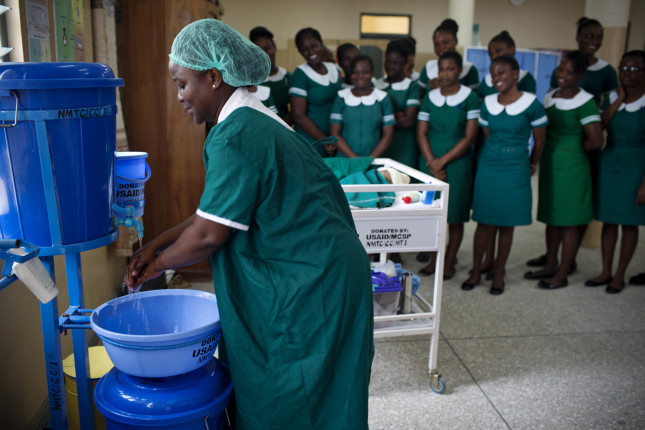
›Evidence shows that in low- and middle-income countries, the expansion of health coverage or access to care has not always reduced overall mortality, said Dr. Patricia Jodrey, Child Health Team Lead in the Office of Maternal and Child Health and Nutrition at the U.S. Agency for International Development (USAID). “However, the analysis also showed that when countries have progressed in improving the quality of their health systems, the survival rate tends to improve,” she said.
-
COVID-19 Costs: Declining Maternal and Child Nutrition in Low-and Middle-Income Countries
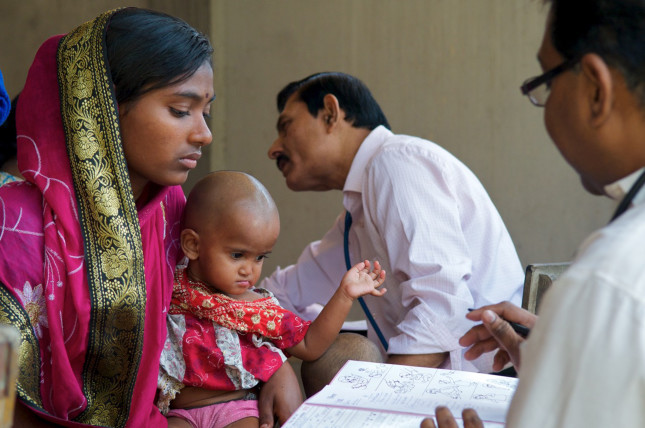
›“The pandemic and related global economic recession are severe setbacks to already insufficient progress towards meeting the global nutrition targets set for 2025 for stunting, wasting, maternal anemia and breastfeeding,” write the authors of a 2021 study examining the effects of COVID-19 on child and maternal health and nutrition. Adequate nutrition in the perinatal period is essential for healthy mothers and babies, and COVID-19-induced poverty and disruptions to global supply chains have compromised the food security of people around the world, mostly in low-to-middle-income countries (LMICs).
Showing posts from category Dot-Mom.
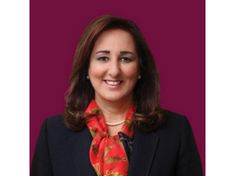 “People told me it was only for men,” says Reem Badran, Founder & CEO of Al Hurra for Management and Business Development and former member of the Jordanian House of Representatives, when speaking about her decision to run for the Amman Chamber of Commerce in the