-
Fossil Fuel Boom Rewiring North America’s Energy Infrastructure
›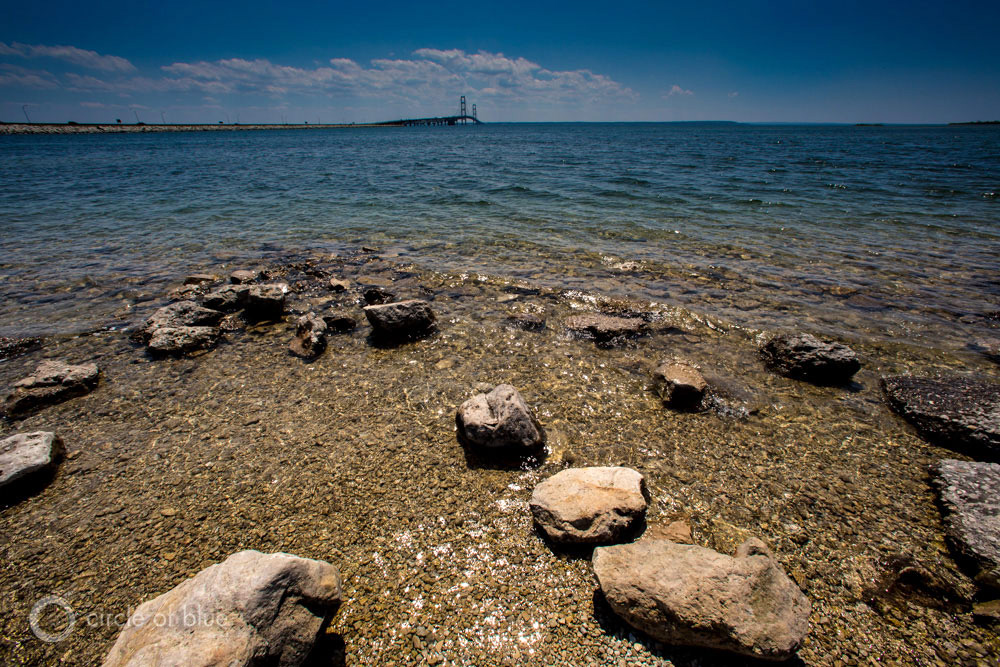
Until two years ago, when the National Wildlife Federation pointed out their presence, the 61-year-old steel oil pipelines running beneath the fast-flowing Mackinac Straits between Lake Michigan and Lake Huron were like nearly every other piece of North America’s energy transport network: out of sight and out of mind.
-
Unprecedented Coal Shutdown Tests Authority of India’s New Court
›
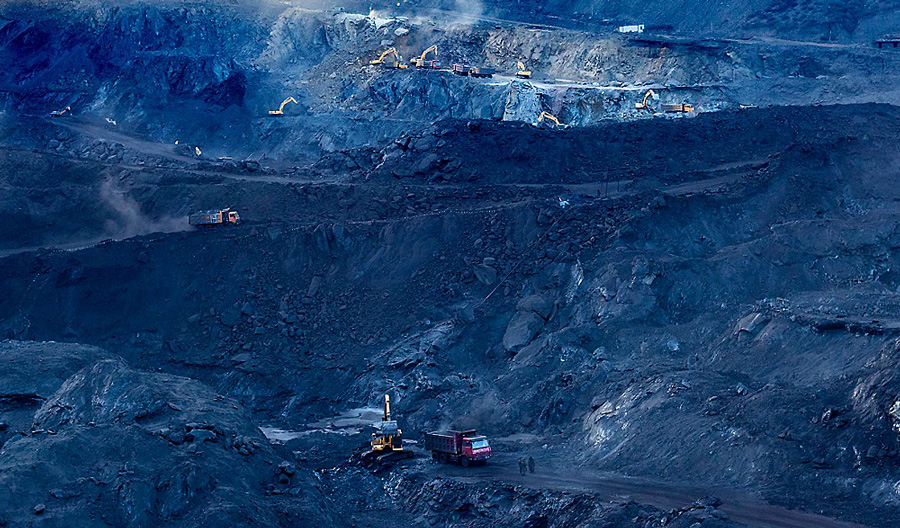
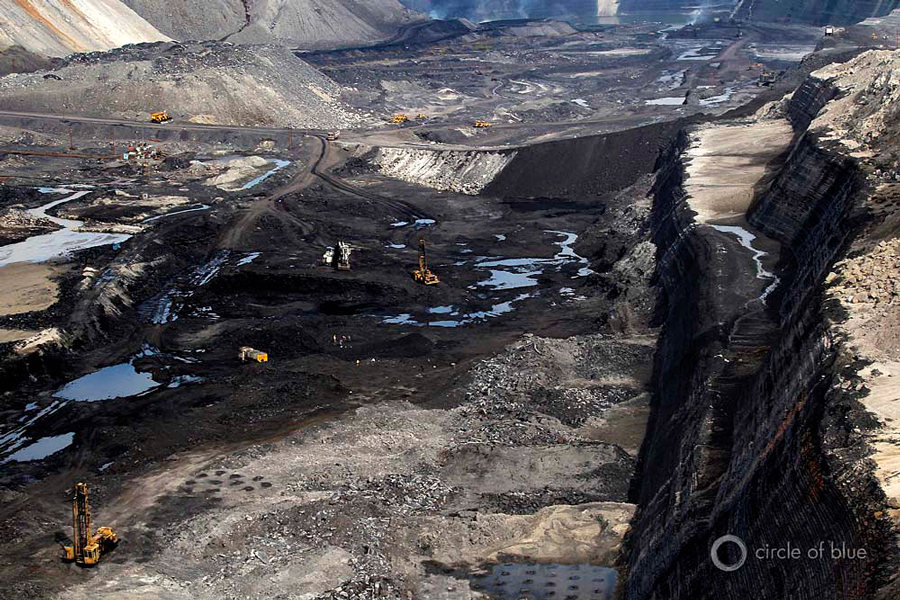
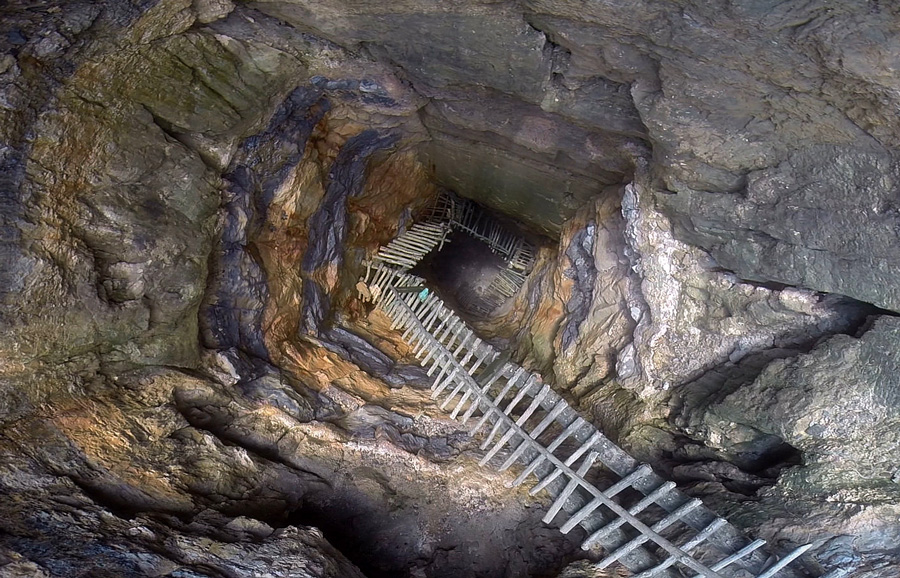
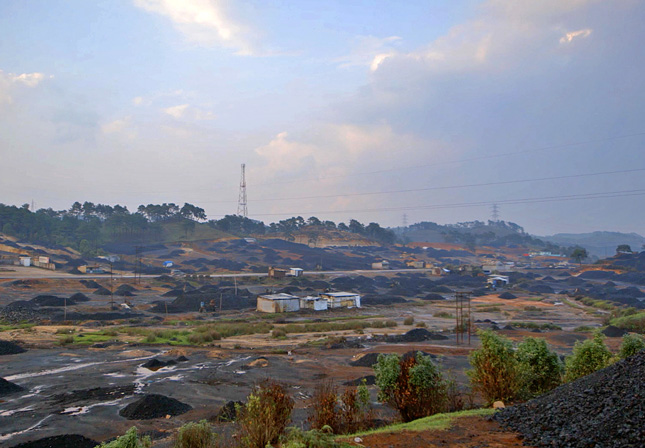
JOWAI, India – On April 17, in a ruling that stunned miners, truckers, and owners in this region of black dust and rivers that run the colors of the rainbow, India’s National Green Tribunal ordered the state of Meghalaya’s $650 million coal mining industry to shut down.
-
India’s National Green Tribunal Charts Bold Course Towards Sustainable Development
›SHILLONG, India – India’s National Green Tribunal (NGT), a judicial body with legal authority that ranks just below the Supreme Court, is quickly emerging as one of the world’s most important forums for testing the idea that economic advancement is tightly wired to public safety and the security of water, air, and land.
-
Water and New Development Path Are Priorities in U.S.-China Climate Agreement
›NEW DELHI, India – There are nearly 1.3 billion people in this swarming democracy, where over 66 percent of eligible voters cast ballots in the general election last May. A few of them took me aside this week to express surprise at the puzzle that is the American electorate and its national leadership. -
Earth Pushes Back: Era of Indifference Greets Droughts, Floods, Storms, Tsunamis
›There’s nothing demur about Mother Earth these days. She’s fuming and pushing back hard. Very hard.
-
India’s Faltering Energy Production, Damaged Water Resources Demand Modi’s Close Attention
›India’s new prime minister swept into office in May on a message of aspiration and a reputation for action.
During the nearly 13 years that Narendra Modi served as chief minister of Gujarat before becoming prime minister, his successes included drastically curtailing the number of hours that manufacturers in India’s premier industrial state went without electricity. The state’s transmission grid was strengthened and he promoted the development of 900 megawatts of solar generating capacity (equivalent to a large nuclear plant).
-
“The Himalayas Are Pushing Back”: Keith Schneider on Why India Needs to Forge Its Own Path to Development
›
India has the second largest – soon to be largest – population of any nation on the planet and boasts a rapidly developing economy, yet it consumes only a fraction of the energy of China or the United States. Much like China before it, the Indian government has proposed an ambitious system of hydroelectric projects in an attempt to catch up.
-
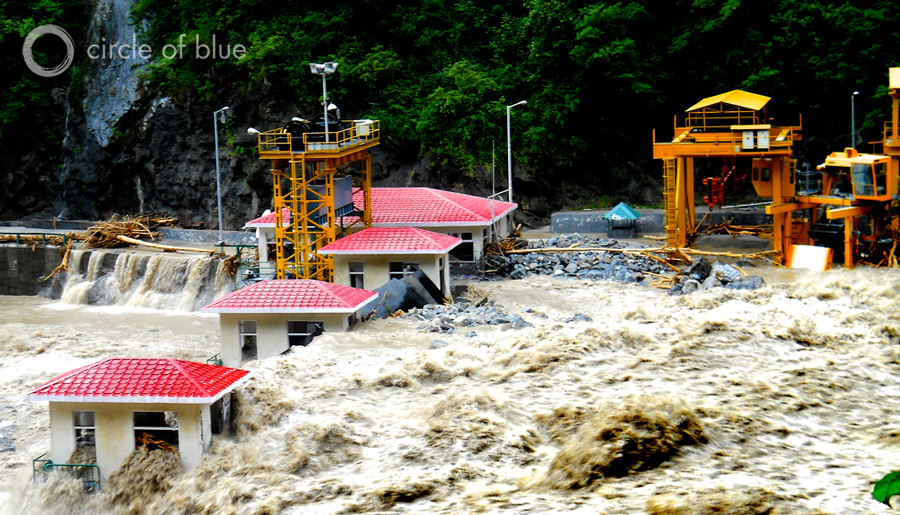
Uttarakhand’s Furious Himalayan Flood Could Bury India’s Hydropower Program
›Despite the inherent risks, India is determined to join China, Bhutan, Nepal, and Pakistan in turning the Himalayas into the Saudi Arabia of hydroelectric energy. Almost 300 big hydropower projects are under construction or proposed for India’s five Himalayan states, according to the Central Electric Authority.
Showing posts from category Choke Point.
 NEW DELHI, India – There are nearly 1.3 billion people in this swarming democracy, where over 66 percent of eligible voters cast ballots in the general election last May. A few of them took me aside this week to express surprise at the puzzle that is the American electorate and its national leadership.