• woodrow wilson center
  • ecsp

New Security Beat

Subscribe:
  • rss
  • mail-to
  • Who We Are
  • Topics
    • Population
    • Environment
    • Security
    • Health
    • Development
  • Columns
    • China Environment Forum
    • Choke Point
    • Dot-Mom
    • Friday Podcasts
    • Navigating the Poles
    • Reading Radar
  • Multimedia
    • Water Stories (Podcast Series)
    • Backdraft (Podcast Series)
    • Tracking the Energy Titans (Interactive)
  • Films
    • Water, Conflict, and Peacebuilding (Animated Short)
    • Paving the Way (Ethiopia)
    • Broken Landscape (India)
    • Scaling the Mountain (Nepal)
    • Healthy People, Healthy Environment (Tanzania)
  • Publications
  • Events
  • Contact Us

NewSecurityBeat

The blog of the Wilson Center's Environmental Change and Security Program
Showing posts from category Choke Point.
  • Eric Larson and Sarthak Gupta, Climate Central

    Shift from Coal to Gas Means Power Plants Are Using Less Water [Infographic]

    ›
    Choke Point  //  July 6, 2015  //  By Wilson Center Staff

    The original version of this article appeared on Climate Central.

    As the U.S. has undergone a rapid and massive shift to natural gas from coal, one benefit has gone almost entirely overlooked: the amount of water needed to cool the nation’s power plants has dropped substantially.

    MORE
  • Water Scarcity Could Prevent Fracking From Spreading Into Northern Mexico

    ›
    Choke Point  //  July 1, 2015  //  By Keith Schneider
    Choke-Point-Mexico

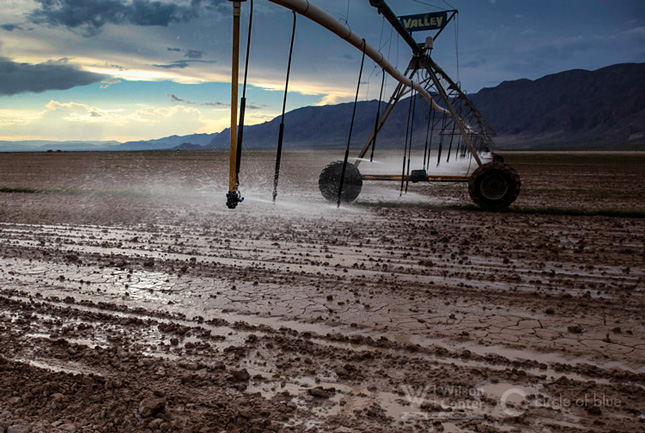
    The original version of this article, by Keith Schneider, appeared at the Wilson Center’s Mexico Institute and on Circle of Blue. Part of the Global Choke Point series by the Wilson Center and Circle of Blue.

    Before world oil prices collapsed late last year, shop owners closest to the banks of the Rio Grande River in Piedras Negras joked that they could hear the groans of Texas drilling rigs advancing toward their fast-growing northern Mexico city.

    MORE
  • A State Divided: A Snapshot of India’s Water-Energy Choke Point

    ›
    Choke Point  //  Eye On  //  June 29, 2015  //  By Josh Feng

    The landscape of the northeastern Indian state of Meghalaya is rapidly changing. What was once a predominately agricultural economy has shifted to coal mining with significant consequences for people and the environment. “Once you extract coal from the land, it’s really hard to go back to an agricultural economy,” says ECSP’s Sean Peoples in an interview with Wilson Center NOW, about the Global Choke Point film, Broken Landscape.

    MORE
  • Under Modi, India’s Climate Goals Tied to Clean Energy Development

    ›
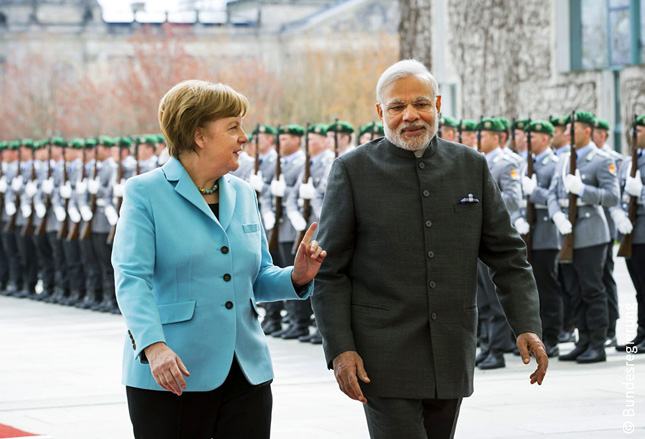
    Choke Point  //  Guest Contributor  //  May 8, 2015  //  By Dhanasree Jayaram
    modi-merkel

    India occupies a precarious position in the global climate change order. It trails only China, the United States, and the European Union in total emissions, but per capita emissions are far lower. India’s Prime Minister Narendra Modi won the 2014 elections on a strong pro-development platform and continues to wave this flag at all levels, making energy security a major priority and pledging to expand the country’s coal mining industry. But he also insists he will work with the international community on mitigating climate change. During a recent visit to France, Germany, and Canada, he declared, “India will set the agenda for the upcoming Conference of Parties” in Paris this fall.

    MORE
  • Illustrating China’s Water-Energy-Food Choke Points [Infographics]

    ›
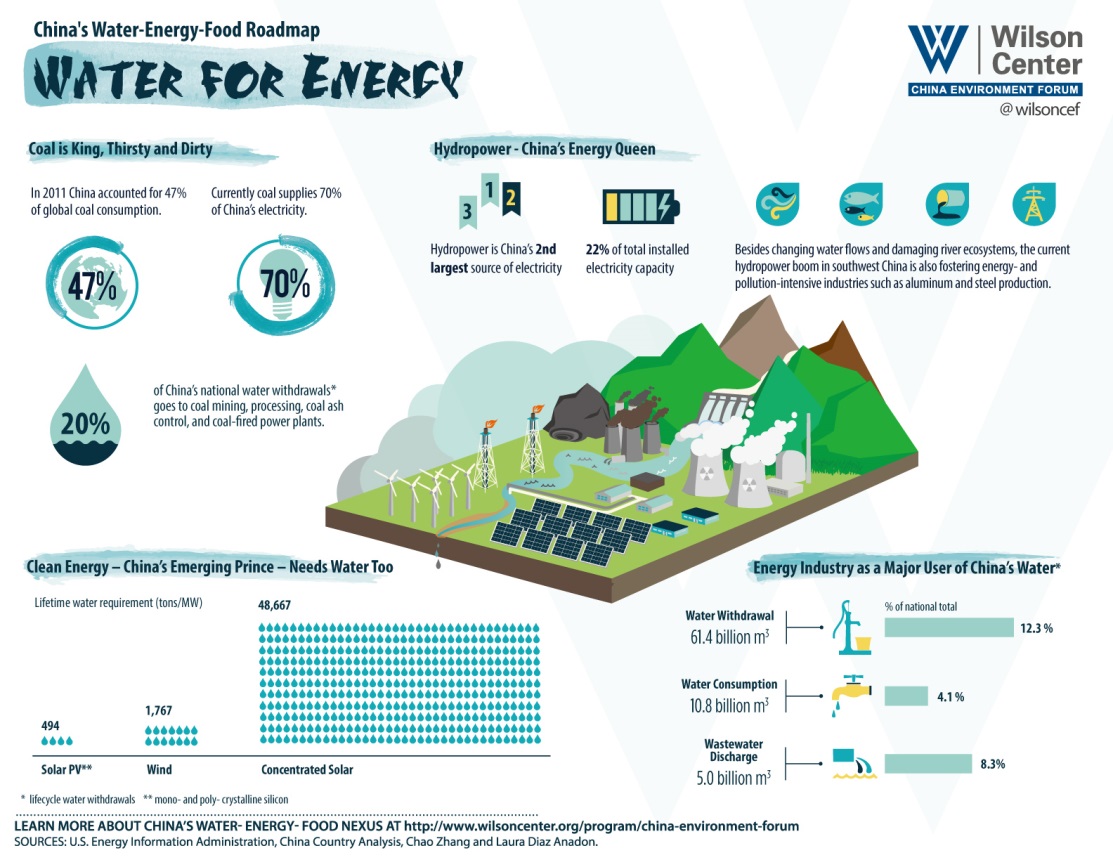
    China Environment Forum  //  Choke Point  //  May 6, 2015  //  By Siqi Han
    Water for Energy

    Last month, the China Environment Forum released a new Global Choke Point report, China’s Water-Energy-Food Roadmap. To date, we believe this is the most comprehensive report on China’s interlinked natural resource insecurities – dwindling water resources in the face of growing energy use and increasing food demand.

    MORE
  • China’s Water-Energy-Food Roadmap: A New Global Choke Point Report

    ›
    China Environment Forum  //  Choke Point  //  March 30, 2015  //  By Susan Chan Shifflett
    roadmap_thumb

    The creation of a water-energy research initiative in the landmark U.S.-China climate agreement last fall could be the beginning of a new and different path for Sino-U.S. collaboration.

    MORE
  • What Can Be Done to Strengthen India’s Natural Resource Management? [Part 2 of 2]

    ›
    Choke Point  //  March 25, 2015  //  By Michael Kugelman & Ferzina Banaji
    AParker_India_Coal_MG_7567

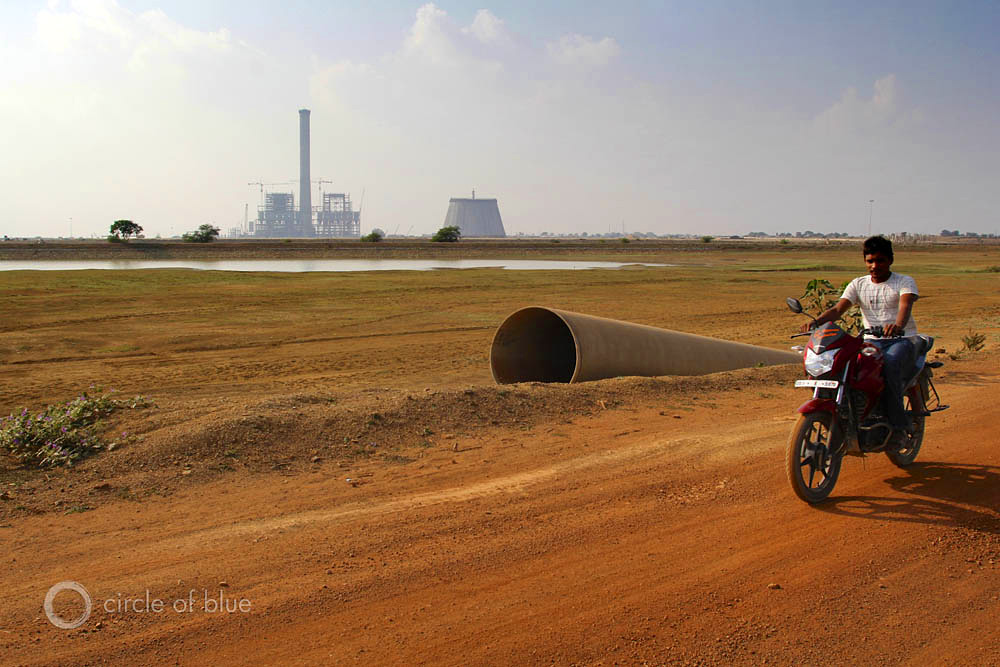
    For two years, the Wilson Center and Circle of Blue have explored the contest for food, water, and energy in India and the troubling ways it plays out across the country. In part one of this series outlining our findings, we explained the basics of India’s natural resource management choke point.

    MORE
  • India’s Food, Water, Energy Conundrum: Conclusions From a Two-Year Reporting Project [Part 1 of 2]

    ›
    Choke Point  //  March 24, 2015  //  By Michael Kugelman & Ferzina Banaji
    2013-India-Delhi-Yamuna-cJG

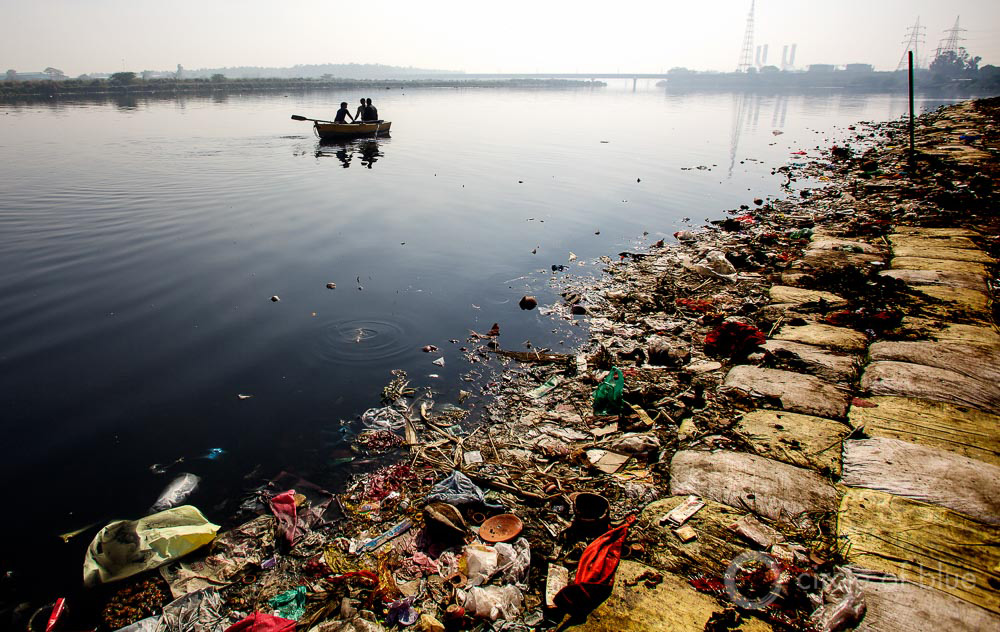
    For two years, the Wilson Center and Circle of Blue have explored the contest for food, water, and energy in India and the troubling ways it plays out across the country.

    MORE
Newer Posts   Older Posts
View full site

Join the Conversation

  • RSS
  • subscribe
  • facebook
  • G+
  • twitter
  • iTunes
  • podomatic
  • youtube
Tweets by NewSecurityBeat

Trending Stories

  • unfccclogo1
  • Pop at COP: Population and Family Planning at the UN Climate Negotiations

Featured Media

Backdraft Podcast

play Backdraft
Podcasts

More »

What You're Saying

  • Volunteers,At,The,Lagos,Food,Bank,Initiative,Outreach,To,Ikotun, Pan-African Response to COVID-19: New Forms of Environmental Peacebuilding Emerge
    Rashida Salifu: Great piece 👍🏾 Africa as a continent has suffered this unfortunate pandemic.But it has also...
  • A desert road near Kuqa An Unholy Trinity: Xinjiang’s Unhealthy Relationship With Coal, Water, and the Quest for Development
    Ismail: It is more historically accurate to refer to Xinjiang as East Turkistan.
  • shutterstock_1779654803 Leverage COVID-19 Data Collection Networks for Environmental Peacebuilding
    Carsten Pran: Thanks for reading! It will be interesting to see how society adapts to droves of new information in...

What We’re Reading

  • Rising rates of food instability in Latin America threaten women and Venezuelan migrants
  • Treetop sensors help Indonesia eavesdrop on forests to cut logging
  • 'Seat at the table': Women's land rights seen as key to climate fight
  • A Surprise in Africa: Air Pollution Falls as Economies Rise
  • Himalayan glacier disaster highlights climate change risks
More »
  • woodrow
  • ecsp
  • RSS Feed
  • YouTube
  • Twitter
  • Facebook
  • Home
  • Who We Are
  • Publications
  • Events
  • Wilson Center
  • Contact Us
  • Print Friendly Page

© Copyright 2007-2021. Environmental Change and Security Program.

Woodrow Wilson International Center for Scholars. All rights reserved.

Developed by Vico Rock Media

Environmental Change and Security Program

Woodrow Wilson International Center for Scholars

Ronald Reagan Building and International Trade Center

  • One Woodrow Wilson Plaza
  • 1300 Pennsylvania Ave., NW
  • Washington, DC 20004-3027

T 202-691-4000