-
Solving Vietnam’s Mangrove Mystery: Mekong Delta Living Lab
›China Environment Forum // Guest Contributor // Vulnerable Deltas // October 10, 2024 // By Lindsey Schwidder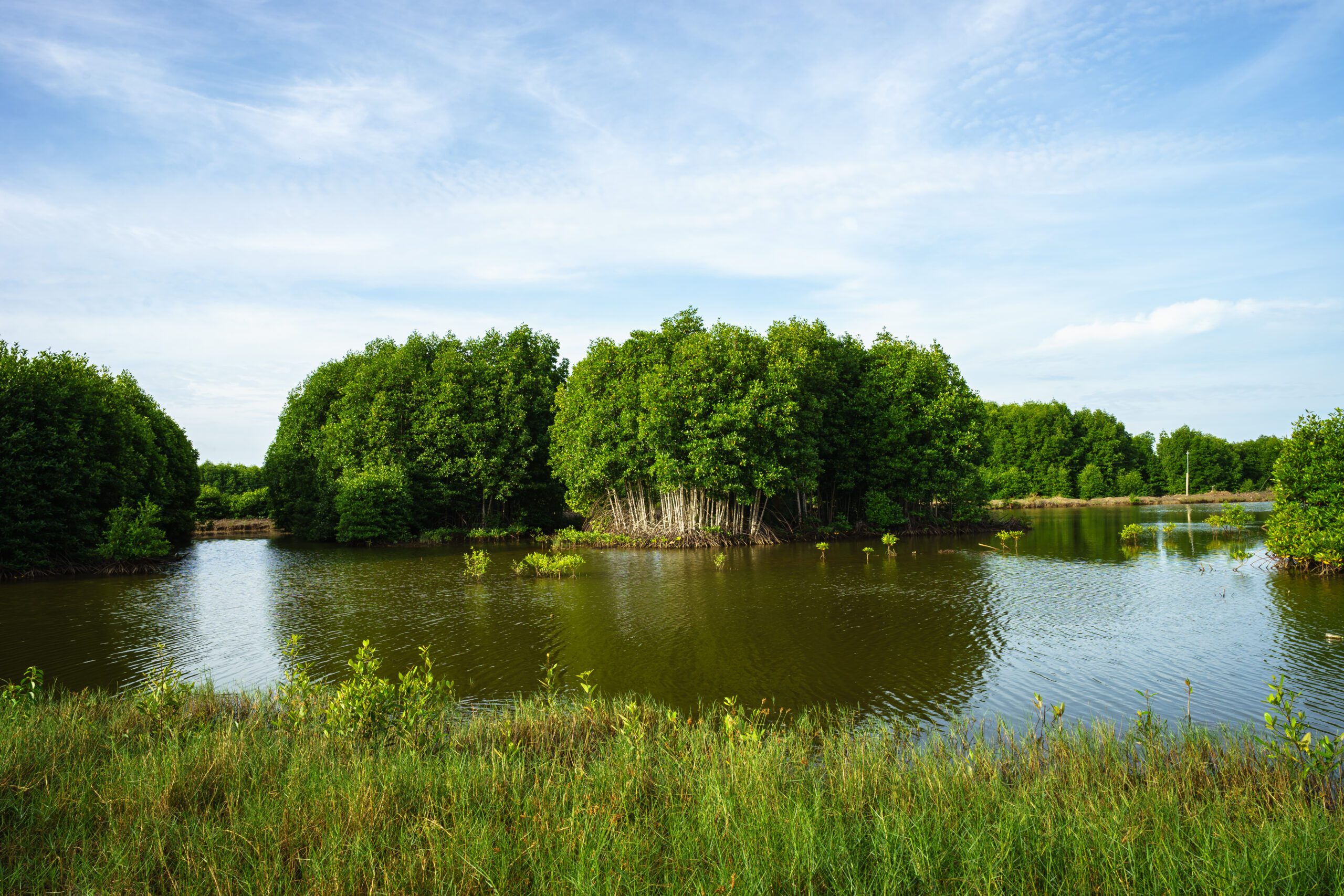
In spring 2024, I travelled in the Mekong Delta with Vietnamese researchers to investigate the country’s dwindling mangroves.
One day while hiking along the coastline of Bac Liu Province in southern Vietnam, we came across the remains of a once-flourishing mangrove forest now littered by countless concrete blocks. My colleagues noted that the decades-long trend of disappearing mangroves here seemed to be unstoppable.
-
Indonesia’s Just Energy Transition Must Not Just Be More of the Same
›China and the Global Energy Transition // China Environment Forum // Vulnerable Deltas // September 19, 2024 // By Jennifer Nguyen
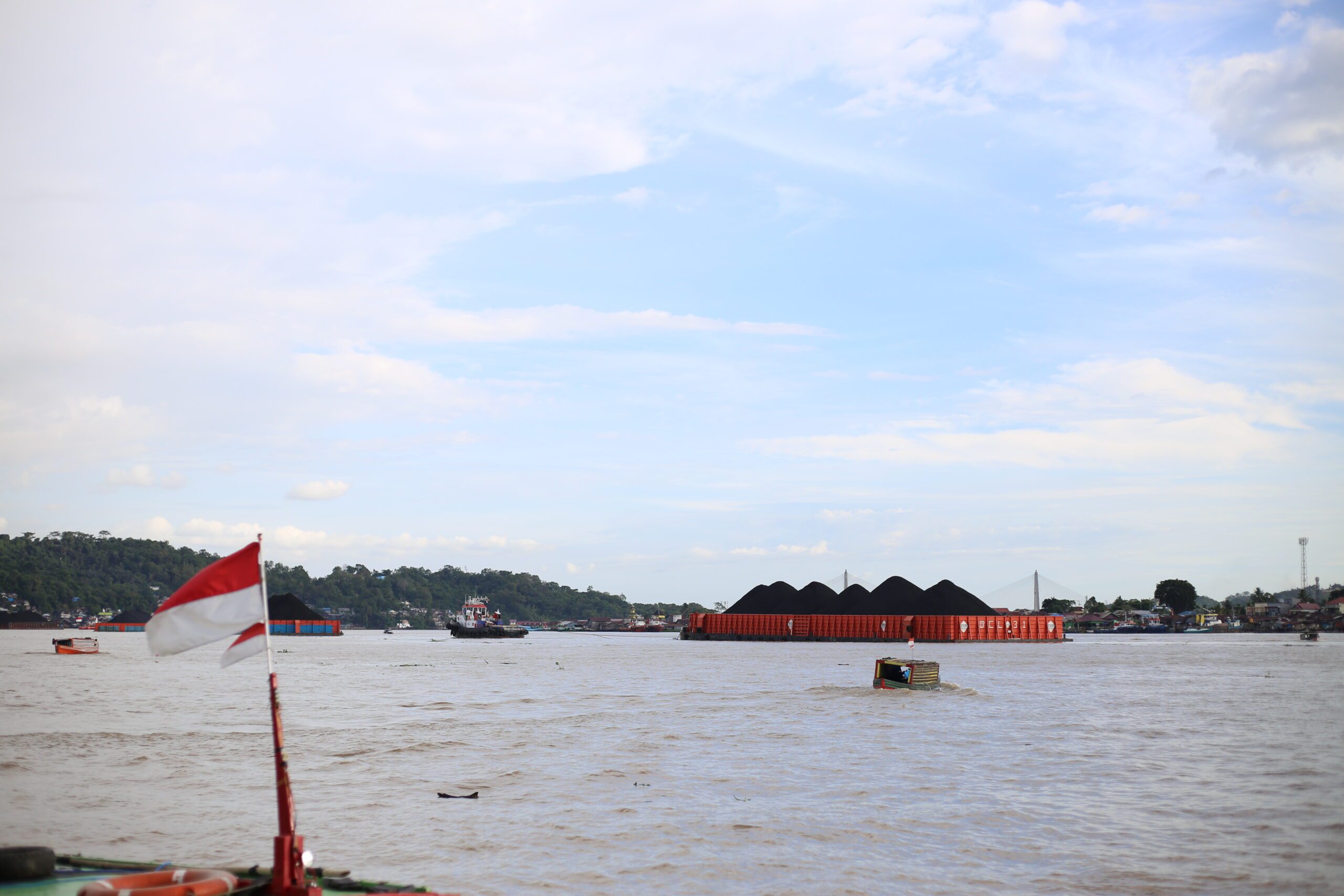
While standing on the banks of the Mahakam River in Samarinda on the island of Borneo, I watched an unending parade of coal barges sail slowly down the river. I was here in East Kalimantan to give a presentation at the Vulnerable Deltas Workshop—a joint project of the East-West Center and the Wilson Center’s China Environment Forum.
-
Mine the Tech Gap: Why China’s Rare Earth Dominance Persists
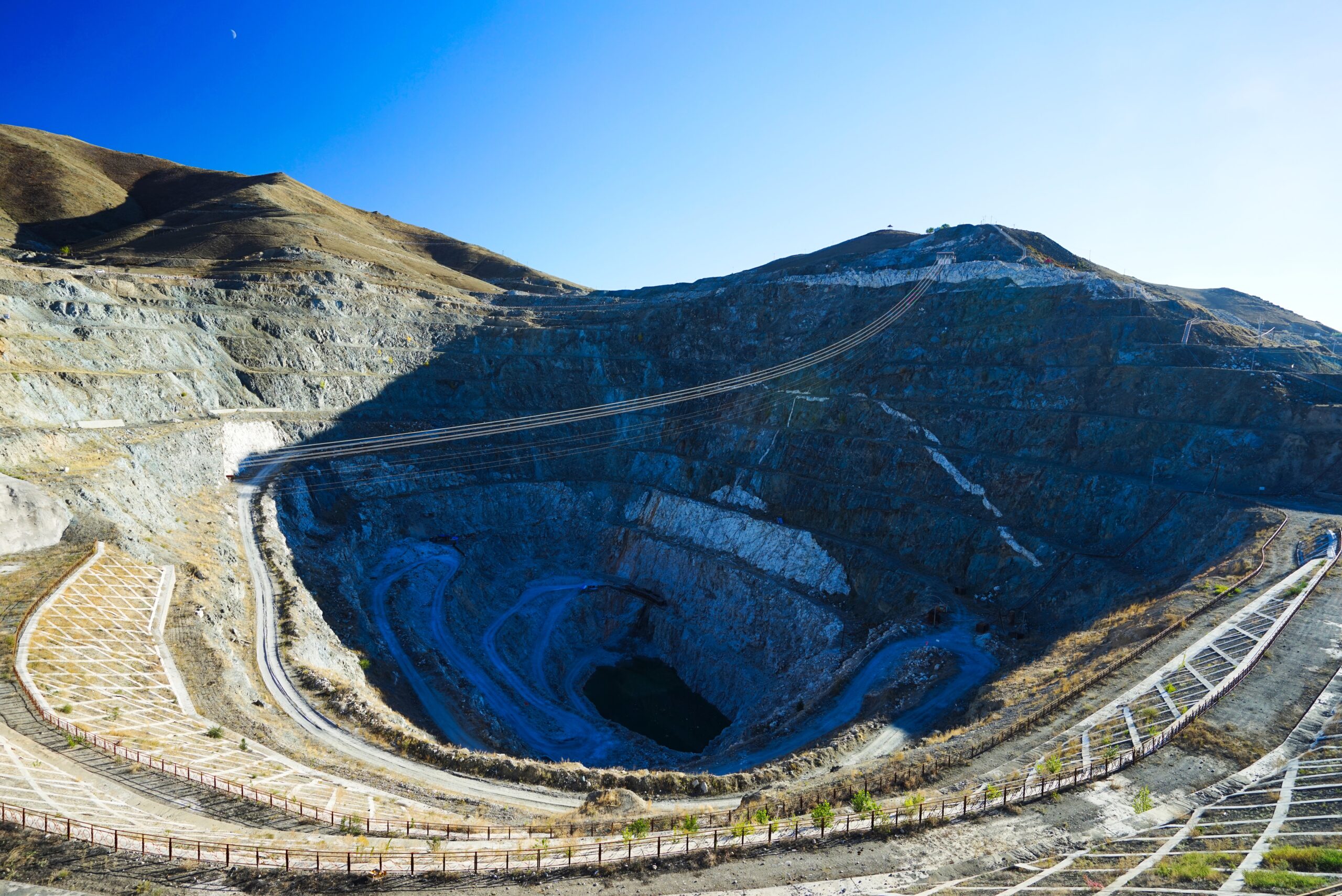
›China and the Global Energy Transition // China Environment Forum // August 29, 2024 // By Nayan SethIn 2019, at the height of the trade war with the United States, Chinese President Xi Jinping visited a rare earth magnet factory in Jiangxi Province. At the time, the visit was interpreted as “muscle flexing” by China’s leader to remind Washington of its dependence on Beijing for the supply of rare earths. Rare earth elements (REEs) – a group of 17 critical metals – are indispensable components in military defense systems, consumer electronics and renewable energy technologies. Despite more than a decade of sustained efforts by Western countries and companies to loosen China’s grip, Beijing, by far remains the top player in the REE global mining, processing and refining sectors.
-
Scaling up the Reuse Revolution in the Global South
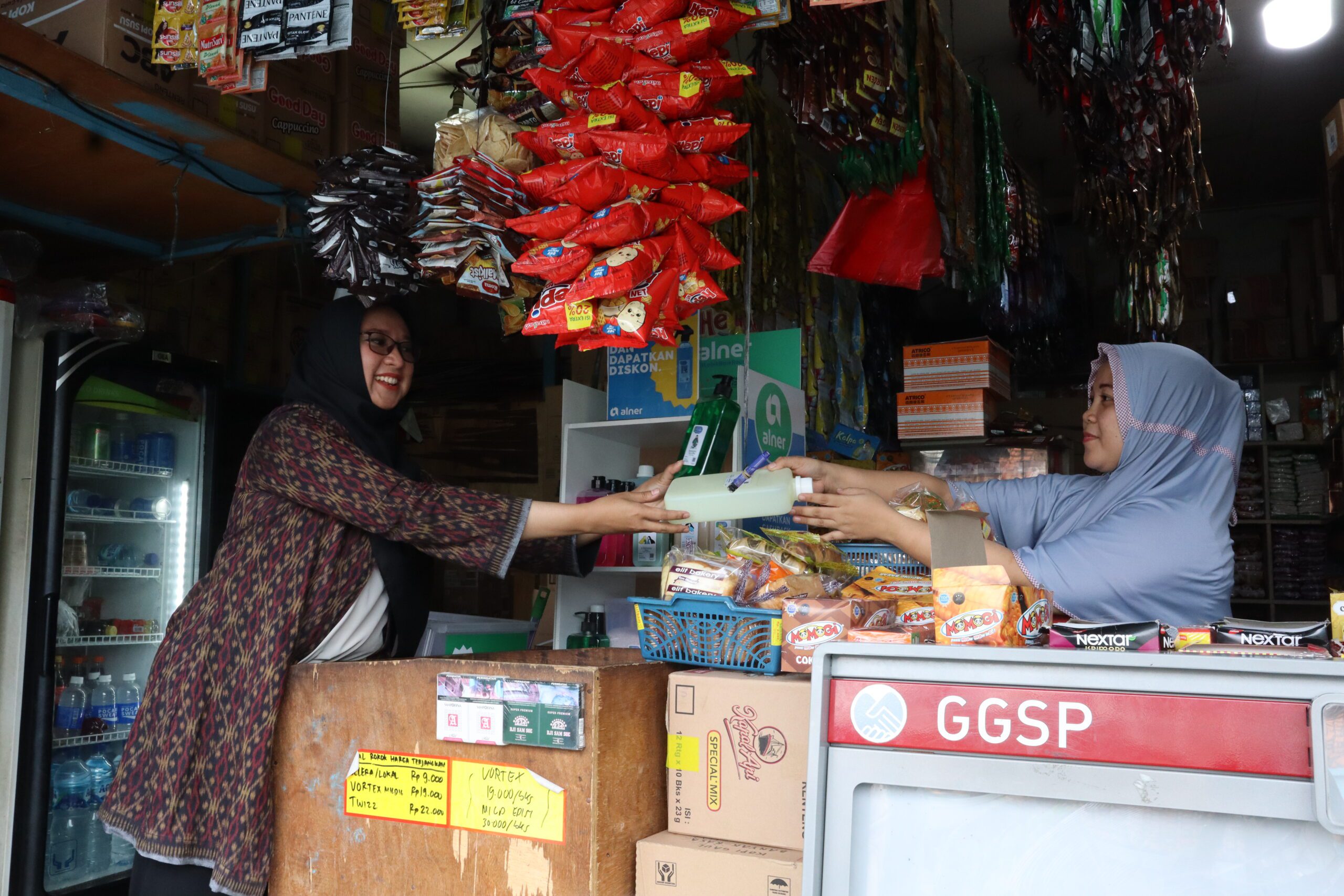
›China Environment Forum // Guest Contributor // Vulnerable Deltas // August 22, 2024 // By Eline Leising & Firda IstaniaIn the last months of 2023, 30 landfills caught fire in Indonesia, highlighting a dangerous health risk and a symptom of the country’s failing waste management system. Most of these landfills are overflowing open dump sites. Moreover, not all waste ends up here, as large amounts — particularly low-value plastics like sachets and pouches — are never collected. Indonesia ranks among the top 10 global plastic polluters. The country generates 7.8 million tons of plastic waste annually, 63% of which is mismanaged. Most of these mismanaged plastics are thrown into rivers, dump sites or burnt by individuals, releasing toxic substances into the air.
-
How to Diversify Mineral Supply Chains – A Japanese Agency has Lessons for All
›China and the Global Energy Transition // China Environment Forum // August 15, 2024 // By Nayan SethOn October 27, 2010, after meeting with her Japanese counterpart, US Secretary of State Hillary Clinton expressed concerns over allegations of a Chinese ban on exports of Rare Earth Elements to Japan. “This served as a wakeup call,” she announced while advocating for “additional sources of supply.” Beijing’s alleged ban came after skirmishes in the disputed Senkaku Island waters. But apart from Japan, not many countries acted on the wake-up call.
-
Search for a Just Transition in China’s Shift Away from Coal
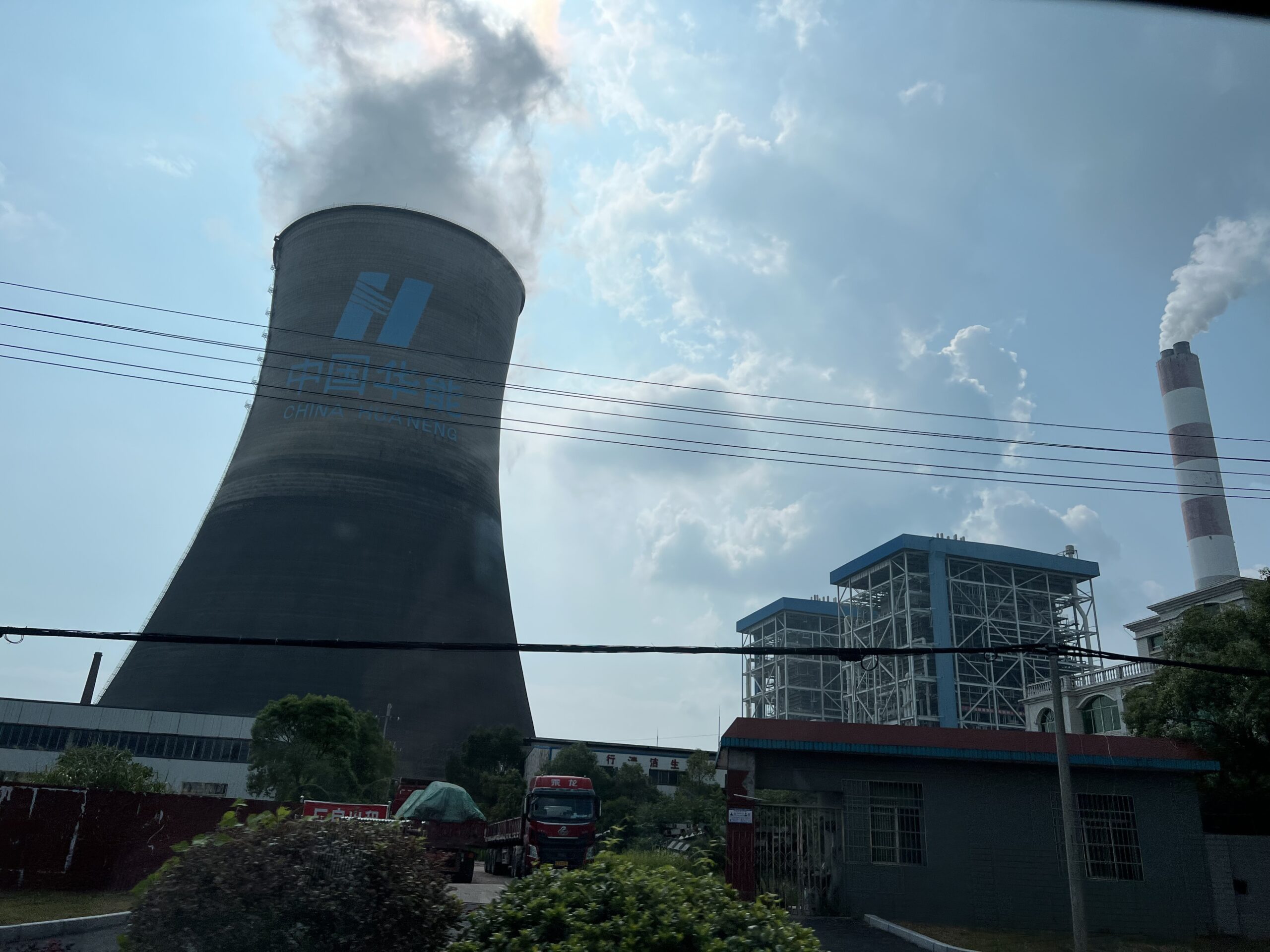
›In 2023, I embarked on a journey with a group of energy policy researchers from Beijing to visit several Chinese coal cities. We wanted to understand the implementation of China’s decarbonization policies in the heartland of coal mining. As we drove into a coal-rich town in western Shanxi Province, the narrow roads were filled with loud rumbling coal trucks. Amid soot-streaked buildings, newer homes housed families who were relocated from areas affected by coal mining subsidence. The town’s existence hinged on coal. Yet, this dependency has an expiration date — the local mines will be depleted in 10 to 15 years.
-
Cool Communities: Raising Awareness about Green Cooling in China
›Li Meini, a junior high school student in Beijing’s Tiantongyuan Community, was seeing more news about wildfires, floods and heat waves and couldn’t stop worrying about the safety of the local wildlife. “…Animals have nowhere to escape from wildfires and floods…their homes are destroyed in an instant. Humans have technology to reduce the impact of climate warming. I hope these technologies can also help wild animals better survive.”
-
How China’s most ‘Futuristic’ City Restored its Mangroves
›China Environment Forum // Guest Contributor // Vulnerable Deltas // July 11, 2024 // By Yingxin FengEach spring, as Shenzhen’s mangroves burst into life, the region becomes a prime spot for birdwatchers observing the endangered, black-faced spoonbill. Known as the giant panda of birds, this species winters in Shenzhen Bay from October to April, in preparation for its northbound migration. Shenzhen Bay, located in southern China and part of the Pearl River Delta expanding into Hong Kong, is a crucial stop-off point for migratory birds using the East Asian-Australasian flyway. The mangroves support over 200 species of birds and host 100,000 migratory birds each winter, drawing enthusiasts and scientists alike to witness these natural spectacles against the backdrop of one of China’s most bustling urban settings.
Showing posts from category China Environment Forum.