-
ECSP Weekly Watch | July 29 – August 2
›
A window into what we are reading at the Wilson Center’s Environmental Change and Security Program
How One Loss and Damage Fund Bore Fruit (The Guardian)
The Loss and Damage Fund established during the UN COP27 was a monumental breakthrough in the climate finance realm and aimed to provide financial assistance to vulnerable nations impacted by climate change. Such damage can be catastrophic. When Cyclone Freddy hit Malawi in 2023, it killed 1,200 people and displaced 659,000 more. The estimated economic loss exceeded $1 billion, and it landed especially hard on farmers—including the women who make up more than 70% of Malawi’s agricultural workforce.
-
How China’s most ‘Futuristic’ City Restored its Mangroves
›China Environment Forum // Guest Contributor // Vulnerable Deltas // July 11, 2024 // By Yingxin Feng
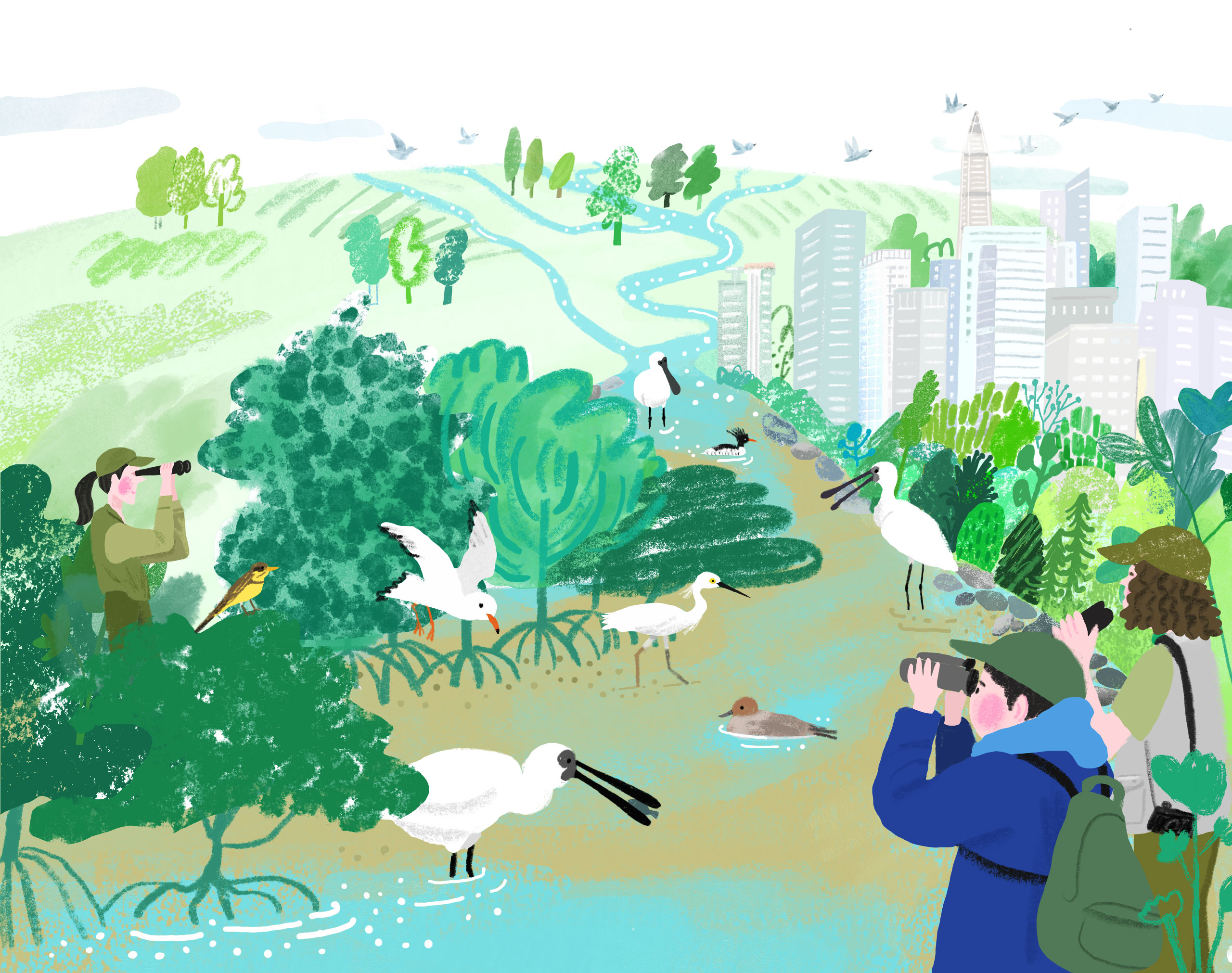
Each spring, as Shenzhen’s mangroves burst into life, the region becomes a prime spot for birdwatchers observing the endangered, black-faced spoonbill. Known as the giant panda of birds, this species winters in Shenzhen Bay from October to April, in preparation for its northbound migration. Shenzhen Bay, located in southern China and part of the Pearl River Delta expanding into Hong Kong, is a crucial stop-off point for migratory birds using the East Asian-Australasian flyway. The mangroves support over 200 species of birds and host 100,000 migratory birds each winter, drawing enthusiasts and scientists alike to witness these natural spectacles against the backdrop of one of China’s most bustling urban settings.
-
Climate, Conflict, and Changing Demographics Command Attention in New Global Health Security Report
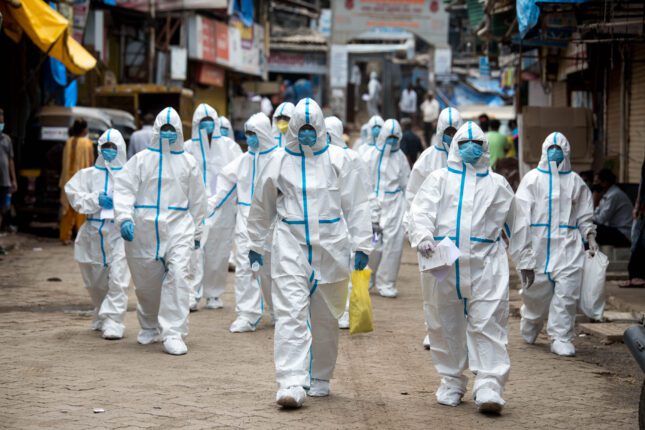
›A new report by the US Intelligence Community highlights what the world stands to lose if it fails to cooperate on global health. The National Intelligence Estimate (NIE) “Dynamics Shaping Global Health Security In the Next Decade” outlines the dire effects of climate change, changing demographics, and the erosion of trust in institutions on global health security. The NIE on Global Health Security was made publicly available in April 2024, on the heels of the Biden-Harris Administration’s launch of a new Global Health Security Strategy.
-
ECSP Weekly Watch: April 29 – May 3
›A window into what we are reading at the Wilson Center’s Environmental Change and Security ProgramEnvironmental Prize Winners Highlight Local Communities’ Fight Against Fossil Fuels (New York Times)
On Monday, several environmental leaders won the Goldman Environmental Prize, which the Goldman Environmental Foundation awards annually to grassroots environmental activists from each of the world’s six geographic regions. This year’s prize comes as environmental advocacy groups, especially indigenous ones, increasingly fight legal battles against companies or government entities that wish to use their land for oil and gas acquisition or coal mining.
-
The Arc | Dr. Renata Giannini on Women Environmental Defenders in the Amazon and Climate Mitigation
›In today’s episode of The Arc, ECSP’s Angus Soderberg and Claire Doyle interview Wilson Center Fellow Dr. Renata Giannini about her work with women environmental defenders in the Amazon and their role at COP30 in Brazil. Select quotes from the interview are featured below. -
ECSP Weekly Watch: March 4 – 8
›A window into what we are reading at the Wilson Center’s Environmental Change and Security Program
Climate Change Disproportionately Impacts Rural Women (U.N. Food and Agriculture Organization)
A recent report by the U.N. Food and Agriculture Organization analyzed data from 24 low- and middle- income countries (LMICs) across five regions and over 100 thousand rural households to measure the impacts of climate change on rural women, youth, and people living in poverty. It found that climate change’s impacts disproportionately impact households headed by women, with income losses due to extreme heat (8% income loss) and flooding (3% income loss), relative to households led by men. The income gap between men and women was also widened as a result.
-
The New Arctic: Amid Record Heat, Ecosystems Morph and Wildlife Struggle
›This article, by Sharon Guynup, originally appeared on Mongabay.
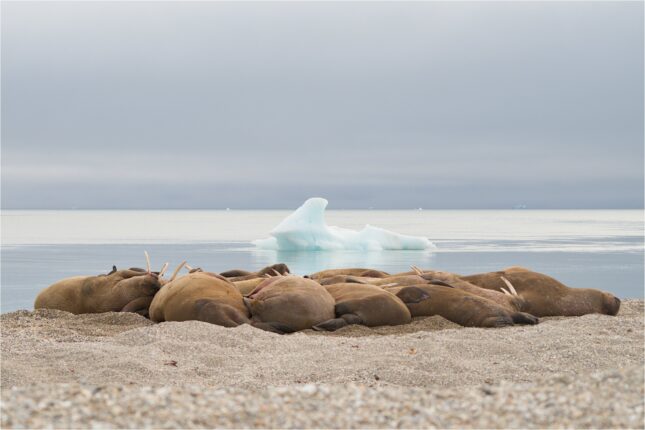
Walruses have traversed the Arctic for millennia, gregarious pinnipeds that rest en masse on drifting pack ice, diving to feed on crabs, clams and other seafloor delicacies. Icy platforms also serve as safe birthing and nursery grounds. But as the far north rapidly warms and sea ice disappears, some herds now huddle on overcrowded shorelines, with deadly consequences for young calves: Because more disturbances occur on shore than at sea, calves are regularly trampled during panicked stampedes by the 1-ton-plus adults.
-
Green Corruption: Dissecting a Recent Wilson Center Event
›In today’s episode of New Security Broadcast, ECSP’s Angus Soderberg breaks down a recent Wilson Center event against the backdrop of the 10th annual Conference of State Parties (COSP) to the UN Convention on Corruption, which is under way in Atlanta this week. On September 19, ECSP and the Wilson Center’s Global Europe Program, in partnership with the U.S. Department of State, the Embassy of the Principality of Liechtenstein, and the Basel Institute on Governance, hosted Combating Green Corruption: Fighting Financial Crime as a Driver of Environmental Degradation. The speakers discuss how corruption fuels wildlife trafficking and other environmental crimes, which finance illicit activities, hamper development, and erode efforts to combat biodiversity loss and climate change across the globe.
Showing posts from category biodiversity.
 In today’s episode of The Arc, ECSP’s Angus Soderberg and Claire Doyle interview Wilson Center Fellow Dr. Renata Giannini about her work with women environmental defenders in the Amazon and their role at COP30 in Brazil. Select quotes from the interview are featured below.