-
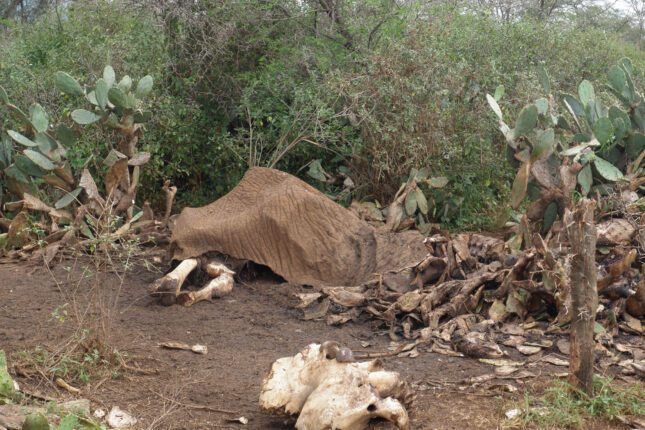
Addressing Human-Wildlife Conflict in Ethiopia’s Protected Lands
›
We are undoubtedly at the 11th hour for biodiversity. The World Wildlife Foundation recently reported that Earth saw a 70% drop in species populations over the last fifty years.
As global leaders convened at COP16 in Cali, Colombia in late October and early November, many of the most pressing threats to biodiversity and pathways to improving governance effectiveness were on the agenda. This year’s conference theme—“Peace with Nature”—offered an impetus for a deeper dialogue on the conflict-biodiversity nexus, which included the work of “Peace@CBD”: a community of NGOs, institutions, and individuals that promotes relationships between nature, peace, and conflict.
-
New Security Brief | Pioneering Solutions: Climate Finance, Gender Equity, and Sexual and Reproductive Health Services
›
This article is adapted from “Pioneering Solutions: Climate Finance, Gender Equity, and Sexual and Reproductive Health Services”
A warming world is leading to new challenges for communities and countries around the globe. The significant impacts of climate change on global health, and on women and girls, are well-documented. Yet despite the evidence, funding for climate responses that focus on health or gender remains relatively low. In the rare instances where climate finance provides funds to improve health services, sexual and reproductive health (SRH) services—which are critical to women’s full participation in society and decisionmaking—are largely neglected.
-
ECSP Weekly Watch | October 21 – 25
›A window into what we’re reading at the Wilson Center’s Environmental Change and Security Program
COP16 Begins in Colombia (Al Jazeera)
Almost 200 countries are gathering in Colombia for a two-week span (October 21 to November 1) for the UN Convention on Biodiversity to further global conservation goals. At COP15, the meeting culminated with an ambitious global treaty—the Kunming-Montreal Global Biodiversity Framework (2022)—that required member states to halt and reverse biodiversity loss. The agreement had four goals that set a “30×30“ agenda to protect 30% of global land, earth, and water ecosystems by 2030.
-
A Decade of Progress on Palm Oil Deforestation at Risk in Indonesia
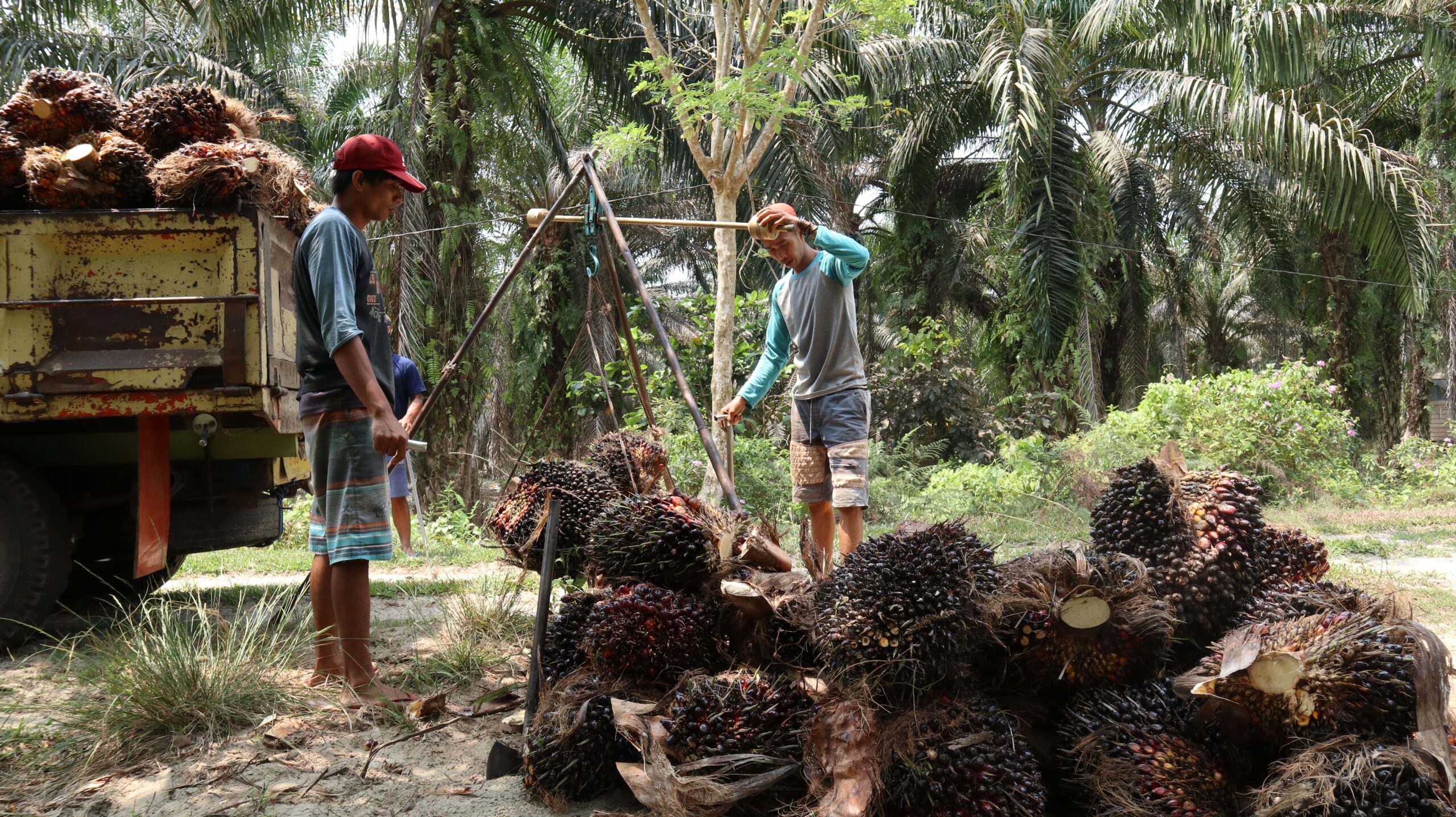
›China Environment Forum // Guest Contributor // Vulnerable Deltas // October 24, 2024 // By Jason Jon Benedict & Robert HeilmayrIndonesia is the world’s largest producer and exporter of palm oil, an ingredient used globally in a huge variety of food and household products from peanut butter to shampoo. Yet it is also an important driver of deforestation and contributor to climate change and biodiversity loss. Over the past 20 years, the expansion of palm oil plantations has contributed one-third of the total loss of old-growth forests in Indonesia (around 3 million hectares).
-
Deep Seabed Mining: Will It Rise to The Surface—and Where?
›Norway recently announced that electric vehicles (EV) now outnumber gas-powered ones on its highways for the first time—and that these vehicles comprise 80 percent of its current new car sales. While internal combustion engines (ICE) will not disappear for several years, Norway’s sales of ICE-powered vehicles will end abruptly in 2025.
-
ECSP Weekly Watch | October 7 – 11
›A window into what we’re reading at the Wilson Center’s Environmental Change and Security ProgramEscalations in Middle East Spur Oil Security Concerns (Reuters)
One year on from the brutal reignition of the Israeli-Palestinian Conflict on October 7, 2023, the situation in the Middle East has escalated drastically. Hamas’ attack on Israel has been followed by Israeli strikes across the region, which have killed tens of thousands of civilians, displacing millions in Gaza and in Lebanon. Now, tit for tat attacks between Israel and Iran have made Gulf states, particularly Saudi Arabia, Qatar, and the United Arab Emirates (UAE), worry about oil security in the region.
-
ECSP Weekly Watch | September 9 – 13
›A window into what we’re reading at the Wilson Center’s Environmental Change and Security Program
Fukushima Nuclear Clean-up Begins (The Diplomat)
It has been over 13 years since a massive 9.0 earthquake near the coastline of Japan in 2011 triggered a tsunami that irreversibly damaged the Fukushima Daiichi nuclear plant. Failing cooling systems within the plant led to the melting of its radioactive core reactor, which dripped toxic fallout across the plant and in the larger ecosystem. Since that catastrophe, Japan has been devising ways to responsibly clean the waste in Fukushima—and it might be getting closer to a final answer.
-
ECSP Weekly Watch | August 26 – 30
›A window into what we are reading at the Wilson Center’s Environmental Change and Security ProgramWorld Food Program Faces Scrutiny Over Fraud in Sudan (Reuters)
As Sudan suffers an immense humanitarian crisis due to an ongoing internal conflict between the Army Forces and the paramilitary Rapid Support Forces (RSF), the U.N. World Food Program (WFP) has provided crucial aid to people displaced by the conflict. Yet its ability to continue this crucial work is now under threat because of allegations of illicit activities made against its top officials in that country. These developments have drawn the attention of humanitarian practitioners and diplomats—who also have concerns regarding WFP’s mismanagement and how it might have contributed to the failure to deliver enough aid in Sudan.
Showing posts from category biodiversity.