-
Jessica F. Green & Thomas N. Hale, Duck of Minerva
Why IR Needs the Environment and the Environment Needs IR
›April 13, 2017 // By Wilson Center Staff
The state of the global environment is terrible – and deteriorating. The globalization of industrial production and the consumptive habits of 7 billion people have created the Anthropocene, a geologic age in which the actions of humans are the primary determinant of the Earth’s natural systems. This shift creates a profound new form of environmental interdependence, of which climate change is only the most salient example.
-
A Survey of the “War on Wildlife”: How Conflict Affects Conservation
›
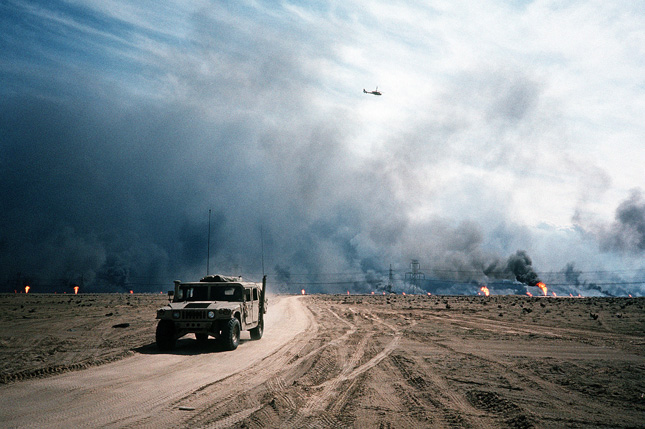
Over the last 60 years, more than two-thirds of the world’s remaining biodiversity hotspots have experienced armed conflict. The effects have been myriad, from destruction as a result of military tactics to indirect socioeconomic and political changes, like human migration and displacement. This so-called “war on wildlife” has important implications for conservation and peacebuilding efforts, according to a recent literature review published in Frontiers in Ecology and the Environment.
-
Inside ‘The Poachers Pipeline’: Q&A With Al Jazeera’s Jeremy Young and Kevin Hirten
›Rhino horn is the most valuable illegally traded wildlife product in the world, more expensive per pound than either gold or cocaine and much more valuable than elephant ivory. With as few as 25,000 wild rhinos left in Africa, conservationist and law enforcement fight a constant battle with criminal syndicates seeking to kill rhinos and sell their horns to wealthy consumers abroad, many in Asia.
-
Sharon Guynup, Mongabay
Axing “Conflict Minerals” Rule Also Threatens DRC’s Endangered Grauer Gorillas
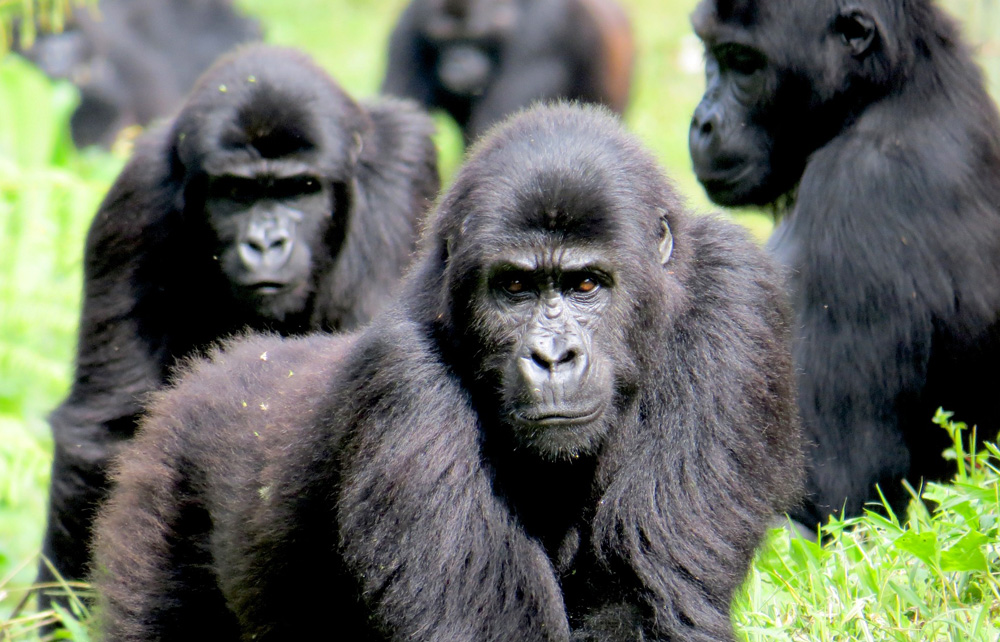
›March 2, 2017 // By Wilson Center StaffFor weeks, the primatologists had followed a group of Grauer’s gorillas over rugged terrain – hacking through dense rainforest; following knife-edged ravines; and crossing a nearly impenetrable mountainous landscape in the eastern part of the Democratic Republic of the Congo (DRC).
-
Climate and Human Change in Biodiversity Hotspots, and Assessing the Tradeoffs of Bolivia’s Quinoa Craze
›In a recent article published in PLOS ONE, Juliann E. Aukema, Narcisa G. Pricope, Gregory J. Husak, and David Lopez-Carr address the impacts of climate change and population growth on areas with vulnerable ecosystem services and biodiversity, and in reverse, how degraded ecosystem services effect vulnerable populations. The authors analyze locations between 50 degrees latitude north and south that had changing precipitation patterns in the past 30 years. -
Elizabeth Devitt, Mongabay
Getting a Grip on an Unlikely Threat to Biodiversity: The Pet Trade
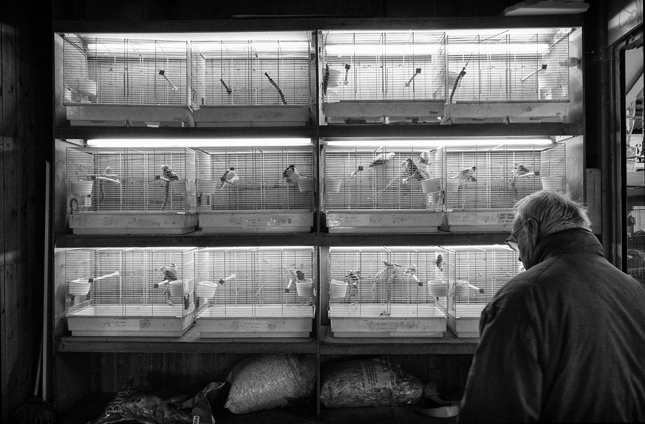
›February 16, 2017 // By Wilson Center StaffThe legal commercial exotic animal trade is a booming enterprise that ships ornamental fish, mammals, birds, reptiles and amphibians around the world. These pets, livestock and other animals can carry unexpected infectious diseases from their homelands. If these non-native species escape or are released to the wild, they can create epidemics among susceptible endemic wildlife.
-
Environmental Defenders Under Attack: Second Goldman Prize Winner Killed in Less Than a Year
›Despite recent press coverage about the violence against international environmental defenders, another prominent figure has been murdered in cold blood.
-
Paradox of Progress: National Intelligence Council Releases Global Trends Report
›January 11, 2017 // By Schuyler NullDo you experience information overload? Feel like there’s always another crisis to worry about? Sense a kind of chaos? Well, you may be a citizen of the early 21st century.
Showing posts from category biodiversity.