-
Worst Drought in 140 Years Leads to Farmer Deaths, Riots, Policy Impasse in Cauvery Delta
›
VENGANTHANKUSI, India – Vijayakumar, 51, was a successful rice grower his entire life until this rainless harvest season. Described by family and friends as a tall, steady man of few words, Vijayakumar seemed unbent by the paralyzing consequences of Tamil Nadu’s deepest drought in 140 years.
-
Water and the Rise of Insurgencies in the “Arc of Instability”
›
Water scarcity has contributed to an “arc of instability” characterized by conflict and displacement that stretches from West Africa to the Middle East, said a panel of experts at the Wilson Center on March 1. Two authors from an upcoming compilation of case studies on water security and violent conflict by World Wildlife Fund gave overviews of challenges in Nigeria and Iran and recommendations for U.S. engagement.
-
What’s in a Label? Lessons on Advancing Global Health Goals From Corporate Green Standards
›As you walk through the supermarket, you’ve probably noticed labels like “Rainforest Alliance Certified,” “Fair Trade,” or “Green Seal.” These certifications were created to help consumers use their purchasing power to reward companies that treat workers fairly and limit their harm to the environment. What’s missing is health, particularly women’s health. Too often these standards focus narrowly on occupational safety rather than addressing broader, but relevant, health needs of workers.
-
Chased by Drought, Rising Costs, and Clean Technology, India Pivots on Coal
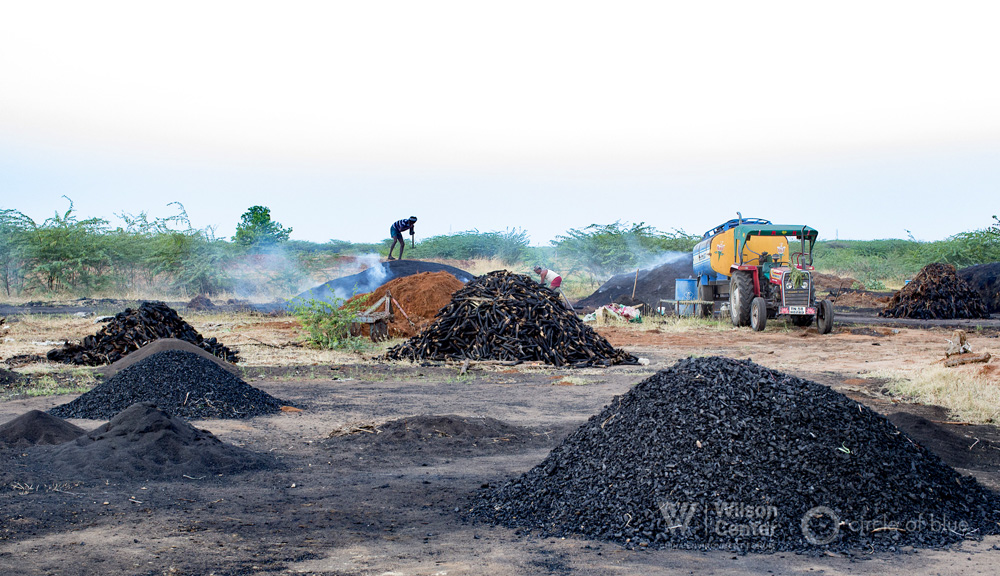
›VILAMBUR, India – The mammoth coal-fired Cheyyur electrical station was first imagined by bankers at India’s Power Finance Corporation and senior engineers across town at the Central Electric Authority. That was in 2005, when the country was rich in fossil fuel resources and desperate for electric power. Though India mined more coal than almost any other country, endemic blackouts and brownouts enfeebled its economic prospects.
-
Advancing U.S. Prosperity and Security in a Thirsty World
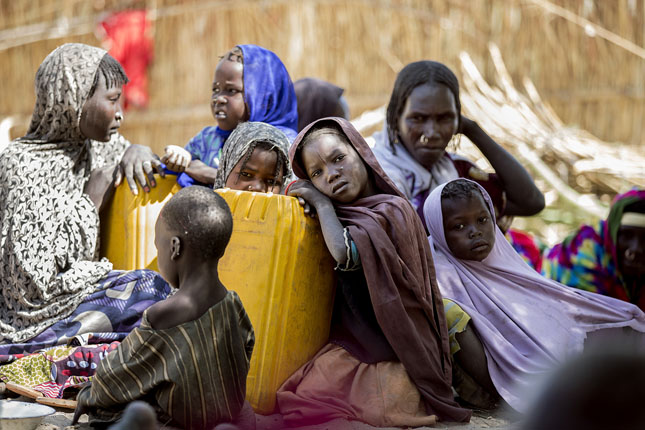
›The waters of Lake Chad sustain 70 million people in four countries. Beginning in the 1970s, the 25,000-square-kilometer lake began shrinking due to excessive drawdown for agriculture and mining. Now only 10 percent remains. The dwindling water supply devastated food production and fostered massive economic and political tensions. Many experts credit the worsening conditions for contributing to the rise of Boko Haram, an extremist group that has killed 20,000 people and forced 2.3 million more to flee.
-
Afghanistan’s Water Plans Complicated by Worried Neighbors
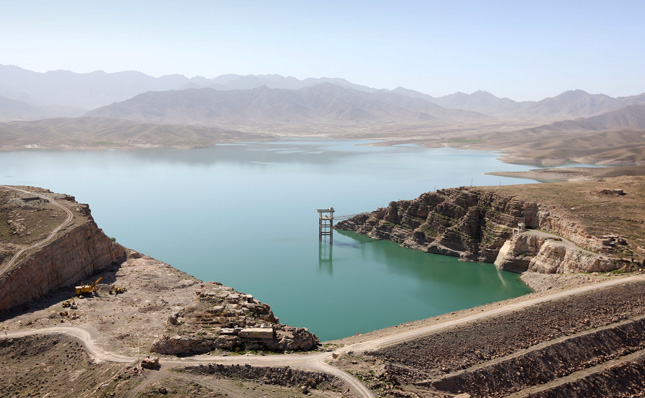
›More than 40 years ago, the Soviet Union attempted to harness hydropower to modernize Afghanistan. Between 1960 and 1968, they poured money and technical knowledge into the 100-meter Naghlu gravity dam outside Kabul and a village for its workers called Sharnak. Although the town has been damaged and the boons of modernity remain elusive for many Afghans, the dam remains a crucial source of power for the capital and is the largest power plant in the country with an installed capacity of 100 megawatts.
-
Backdraft #4: Edward Carr on Climate Response, Motivations, and the Value of Ethnographic Research
›Unintended consequences from climate interventions are often the result of not understanding decision-making at a granular enough level, says Edward Carr in this week’s “Backdraft” episode. -
A Journalists’ Guide to Energy and the Environment in 2017
›“Turbulent and possibly revolutionary times are ahead for U.S. energy and environmental policy,” said Bobby Magill, a senior science writer at Climate Central, at the Wilson Center on February 3. “If there’s one message the Trump Administration is sending about environmental and climate regulations, it’s this: The future will not look like the past.”
Showing posts from category agriculture.


 Unintended consequences from climate interventions are often the result of not understanding decision-making at a granular enough level, says Edward Carr in this week’s “