-
Climate and Human Change in Biodiversity Hotspots, and Assessing the Tradeoffs of Bolivia’s Quinoa Craze
› In a recent article published in PLOS ONE, Juliann E. Aukema, Narcisa G. Pricope, Gregory J. Husak, and David Lopez-Carr address the impacts of climate change and population growth on areas with vulnerable ecosystem services and biodiversity, and in reverse, how degraded ecosystem services effect vulnerable populations. The authors analyze locations between 50 degrees latitude north and south that had changing precipitation patterns in the past 30 years.
 -
Are We Headed Toward “Recurring Storms” of Global Food Insecurity?
›February 27, 2017 // By Erica Martin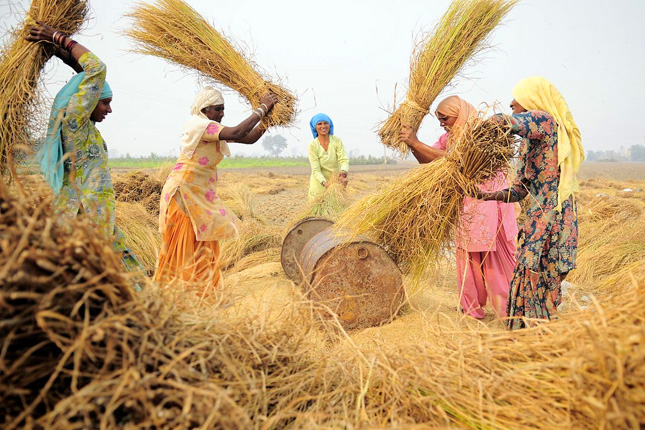
It’s often assumed that in the modern era, food security is an achievable goal. But between 2007 and 2008, a confluence of conditions shook the international food system to its core, fueling unrest and riots in more than 40 nations around the world. What’s more, this “perfect storm” may have been only a harbinger of challenges to come, according to a new report by Emmy Simmons of the Center for Strategic and International Studies (CSIS).
-
Richard Choularton on 3 Steps to Avert the Famines We See Coming
›There has been great progress in anticipating famines in recent years, with most predicted six or more months ahead of time, says Richard Choularton, senior associate for food security and climate change at Tetra Tech, in this week’s podcast. But action to address their humanitarian impacts has lagged. Responses need to be more consistent and faster, he says, happening “almost without human intervention.” -
Insights on Ending Famine and Creating Food Security in a Changing World
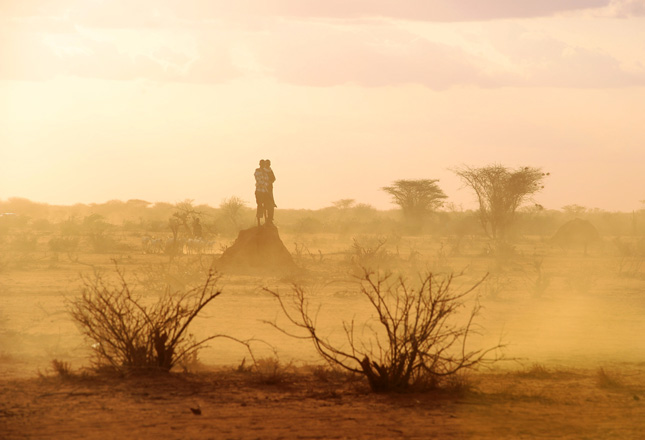
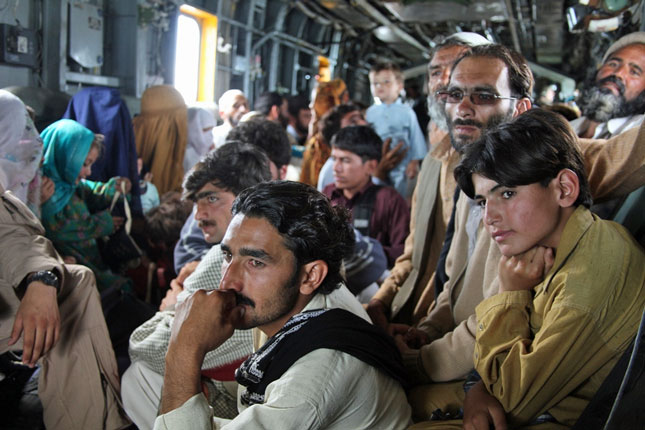
›The effects of climate change combined with breakdowns in governance are leading to food insecurity “on a scale that we’ve rarely seen,” said Alex de Sherbinin, associate director of Columbia University’s Center for International Earth Science Information Network, at the Wilson Center on January 26.
-
Reaching Accord on Land Grabs, and Household Perceptions of Climate-Conflict Vulnerability
›Large-scale land acquisitions, otherwise known as “land grabbing,” are often believed to lead to resistance from affected local communities. According to an article by Ruth Hall et al. in The Journal of Peasant Studies, however, “political reactions ‘from below’ to global land grabbing have been vastly more varied and complex than is usually assumed.” -
With New Analytics, a Vision of Alternative Futures for Uganda
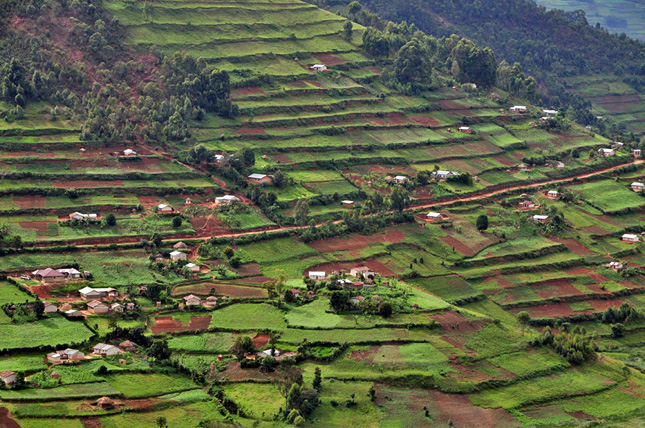
›Since becoming an independent nation in 1962, Uganda has struggled with high rates of poverty, regional and international conflict, and both endemic and epidemic disease outbreaks, particularly HIV/AIDS. In recent years, though, it has become a key partner of the United States. The U.S. government provides foreign assistance to improve the lives of Ugandans but also to advance stability in the East Africa region generally, with the bulk of these programs administered by the U.S. Agency for International Development (USAID).
-
Introducing “Choke Point: Tamil Nadu,” a Look Inside One Indian State’s Struggle With Severe Water Stress
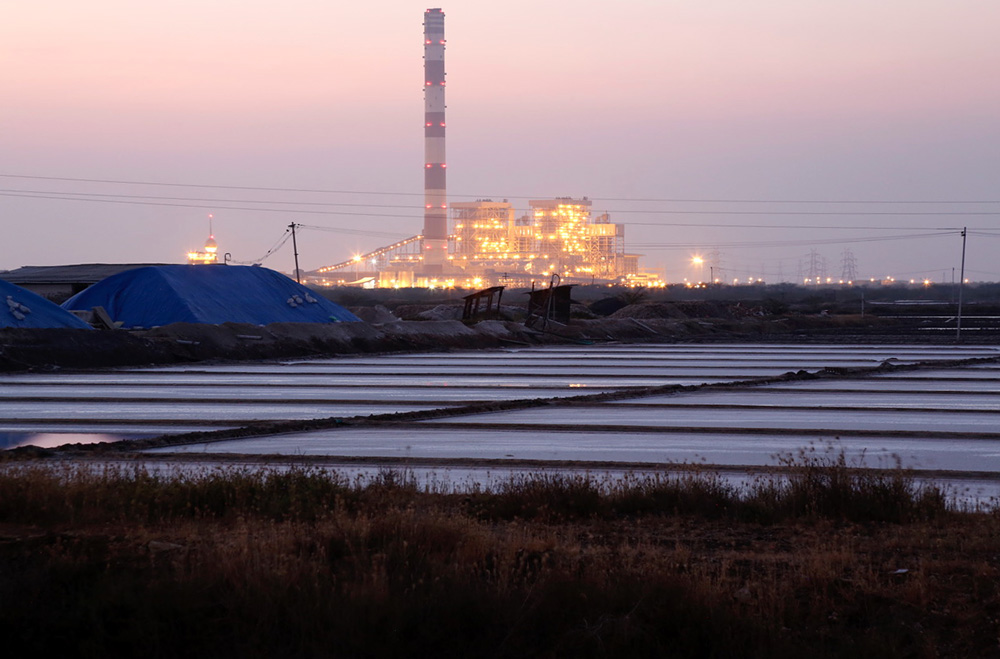
›TUTICORIN, India – Among the 75 government agencies that manage and regulate this bewitching and often impassioned nation, there is no Ministry of the Future. There should be.
-
Building a Locus of Control: Protecting Yourself From “Climate Trauma”
›January 23, 2017 // By Lynae BresserWith countries declaring drought emergencies and islands facing inundation, it can be difficult to turn away from the big picture when it comes to climate change. If we are to build a climate-resilient society, though, we must look to resilience at its origins, says one group of experts: the individual.
Showing posts from category agriculture.
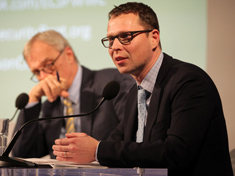 There has been great progress in anticipating famines in recent years, with most predicted six or more months ahead of time, says Richard Choularton, senior associate for food security and climate change at Tetra Tech, in this week’s podcast. But action to address their humanitarian impacts has lagged. Responses need to be more consistent and faster, he says, happening “almost without human intervention.”