-
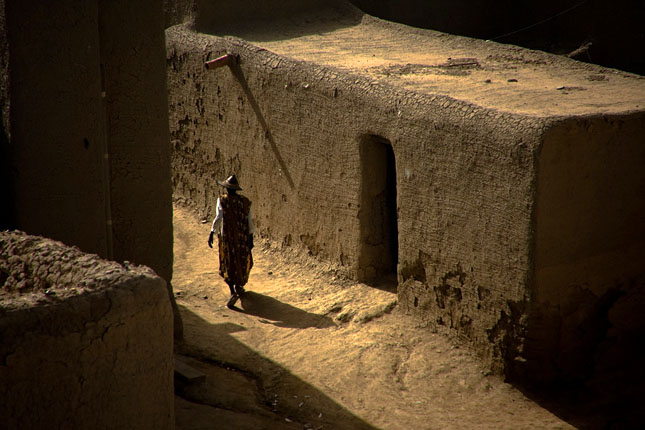
Christophe Angely on Overcoming Pessimism for the Sahel
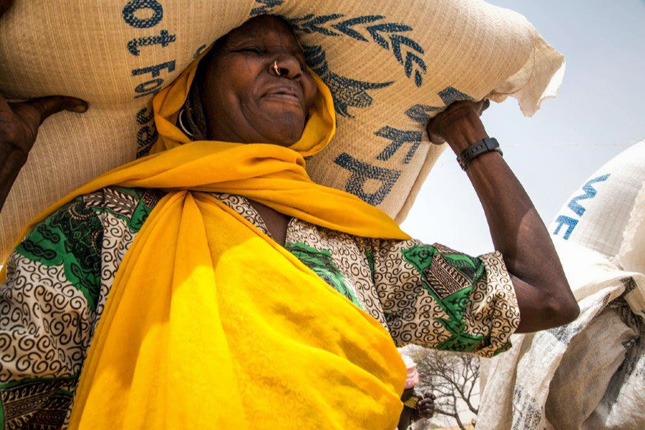
› The Sahel region of Africa is a wide band that marks the transition from the Sahara Desert in the north to the wetter, sub-tropical regions in the south. The Sahelian countries have some of the most rapidly growing populations in the world and have faced significant environmental change over the past century. In recent years, insurgencies have surged in several countries, new terrorist groups have become active, there have been several droughts, and migration has increased.
 -
The Right to Life and Water: Drought and Turmoil for Coke and Pepsi in Tamil Nadu
›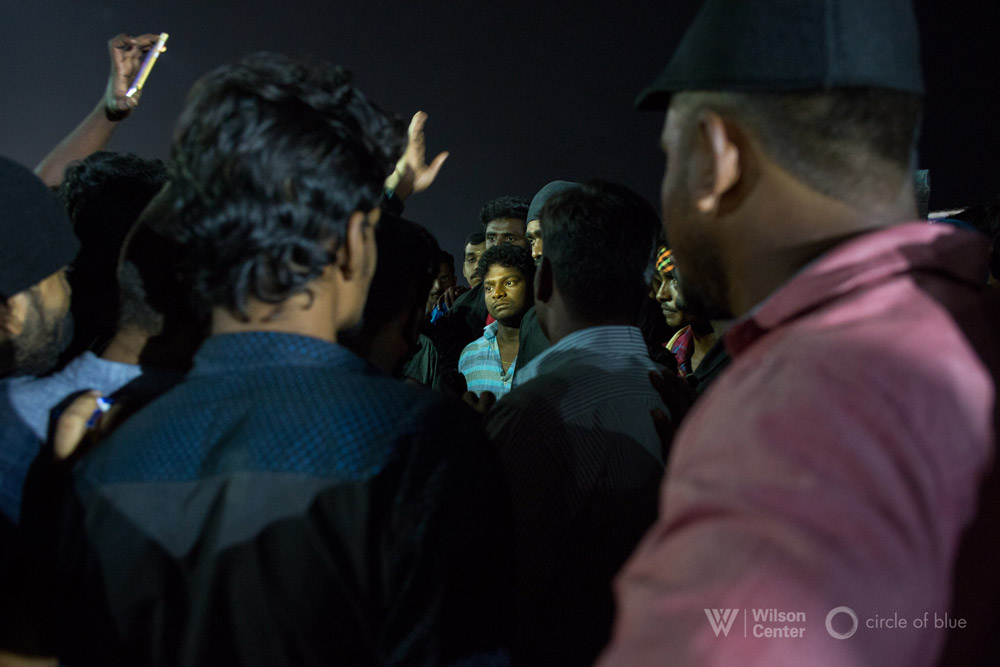
TIRUNELVELI, India – Just after dusk on a warm mid-January evening, attorney DA Prabakar greeted several visitors on the dimly lit street in front of his home here in southern India. The air was desert-dry and dusty in this rain-scarce river city.
-
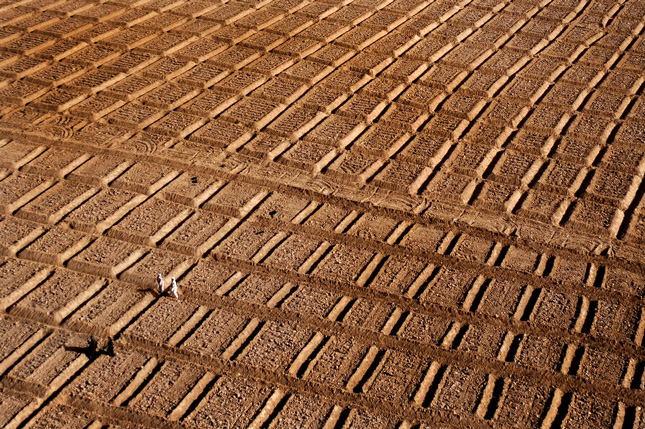
Food Access and the Logic of Violence During Civil War
›In 1981, Nobel Laureate Amartya Sen noted that “starvation is the characteristic of some people not having enough food to eat. It is not the characteristic of there being not enough food to eat.” Sen was referring to the idea that hunger is not always related to food supply; even in places where ample food exists, many people do not have regular access to it. Yet, more than three decades later, research into the effects of agriculture on armed conflict is still focused much more on the former than the latter.
-
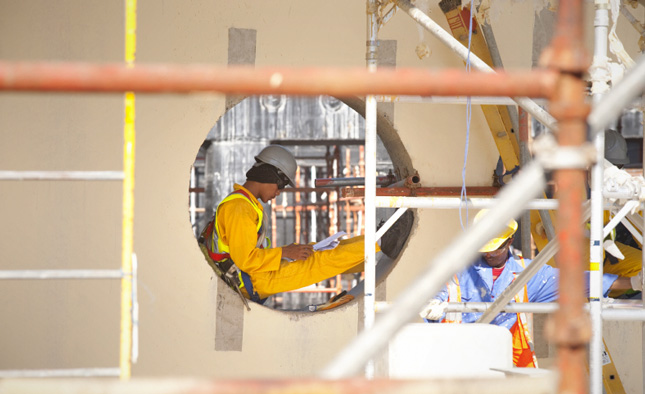
A Changing Environment Threatens Worker Safety and Productivity
›May 11, 2017 // By Sara MerkenThe implications for a warmer climate are many, but perhaps one of the most frequently overlooked is what it could mean for worker safety and productivity in certain sectors of the global economy.
-
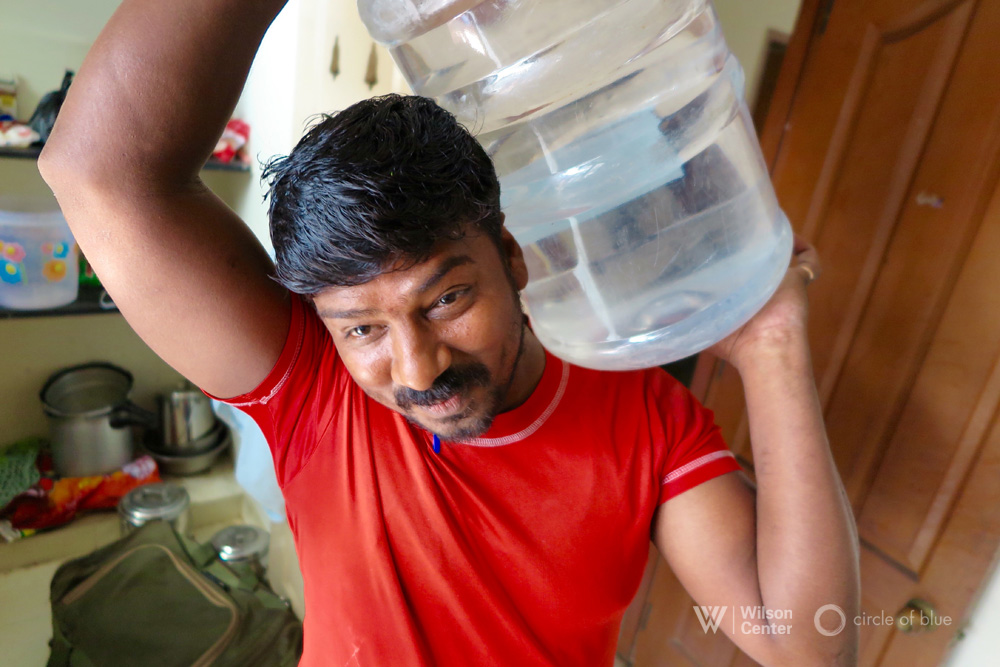
In City Under Stress, Chennai’s Water Bottlers Build a Thriving Business
›CHENNAI, India – T. Rajan tried all manner of entrepreneurial enterprises. He sold scrap paper and cardboard to recyclers. He built a street corner chai and cigarette cart, and repaired truck and bus tires. He started an office cleaning service for high-tech companies in the growing IT sector south of the city center. None of these delivered the financial returns and workday flexibility of selling clear, sky blue, 20-liter water “cans” in Chennai’s immense bottled water industry.
-
Fertile Ground? Climate Change and Jihadism in Mali
›The epicenter of violence in the unstable country of Mali has historically been in the north, a contested region from where Touareg separatist and jihadist armed groups launched an insurgency against the state in 2012. But over the last two years, there has been a marked shift in communal and anti-state violence to the central region, and climate change may have played a role.
-
Climate-Induced Migration in the Philippines, and Mercy Corps’ Resilience Work in Ethiopia
›Recent rises in temperature and typhoon frequency and intensity have resulted in more internal migration in the Philippines, according to an article by Pratikshya Bohra-Mishra et al. in Population and Environment. The authors conclude that temperature change and natural disasters, such as typhoons, can have a significant effect on short-distance, sub-national migration because they reduce rice yields, which is used as a proxy for agricultural productivity. -
Violence and Water Scarcity Threaten Historic Quadruple Famine
›An international food crisis is currently unfolding on a scale not seen since World War II. More than 20 million people in Somalia, Nigeria, South Sudan, and Yemen are in danger of famine. UN Under-Secretary-General and Emergency Relief Coordinator Stephen O’Brien said in March, “We are facing the largest humanitarian crisis since the creation of the United Nations.”
Showing posts from category agriculture.
 The Sahel region of Africa is a wide band that marks the transition from the Sahara Desert in the north to the wetter, sub-tropical regions in the south. The Sahelian countries have some of the most rapidly growing populations in the world and have faced