-
The Struggle Against Plastic Choking the Mekong
›China Environment Forum // Guest Contributor // Vulnerable Deltas // December 19, 2024 // By Anton L Delgado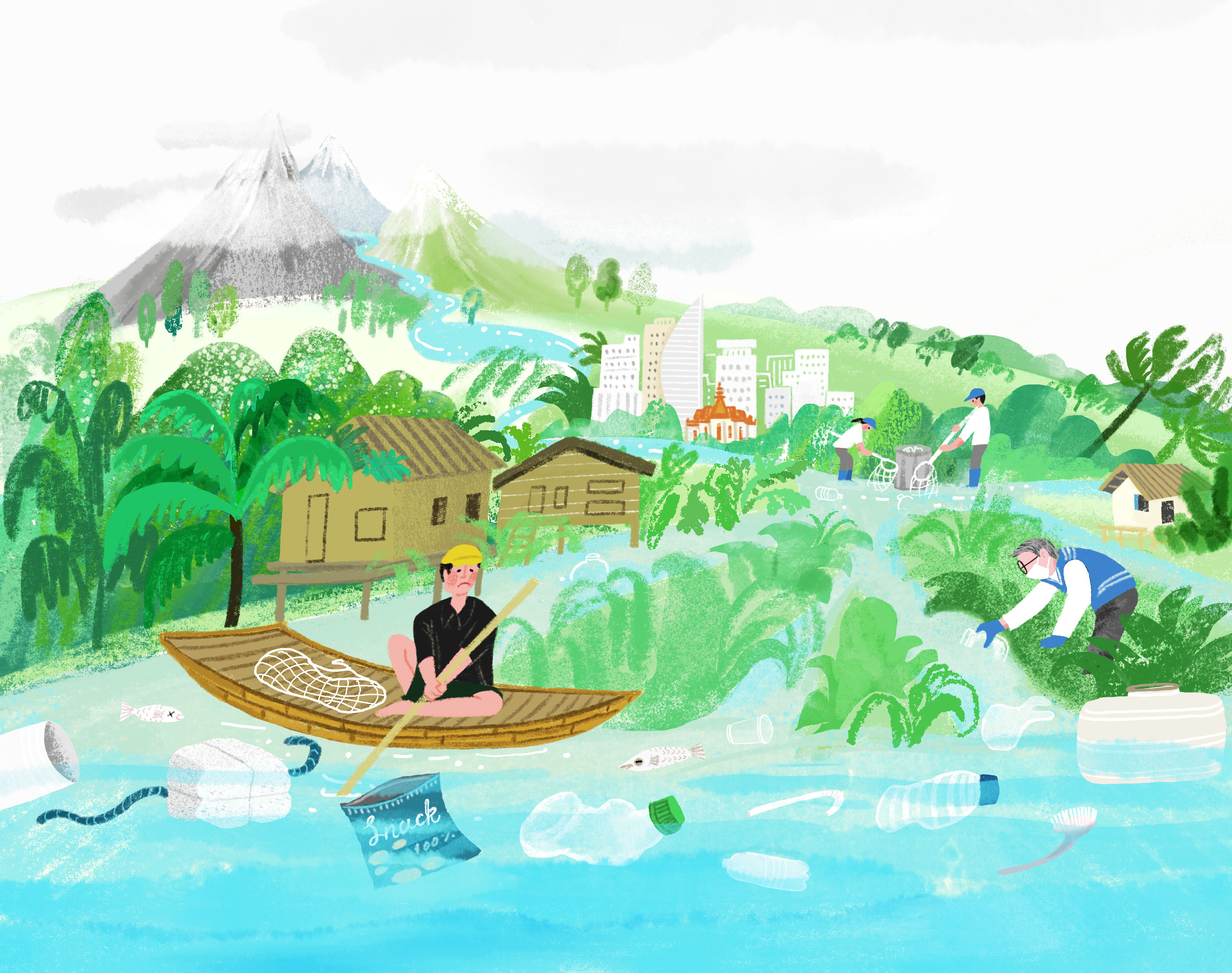
On Son Island in Vietnam’s Mekong Delta, Le Trung Tin scatters fish feed into his ponds, where dozens of snakehead fish leap through the surface in synchronised bursts. “I taught them how to do that,” he says proudly, tossing another handful of feed at his fish.
The scene looks idyllic, but Le’s fish farm is a reluctant response to an escalating crisis. For decades, he made his living fishing the Hau River, a distributary of the Mekong. But in recent years, plastic waste clogged his nets and strangled the fish. “I had no choice but to stop,” he says. “Everything was tangled – trash, nets, even the fish themselves. It was hopeless.”
-
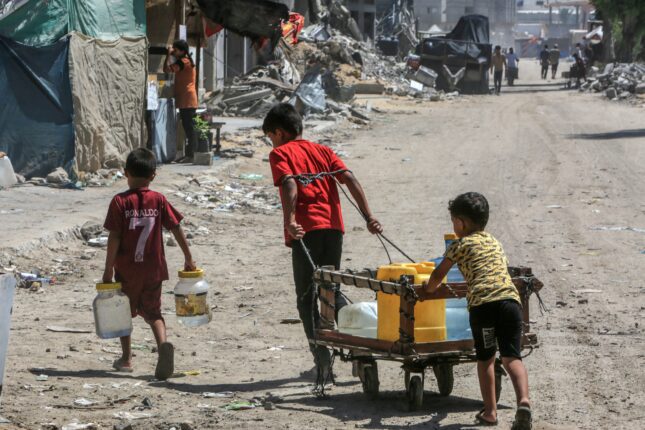
War and Climate Change Intensify Global Water-related Conflicts
›
The Pacific Institute recently updated its Water Conflict Chronology—a database of water-conflict events that began to take form in the 1980s. The recent updates include the addition of 300 new entries to the database, highlighting the alarming rise of water-related conflicts in the last few years. Despite this overwhelming evidence of a growing trend in water-related conflicts, global attention toward addressing them remains negligible.
-
ECSP Weekly Watch | July 15 – 19
›A window into what we are reading at the Wilson Center’s Environmental Change and Security Program
Shedding Light on Imperial Oil’s Dark Waters (Mongabay)
Canada has the fourth-largest tar sands (oil deposits) in the world. Separating the bitumen used in industries and construction creates large volumes of toxic wastewater, which is stored in tailings ponds that now cover a staggering 270 square kilometers. Unresolved infrastructure mishaps at one such site in Alberta operated by Imperial Oil means that contaminants have polluted nearby waters so significantly that it has affected public health and the livelihoods of indigenous communities in downstream areas.
-
ECSP Weekly Watch | June 24 – 28
›A window into what we are reading at the Wilson Center’s Environmental Change and Security Program
Renewable Energy Needs a Social Vision (Mongabay)
The Zapotec of the Isthmus of Tehuantepec have accused energy giant EDF (Électricité de France) of causing human rights abuses while building wind farms in Oaxaca state. They also claim the company intimidated and harassed social movements who opposed this construction on their ancestral lands. The Zapotec are indigenous peoples of Mexico who call themselves Bën Za or “The People”—and after three years of struggle and stalling tactics by EDF’s legal representatives, French courts have authorized their civil case filing at last.
-
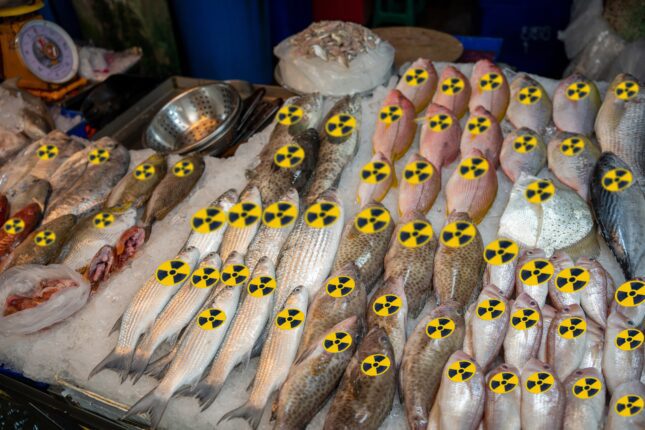
“Radioactive Fish” and Geopolitics: Economic Coercion and China-Japan Relations
›On the same day Japan began wastewater releases from the Fukushima nuclear power plant in late August 2023, the website of China’s customs agency announced the country would “completely suspend the import of aquatic products originating from Japan.”
-
Building Back China’s Great Wetland Wall: Q&A with Paulson Institute Wetland Team
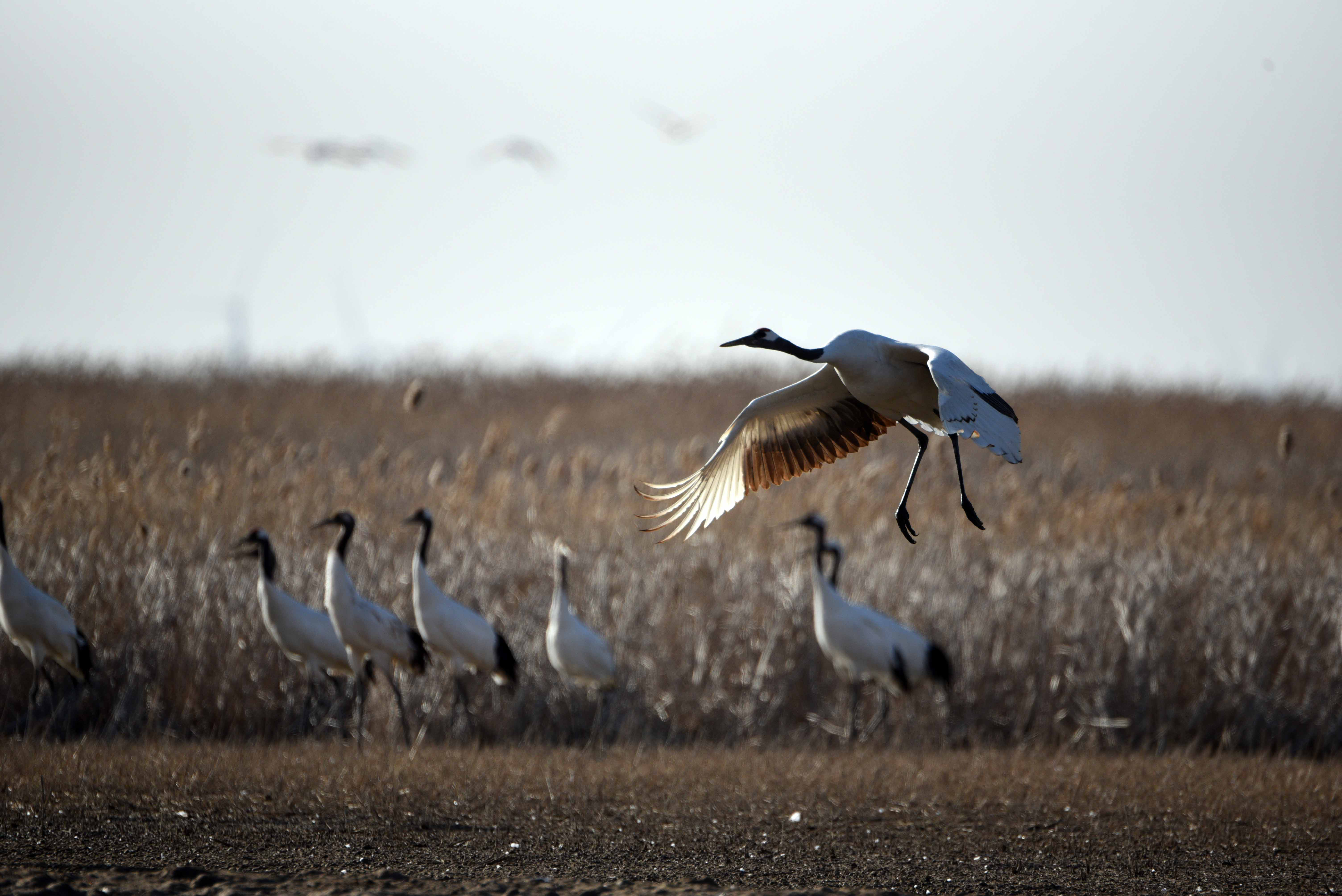
›Known as “Earth’s kidneys,” wetlands provide a variety of ecological benefits: habitats for diverse species, flood containment, pollutant purification, and carbon absorption. But in China, wetland loss and degradation has exposed people to the whims of climate change. What has China done to protect its wetlands, and how should the country better adapt to climate change with wetlands—a “Great Wall” made of mudflats, mangroves, and waterbirds? Jianbin Shi and Xiaojing Gan, two China-based wetland experts from the Paulson Institute, may enlighten us.
-
No Water, No Food – Glacier Loss Threatens US and Chinese Agriculture
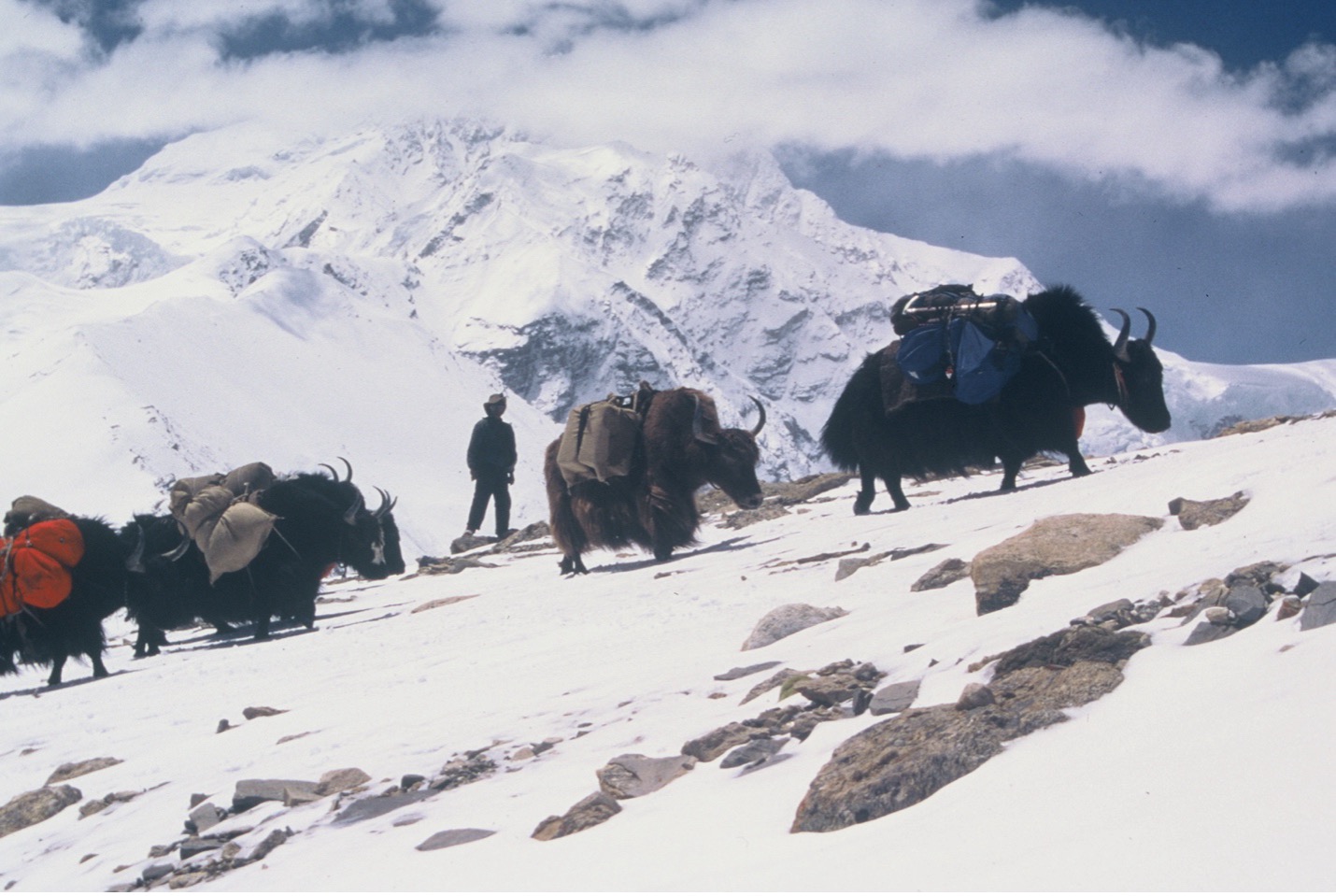
›Picture this: A parade of yaks carrying insulated boxes containing meter-long ice core samples from Tibetan glaciers. “Yaks are like cats,” elite glacier scientist Lonnie Thompson explained in a 2023 Wilson Center webinar. They like to wander off — and it takes experienced Tibetan yak herders to keep them moving in the same direction.
Yet these yak-schlepped ice cores are essential to climate science, added Ellen Mosely Thompson. They store thousands of years of atmospheric dust and gasses in distinct layers and serve as a record of our changing climate.
-
Seeing Beyond Seafood: The 114°E Hong Kong Reef Fish Survey
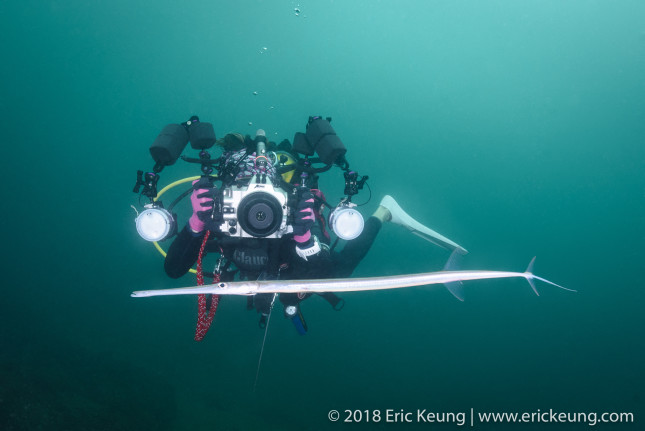
›Dazzling skyscrapers, kung-fu movies, and live seafood restaurants are what people think of when they contemplate small and densely populated Hong Kong. So, it is a shame that we rarely talk about Hong Kong’s “wilder” side—such as the approximately 40 percent of our land area that is designated as country parks, or the more than 200 offshore islands that include sites of the Hong Kong UNESCO Global Geopark.
Showing posts with tag Water.
Show all posts