-
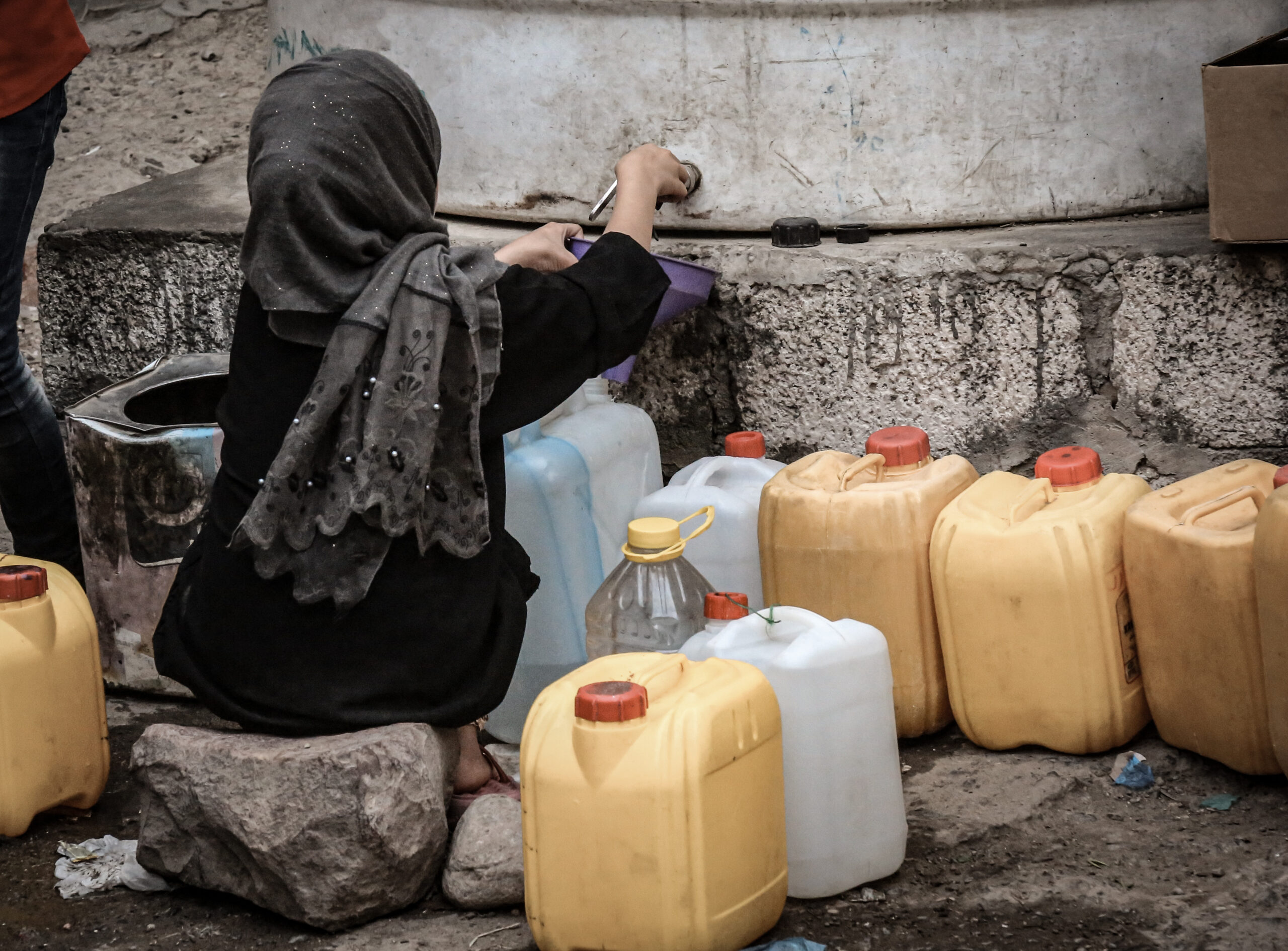
Water Conflicts Surge Globally: Peter Gleick on Rising Threats
›December 4, 2025 // By Madelyn MacMurray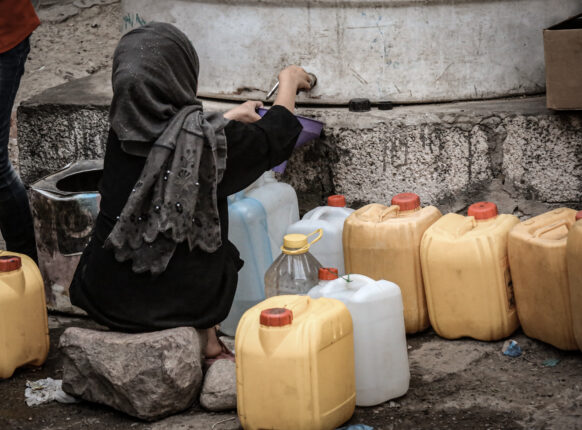
Events over this past year have made water’s role in global conflicts increasingly salient. India threatened to restrict water flows to Pakistan in response to cross-border terrorism. Cyberattacks targeted water facilities across the United States and United Kingdom. And water infrastructure became a deliberate casualty in conflict zones from Ukraine to Gaza.
-
Environmental Security Weekly Watch: November 17-21, 2025
›November 21, 2025 // By Madelyn MacMurray
A window into what we’re reading at the Stimson Center’s Environmental Security Program
As COP30 Concludes, Experts Call for Reform (Reuters)
Interviews with experts attending COP30 highlight a growing movement for reform to the UN climate negotiations. In particular, there is alignment on a key critique of the current COP structure which calls for a full consensus of nearly 200 countries to make decisions. Since this requirement historically has allowed more ambitious efforts to be blocked during negotiations, suggestions for reform have included the following: a shift to a majority-vote model, holding COP every other year, convening smaller action-focused gatherings, and downsizing COP to exclude big business contingents.
-
Shall We Ask ChatGPT About Water During Negotiation?
›November 17, 2025 // By Kyungmee KimArtificial Intelligence (AI) has the potential to reshape how data and knowledge are produced, shared, and used in transboundary water negotiations, but it also risks entrenching political imbalances, deepening mistrust, and displacing the need for genuine cooperation.
-
Closing the Climate Finance Gap in Fragile States
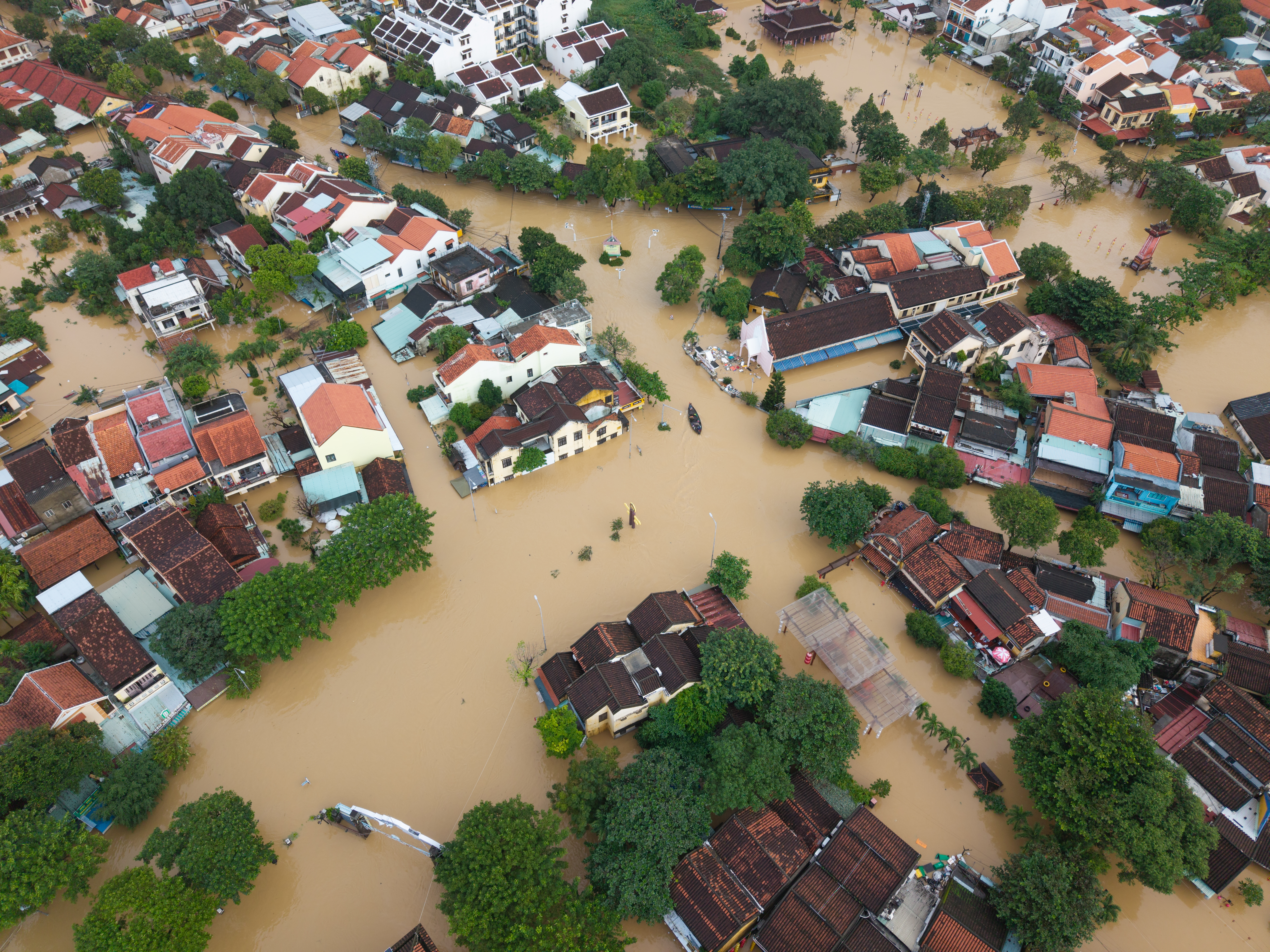
›November 11, 2025 // By Madelyn MacMurrayA massive flood in Somalia killed hundreds of people, and displaced tens of thousands more. Yet the survivors faced a vexing prospect when they tried to return home: Al-Shabab had moved in.
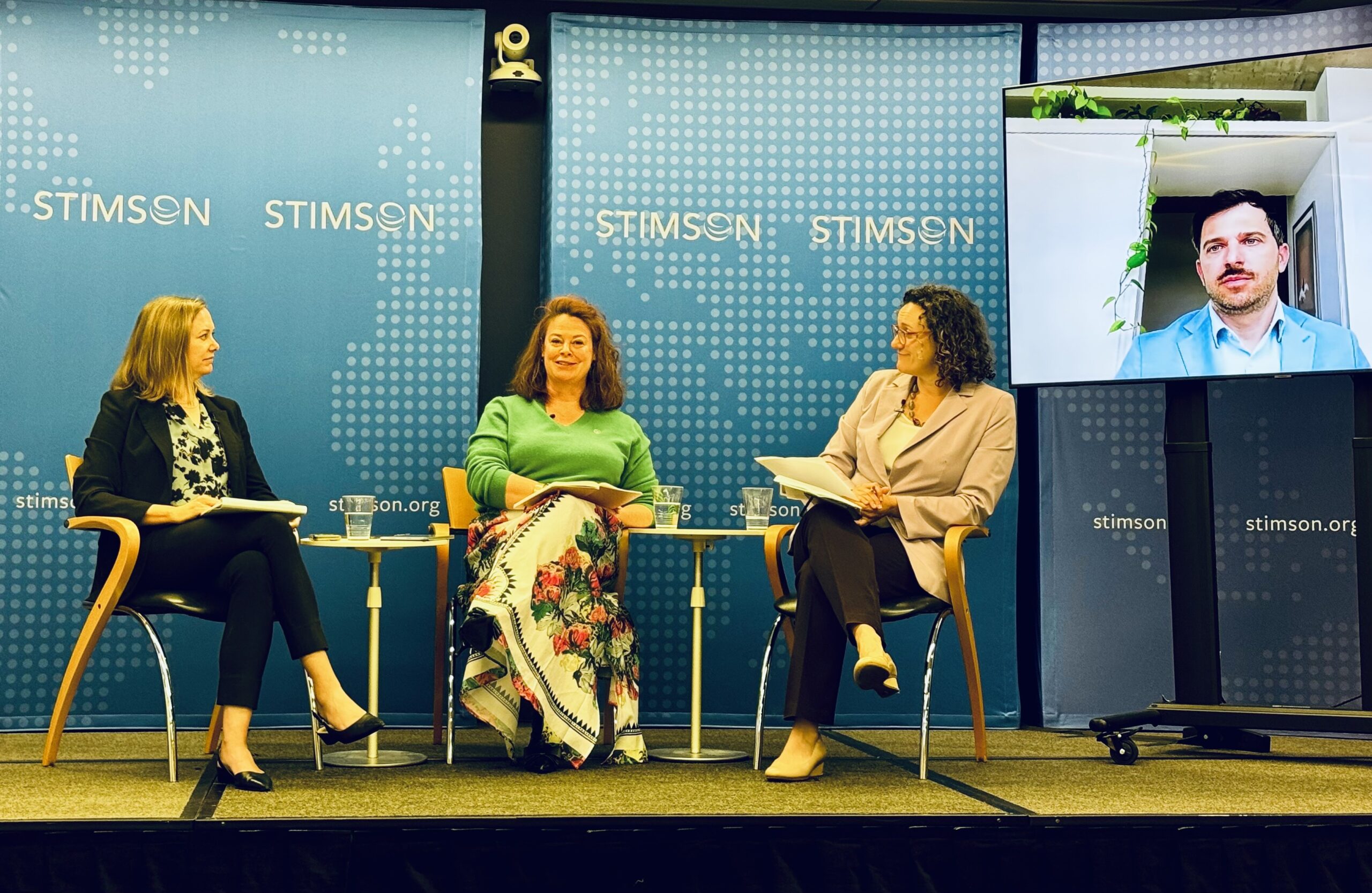
Stephanie Speck, Head of Special Initiatives at the Green Climate Fund, observed at a recent Stimson Center event that Shabab’s new levies meant that residents could not to move back to farm their land.
-
Environmental Security Weekly Watch: November 3-7, 2025
›A window into what we’re reading at the Stimson Center’s Environmental Security Program
Corruption Stymies Environmental Crime Fight in the Amazon (Mongabay)
In the Andean Republics, rampant systemic judicial corruption has challenged the entire justice system, with judges implicated in both bribery and extortion. Because leadership from judges is essential for the success of reform efforts ranging from anti-corruption campaigns to environmental crime enforcement, the result has been damaging to the entire justice system in the region for more than a decade.
-
Climate Insecurity Comes for Europe
›October 30, 2025 // By Peter SchwartzsteinWhen we look at climate-related insecurity, it’s usually in the context of poorer parts of the planet. And there’s generally good reason for that focus. Regions such as the Sahel and the Middle East are where the most––and worst––conflict of this nature plays out. And, for the most part, poorer countries are also the places least equipped to manage climate impacts and their effects on stability.
-
Environmental Security Weekly Watch: September 15-19, 2025
›A window into what we’re reading in the Stimson Center’s Environmental Security Program
Mexico’s Mercury Boom is Poisoning People and the Environment (Associated Press)
In Mexico’s Sierra Gorda mountains, soaring international gold prices also have created a mercury boom. Since 2011, mercury prices have skyrocketed from $20 per kilogram to between $240 and $350 per kilogram today. Most of Mexico’s mercury is trafficked to Colombia, Bolivia, and Peru for use in illegal Amazon gold mining operations that contaminate rivers and ecosystems. Yet the country’s adoption of a 2017 UN convention banning mercury mining and exports also allows artisanal mines to operate until 2032.
-
Environmental Security Weekly Watch: September 1-5, 2025
›A window into what we’re reading at the Stimson Center’s Environmental Security Program
Chinese Company Accused of Covering Up Extent of Major Toxic Mining Spill in Zambia (Associated Press)
In February, a dam collapse at Chinese-owned Sino-Metals Leach Zambia copper mine released toxic waste into the Kafue River, which provides water for over half of Zambia’s 21 million people. An independent investigation by South African company Drizit found that 1.5 million tons of toxic material were released in the spill, which is 30 times more than Sino-Metals admitted to spilling. When Drizit’s investigation was set to reveal extensive contamination verified through 3,500 samples, Sino-Metals terminated their contract one day before the final report was due.
Showing posts with tag Water.
Show all posts