-
Environmental Security Weekly Watch: May 11-15, 2026
›
A window into what we’re reading at the Stimson Center’s Environmental Security Program
AI Energy Demand Outpaces Its Climate Solutions (Eco-Business)
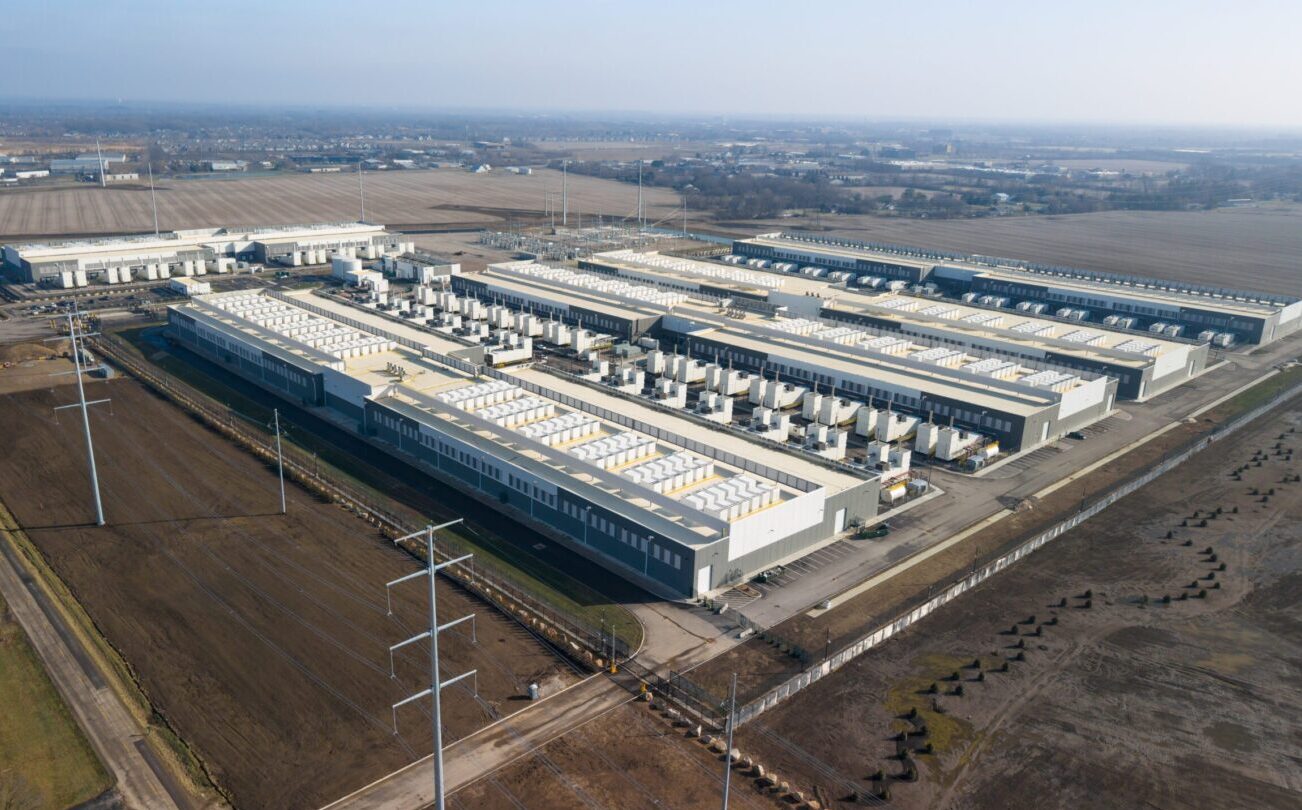
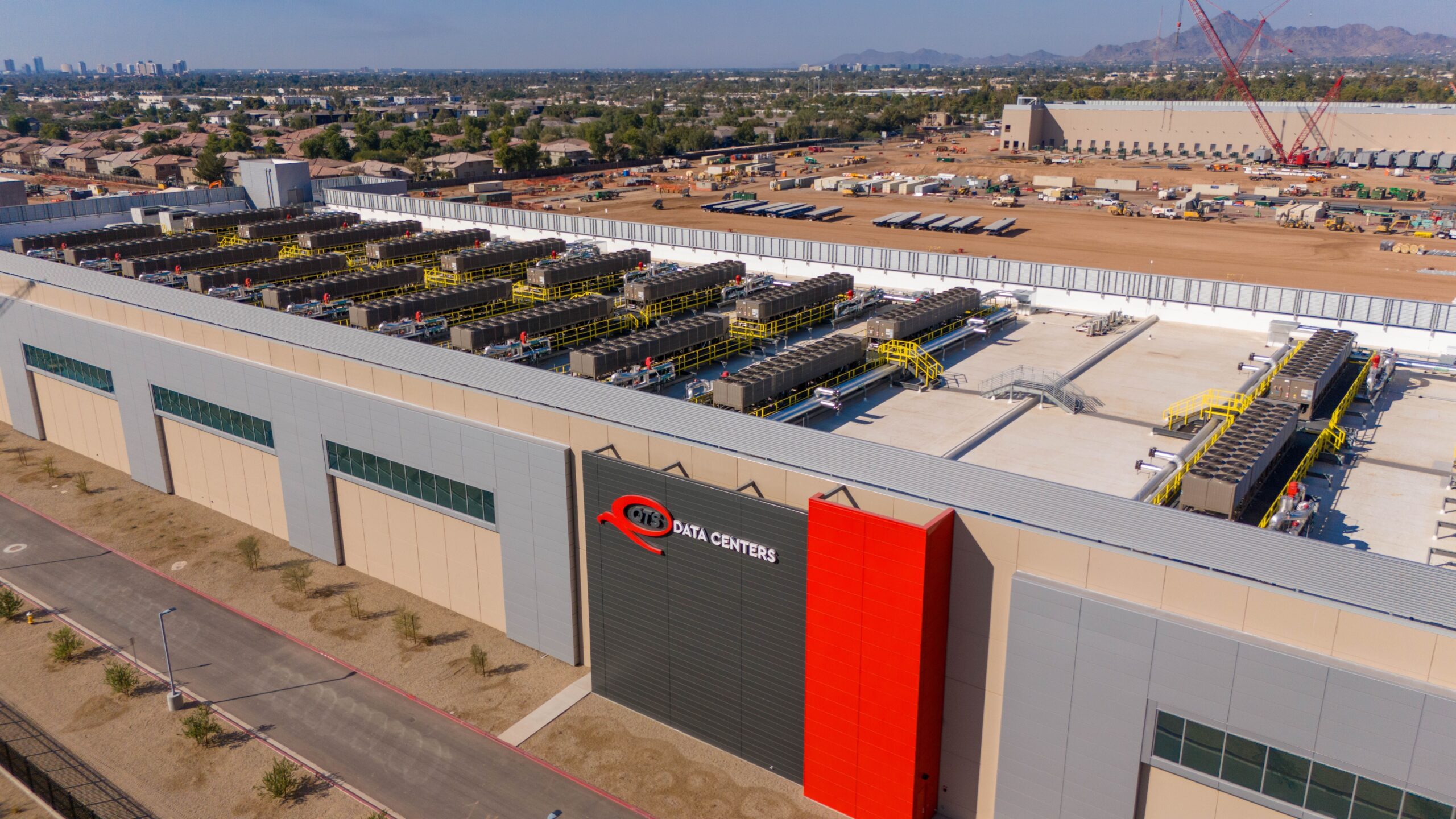
A new International Energy Agency report finds that AI’s significant promise in improving energy efficiency and grid reliability may not match the energy sector’s inability to keep pace with the explosive growth of AI’s physical infrastructure.
-
AI’s Environmental Footprint is a Gendered Security Risk
›
The infrastructure powering artificial intelligence (AI) has become both a political flashpoint and a signal for strategic warfare with significant military, geopolitical, and international security implications. Climate change is a “threat multiplier” that exacerbates fragility. The collision of these two forces is certain to create immediate and long-term impacts. AI’s environmental footprint risks externalizing environmental costs onto poorer countries– and the communities within them–that supply critical minerals, water resources, and host energy-intensive infrastructure, deepening ecological, economic, and social inequalities. Over the long run, it may also undermine long-term climate resilience and global stability
-
Protecting Water in the Mining Rush: A World Water Day Panel
›From Zambia to Indonesia, recent headlines about catastrophic toxic mining spills grimly underscore how the global push to secure one set of resources, critical minerals, might be compromising another: water.
“This isn’t just an environmental story,” said Lauren Risi, Director of the Stimson Center’s Environmental Security Program, at a recent event on protecting water resources amid increasing mining, held ahead of World Water Day 2026. “For many of these communities, the water being put at risk is their source of drinking water. It’s critical to subsistence farming and livelihoods. It sits at the center of daily life. When mining degrades or disrupts access to it, the consequences are immediate and personal,” she said.
-
Environmental Security Weekly Watch: April 6-10, 2026
›A window into what we’re reading at the Stimson Center’s Environmental Security Program
Argentina’s “Glacier Law” Opens Ecologically Sensitive Areas to Mining (Al-Jazeera)
Politicians in Argentina approved a bill pushed by President Javier Milei to authorize mining in ecologically sensitive areas of the nation containing nearly 17,000 glaciers and/or rock glaciers and permafrost which heavily support the country’s water security. Dubbed the “Glacier Law,” the measure is designed to leverage the vast critical mineral reserves (such as copper and lithium) found in frozen parts of the Andes mountains.
-
Environmental Security Weekly Watch: March 3-6, 2026
›A window into what we’re reading at the Stimson Center’s Environmental Security Program
US Pressure Adds to the Suffering in Cuba’s Worst Economic Crisis (The New Humanitarian)
Cuba is on the brink of a total humanitarian collapse as its people bear the brunt of cascading crises driven by the Trump administration’s decision to block Venezuelan oil shipments to the island. It is a crisis compounded by a decades-long US embargo and years of economic mismanagement. The power blackouts which previously lasted for 12 to 14 hours now exceed 20 hours, thus further crippling hospitals, food storage, and water systems. Without new fuel deliveries, the island might reach complete fuel depletion this month amidst its worst economic crisis since the 1930s.
-
Water Cooperation is Under Threat
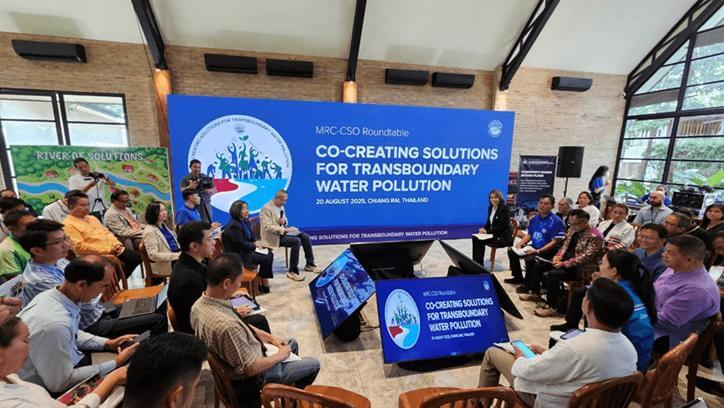
›Rivers, lakes, and aquifers ignore borders and politics, binding countries, people, and ecosystems together. This shared reality has long required cooperation, even among states divided by tensions or conflict. Through technical dialogue, data sharing, and joint institutions, countries have often quietly managed floods, negotiated infrastructure, and protected water quality.
-
Environmental Security Weekly Watch: January 19-23, 2026
›A window into what we’re reading at the Stimson Center’s Environmental Security Program
Community Forests Are the Frontline of a Minerals Race in the DRC (Mongabay)
In the Democratic Republic of Congo’s copper-cobalt belt, local communities are establishing community forest concessions to secure land titles and prevent eviction by mining companies. Sparked by previous displacement incidents, these concessions allow communities to hold up to 50,000 hectares in perpetuity. This region holds approximately 70% of the world’s cobalt reserves, which has attracted intense competition from Chinese companies, the United States, and the DRC state-owned Gécamines to obtain minerals essential to high-tech, weapons, and clean energy industries. Between 2001 and 2024, 1.38 million hectares of tree cover in Lualaba and Haut-Katanga provinces were lost due to mining activities.
-
America’s AI Gamble: How Big Tech is Trading Climate for Hype
›A majority of Americans now say they are more concerned than excited about encountering AI in their daily lives. The implications of this sentiment are beginning to dawn on Wall Street investors, who are starting to worry about a potential mismatch between investor enthusiasm and consumer reality.
Showing posts with tag Water.
Show all posts