-
ECSP Weekly Watch | September 18 – 22
›
A window into what we are reading at the Wilson Center’s Environmental Change and Security Program
Converging Crises: Pakistan Flood Victims Face Rising Hunger
According to FAO, Pakistan ranks among the top-ten world producers of wheat, cotton, sugarcane, and mango—and it is the 10th largest producer of rice. But Pakistan is also atop another world ranking: vulnerability to the impacts of global warming.
-
Building Back China’s Great Wetland Wall: Q&A with Paulson Institute Wetland Team
›
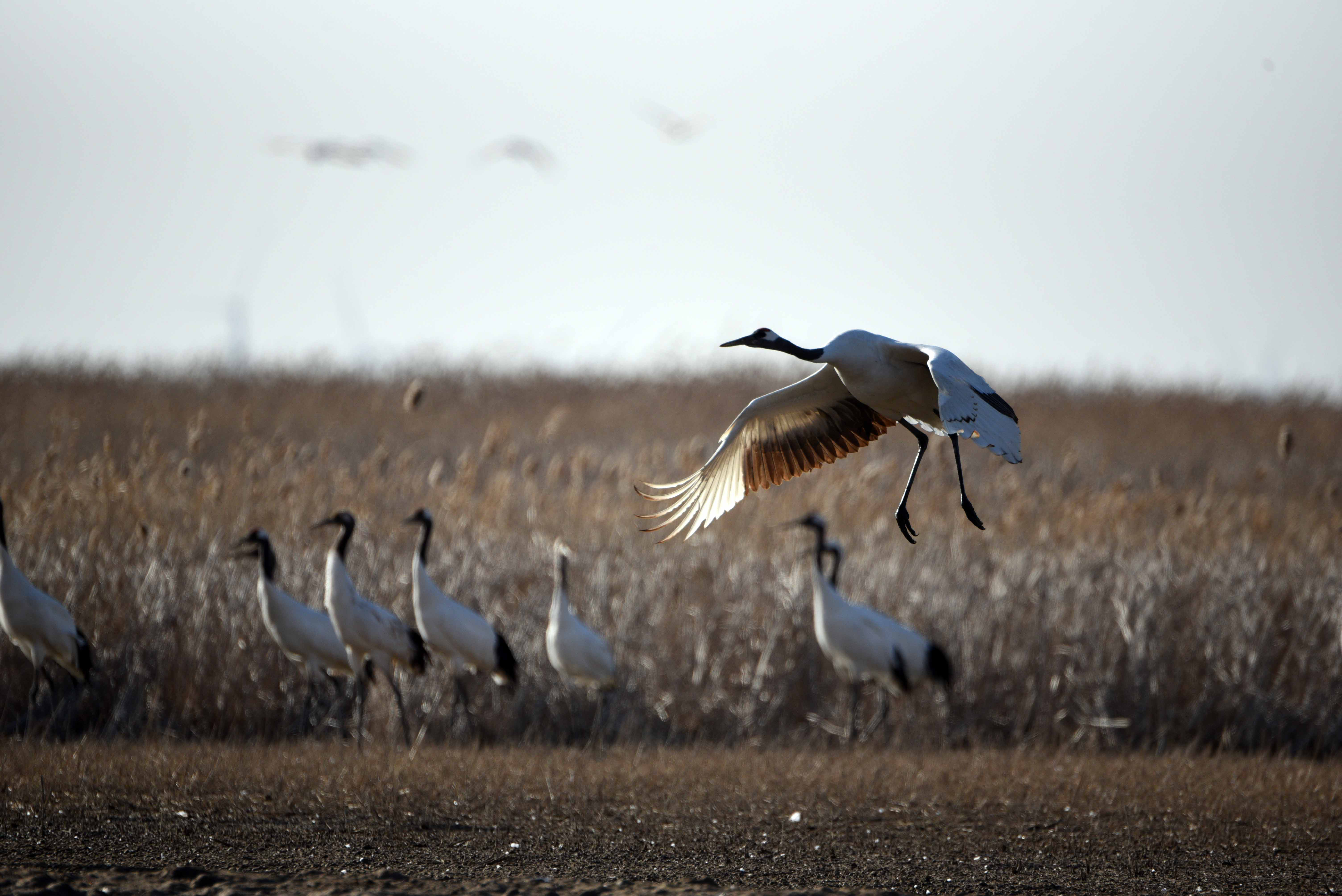
Known as “Earth’s kidneys,” wetlands provide a variety of ecological benefits: habitats for diverse species, flood containment, pollutant purification, and carbon absorption. But in China, wetland loss and degradation has exposed people to the whims of climate change. What has China done to protect its wetlands, and how should the country better adapt to climate change with wetlands—a “Great Wall” made of mudflats, mangroves, and waterbirds? Jianbin Shi and Xiaojing Gan, two China-based wetland experts from the Paulson Institute, may enlighten us.
-
Connecting the Dots: Women, Peace, and Security and Reproductive Health
›It is well established that women’s and girls’ lives are disproportionately affected by humanitarian emergencies—and that these crises often underscore pre-existing discriminatory practices. According to the United Nations Population Fund (UNFPA), women and children account for more than 75 percent of those at risk from war, famine, persecution, and natural disaster. During these emergencies (and in their aftermath), women and girls are exposed to greater threats, such as the loss of livelihoods, education, and security due to displacement and the breakdown of social order.
-
Shifting the Climate Security Narrative: How the Department of Defense Can Lead
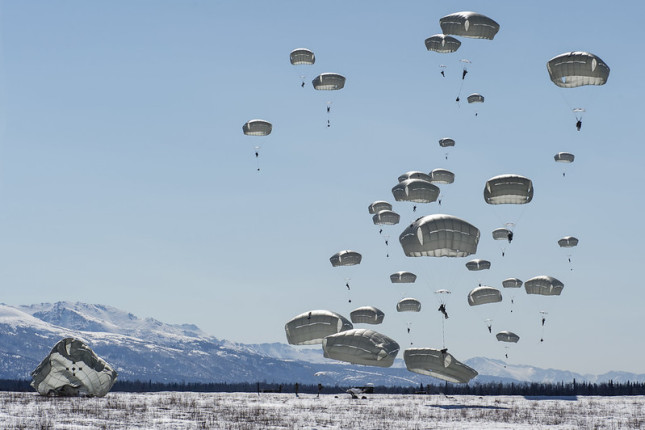
›In 2021, US Defense Secretary Lloyd J. Austin III referred to climate change as an “existential threat”—a term traditionally reserved for nuclear weapons. Yet two years and several strategic plans later, tangible progress to mitigate and prepare for this threat remains elusive, especially on the international scale where the greatest impacts could be realized.
-
ECSP Weekly Watch | September 11 – 15
›A window into what we are reading at the Wilson Center’s Environmental Change and Security Program
Treading Water: Why Were Libya’s Floods So Devastating?
This week’s devastating disasters in Morocco and Libya underscore the cascading effects of environmental shocks (and in the case of Libya, climate-related shocks), as well as the cross-sectoral response needed to comprehensively address the damage.
-
Maternal, Newborn and Child Health: Complementary Investments Are Key
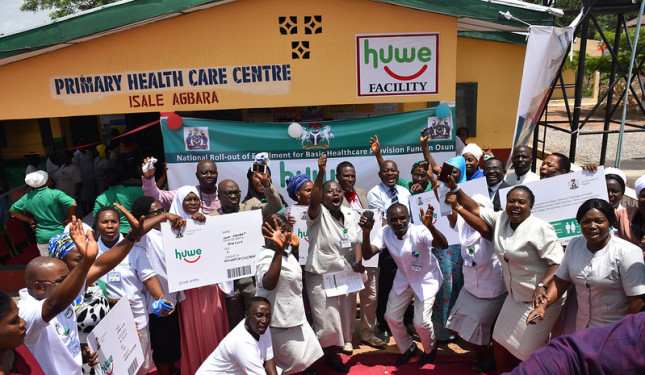
›In 2018, the Lancet Commission on High Quality Health Systems ignited a global shift in focus and investment for maternal, newborn, and child health (MNCH).
Increasing access to care had been a primary focus during previous decades, but the Commission found that as service use increased, “poor-quality care” had become a more significant obstacle to reducing mortality than insufficient access. The Commission also argued that increasing access alone would not achieve Sustainable Development Goal (SDG) 3—ensuring healthy lives and promoting well-being. What the world needed now was an intensified focus on improving quality of care.
-
Climate Adaptation at COP28: Eyes on the Middle East
›When COP28 begins in the United Arab Emirates in late November of this year, the multifaceted connections between climate and conflict are expected to receive greater attention from participants than they have at previous conferences.
While there is scant direct causal evidence to suggest that climate change causes conflict, there is a growing body of information that it can influence the risk of conflict by hurting economies, changing broad patterns of human behavior and movement, and straining social cleavages.
-
ECSP Weekly Watch | September 4 – 8
›A window into what we are reading at the Wilson Center’s Environmental Change and Security Program
Peace and Prosperity in the Sahel: Climate Security is Key
Liptako-Gourma is a landlocked region located on the borders of Burkina Faso, Mali, and Niger. It possesses significant mineral, water, and biodiversity resources, and strategically positioned for both economic opportunities and cultural exchange.
 A Publication of the Stimson Center.