-
Water Weaponization in Libya: A Conversation with Erika Weinthal
›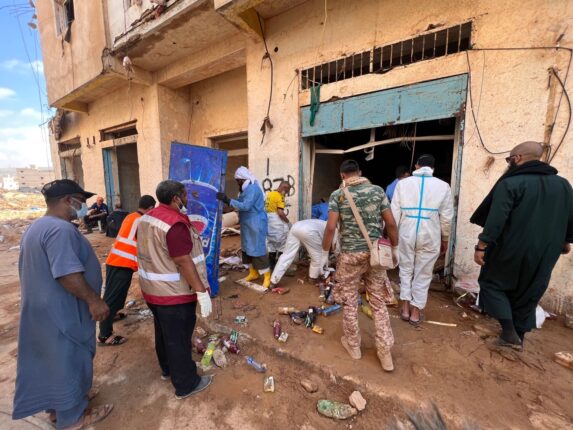
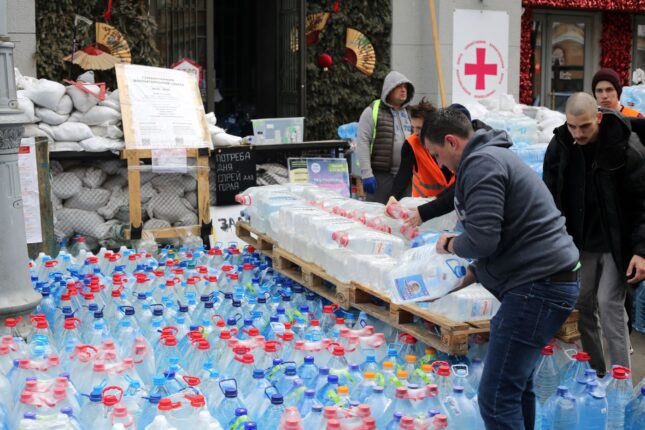
Libya provides a case study for the long-term impacts of water weaponization. After the 2011 overthrow of Libyan leader Muammar al-Gaddafi, the country faced civil conflict related to his succession, including two bloody civil wars in 2011, and then from 2014 to 2020, until a ceasefire took effect in 2020. During this period of long-term instability and isolation, Libya’s water infrastructure deteriorated. Combined with the country’s limited water resources, increased demand, and poor management, water insecurity soared.
-
Water Weaponization in Yemen: A Conversation with Niku Jafarnia
›
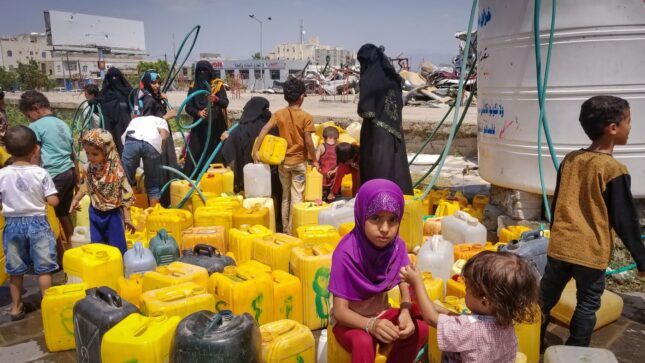
Yemen’s civil war, which began in 2014, has resulted in one of the world’s worst humanitarian crises. The United Nations estimates that 60% of the 377,000 deaths between 2015 and 2022 were attributed to food insecurity and limited access to health services, and two-thirds of the population (21.6 million people) are in desperate need of humanitarian aid. Though a nominal ceasefire has held since 2022, tensions persist, and civilians continue to face the brunt of the conflict.
-
Water Weaponization in Russia and Ukraine: A Conversation with Marcus King
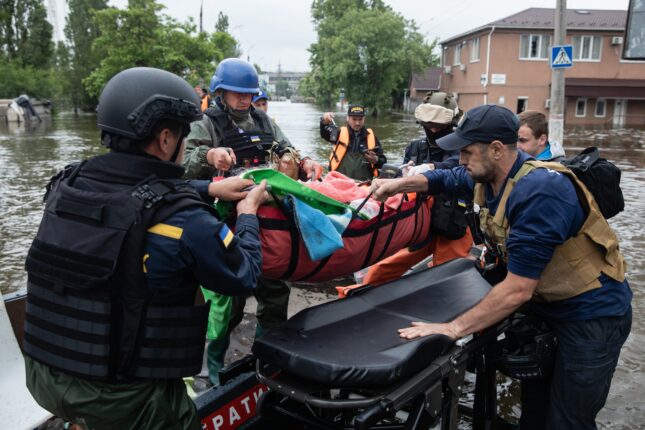
›March 22, 2024 // By Wilson Center StaffRussia’s devastating invasion of Ukraine just over two years ago upset the larger foreign policy conversations surrounding global stability—and Russia’s role in it. Yet the conflict has brought the concept of water weaponization into the spotlight as well, especially after Russia’s destruction of the Nova Kakhovka Dam and other civilian infrastructure wreaked havoc in the region.
-
The Global Challenge of Water’s Weaponization in War: Lessons from Yemen, Ukraine, and Libya
›The world’s water is in trouble. Freshwater pollution, coupled with climate change, population growth, and increasing demand, threatens water quality and availability. Over the last 40 years, global water usage has increased every year by around 1% to support agriculture, industrial growth, and growing populations. The strain is clear already, as 26% of the world’s population lacks access to safe drinking water, and a whopping 46% lack access to basic sanitation.
-
Maternal Health: How Racial and Gender Discrimination Drive Maternal Mortality Rates
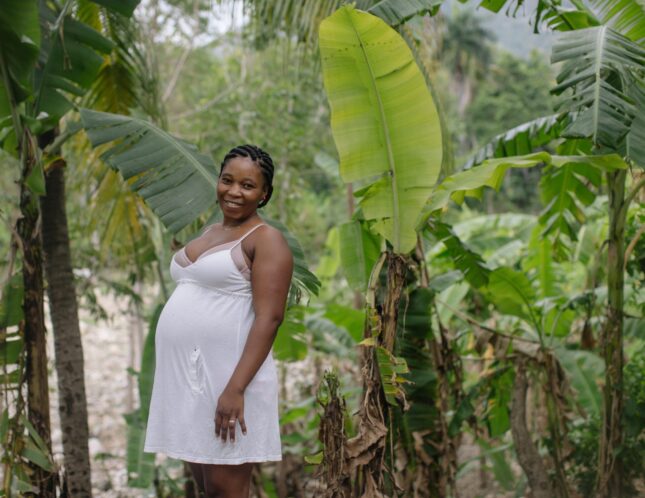
›The International Day of the Elimination of Racial Discrimination on March 21 offers a significant opportunity to reflect on a key issue in maternal health: despite global progress over the past 20 years, maternal deaths are rising across the Americas. Why?
-
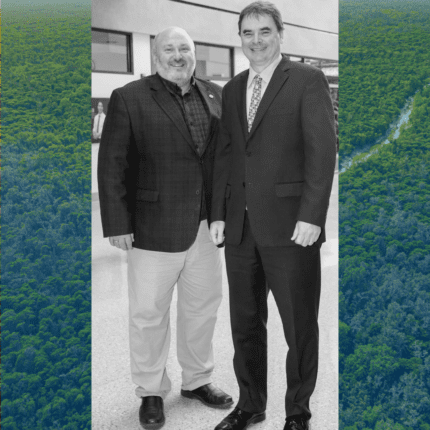
Thought-leaders and Frontline Workers in Environmental Peacebuilding | An Oral History: Dr. Ken Conca and Dr. Geoff Dabelko
›Environmental Peacebuilding Oral History // New Security Broadcast // March 19, 2024 // By Wilson Center Staff
On today’s episode of New Security Broadcast, ECSP and the Environmental Peacebuilding Association launch a series of oral history interviews with academics, practitioners, and frontline workers to trace the history of the field of environmental peacebuilding. From the people who helped shape the field to those who are bringing new approaches and perspectives today, our guests give us a behind-the-scenes look at how the field first emerged and how it has evolved.
-
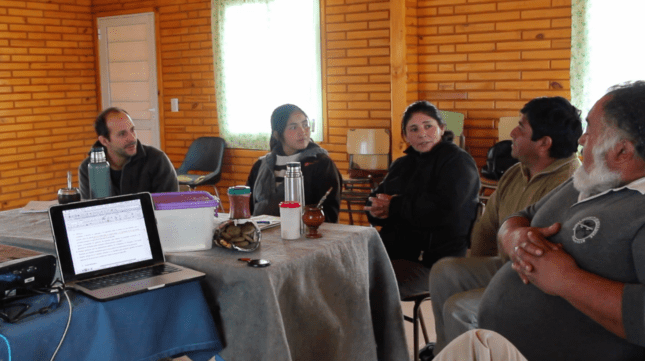
Indigenous Partnerships Can Bring Progress in LAC Energy Projects
›Este ensayo se actualizó con una traducción al español, disponible después de la versión en inglés, a continuación.
Latin American and Caribbean (LAC) countries have committed to transitioning to a net zero economy by 2050. Will they be able to do so without leaving anyone behind? It is unlikely, if business models don’t change.
An annual investment of $700 billion will be needed to curb emissions from the energy sector and its end uses, as well as from agriculture, forestry and other land use. In the clean energy sector alone, investment must increase nearly fivefold from its 2022 level.
-
ECSP Weekly Watch | March 11 – 15
›A window into what we are reading at the Wilson Center’s Environmental Change and Security Program
China is Leading the World on Renewable Energy (Yale 360)
In November, Chinese and U.S. climate envoys pledged to triple global renewable energy by 2030, signaling renewed cooperation between the top two greenhouse gas emitters. However, the two countries are not quite on equal footing when it comes to renewable energy.
 A Publication of the Stimson Center.