-
Environmental Security Weekly Watch: March 16-20, 2026
›
A window into what we’re reading at the Stimson Center’s Environmental Security Program
Pakistan’s Grassroots Solar Mitigates Middle East Energy Crisis Impact (The Guardian)
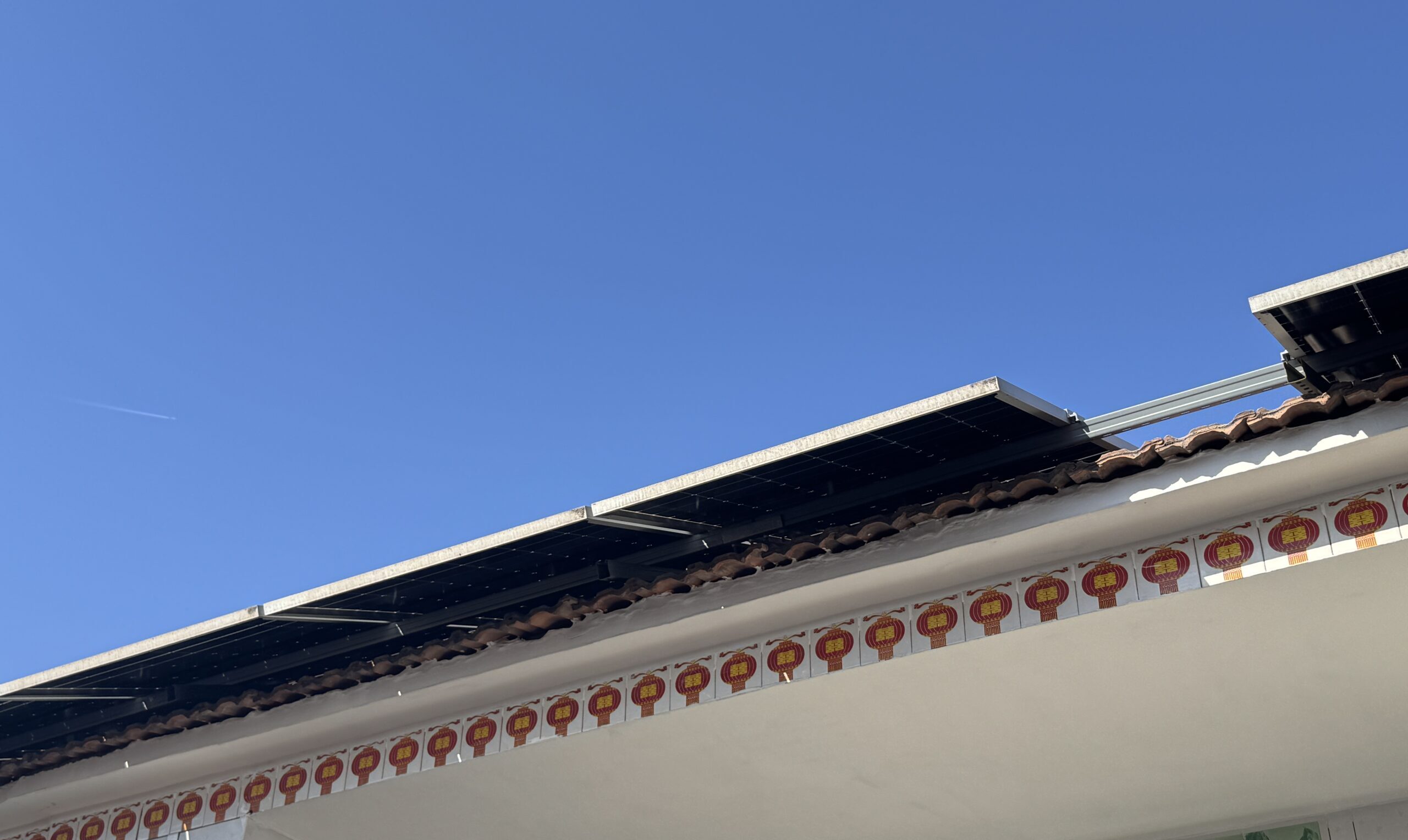
Russia’s invasion of Ukraine in 2022 also sparked a grassroots solar boom in Pakistan. Surging LNG prices and unreliable grid electricity resulting from the war’s broader effects pushed citizens to invest in rooftop solar as a one-time cost alternative to perpetually high electricity bills. Between December 2021 and December 2025, solar energy’s share of grid-supplied electricity in Pakistan jumped fivefold. Today, solar provides one-fifth of the country’s electricity.
-
No Home in the Dark: Creating an All-Inclusive Rooftop Solar Ecosystem in China
›
Last fall, I travelled back to my hometown in rural Wen’an County, Hebei Province, and was surprised to find my aunt Lu had installed 12 solar panels on the roof of her house. Because I am a low-carbon policy wonk at a Beijing consultancy, I peppered her with energy questions as we admired the rooftop panels. “So, where does the electricity go? To your own appliances, an aggregator, or the grid company? Are you paid for renting out the roof or for selling the electricity?”
-
Why Good Development Requires Wisdom, Not Just Rules
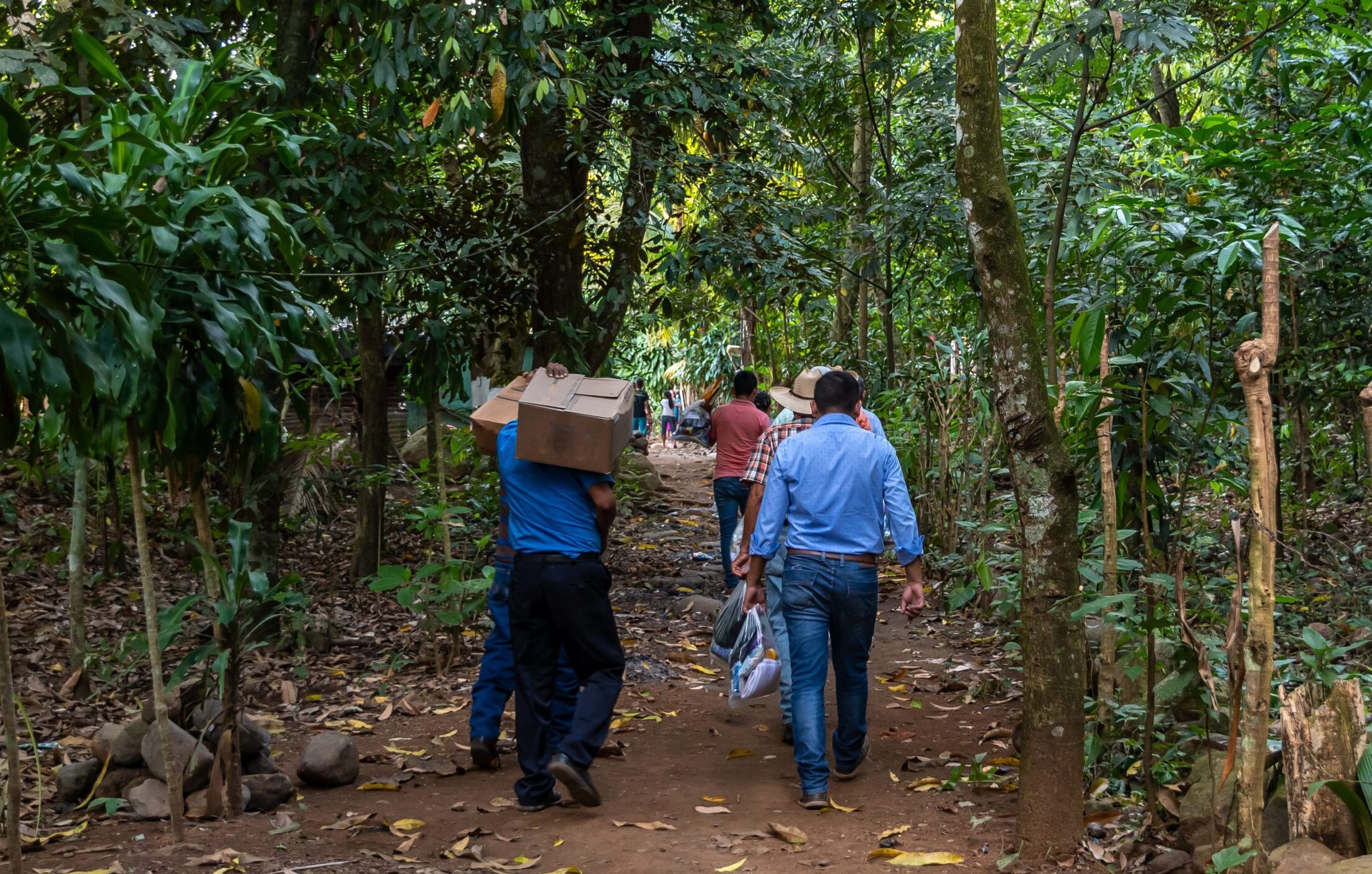
›Development practitioners enter the field hoping to make the world a better place. Yet, too often, they become jaded and cynical over time. The bureaucratic processes that shape the mechanics of development programs (funding, design, implementation, and evaluation) often make it difficult for practitioners to apply their expertise and judgment. As the international development sector adjusts to the shutdown of USAID last year, it is an opportune moment to reflect upon how different approaches may strengthen development practice.
-
Environmental Security Weekly Watch: March 9-13, 2026
›A window into what we’re reading at the Stimson Center’s Environmental Security Program
As Gulf Conflict Widens, So Does Its Environmental Footprint (Dialogue Earth)
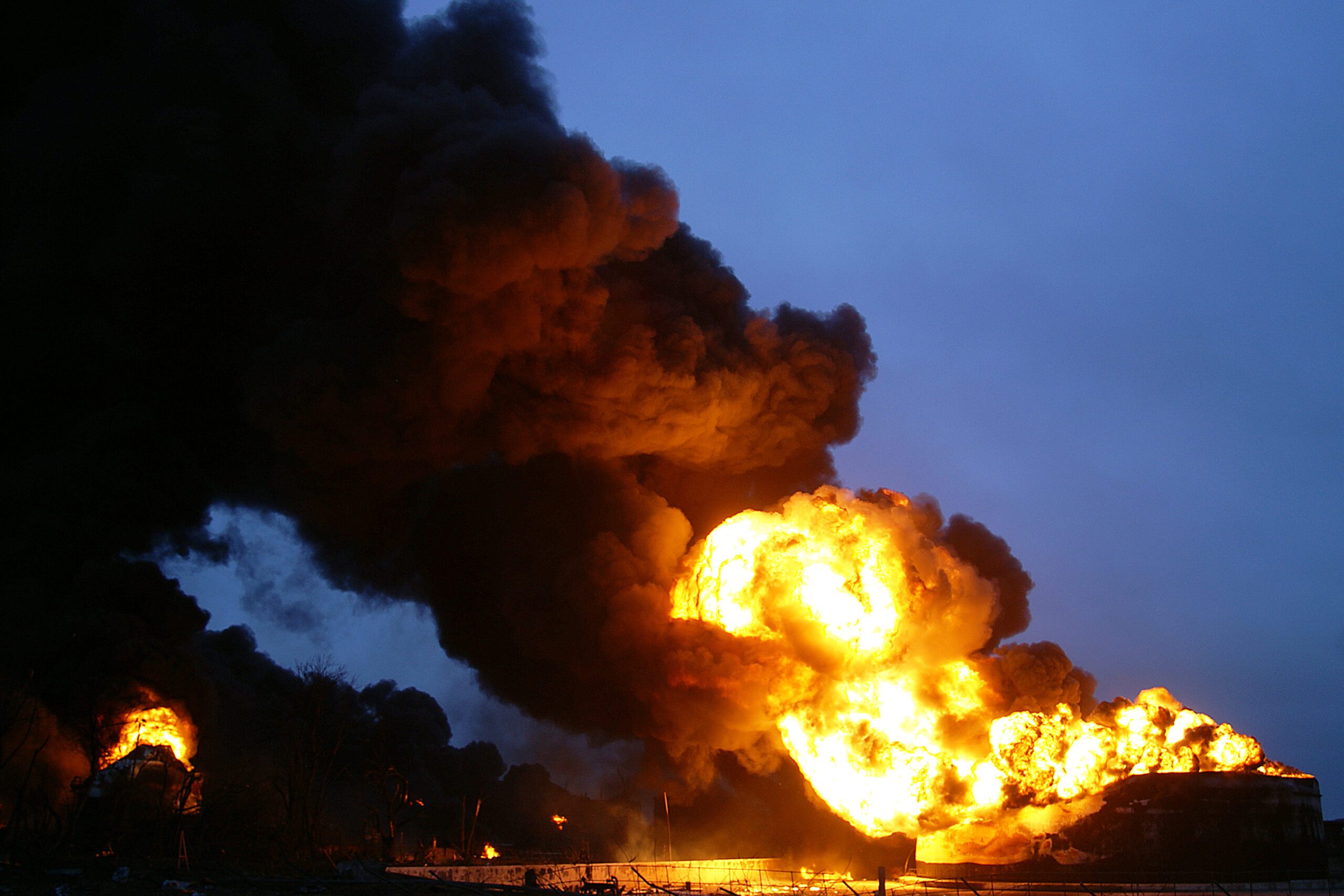
The Conflict and Environment Observatory identified at least 120 incidents of environmental harm across 11 countries since the start of U.S. and Israelis began attacks on Iran, as both sides have made oil infrastructure, military facilities, and strategic sites primary targets. The burgeoning conflict poses nuclear, chemical, and long-term carbon risks, as strikes on refineries, tankers, and storage sites degrade air quality, contaminate water contamination, and harm marine ecosystems. And other serious catastrophes loom as the war develops. The IAEA warns that any radioactive release from strikes that target nuclear sites could require evacuating areas the size of major cities.
-
In Context: Erika Weinthal and Jeannie Sowers on the Middle East Conflict’s Impacts on Civilian Infrastructure
›Recent attacks on critical infrastructure in Iran and the Persian Gulf mark a troubling escalation in the widening regional conflict. Since the U.S. and Israel launched a bombing campaign against Iran on February 28, Iran has responded with waves of missiles and drones targeting Gulf states across the region. Last weekend, both sides crossed a new threshold by striking civilian water and energy infrastructure. U.S. strikes allegedly hit a desalination plan on Iran’s Qeshm Island; Iran retaliated with a drone strike on a desalination plant in Bahrain; and Israeli airstrikes on fuel depots sent toxic smoke across Tehran.
-
Environmental Security Weekly Watch: March 3-6, 2026
›A window into what we’re reading at the Stimson Center’s Environmental Security Program
US Pressure Adds to the Suffering in Cuba’s Worst Economic Crisis (The New Humanitarian)
Cuba is on the brink of a total humanitarian collapse as its people bear the brunt of cascading crises driven by the Trump administration’s decision to block Venezuelan oil shipments to the island. It is a crisis compounded by a decades-long US embargo and years of economic mismanagement. The power blackouts which previously lasted for 12 to 14 hours now exceed 20 hours, thus further crippling hospitals, food storage, and water systems. Without new fuel deliveries, the island might reach complete fuel depletion this month amidst its worst economic crisis since the 1930s.
-
Environmental Security Weekly Watch: February 23-27, 2026
›A window into what we’re reading at the Stimson Center’s Environmental Security Program
UN Report: One in Five Fish Products Tied to Fraud (Inside Climate News)
A new UN Food and Agriculture Organization report finds that up to 20% of fishery and aquaculture products worldwide are mislabeled. The $195 billion industry is especially vulnerable due to supply chains involving over 12,000 traded species. The study is the first of its kind for the organization, and describes a pattern of fraud that takes many forms, from coloring tuna to appear fresher, to selling farmed fish as wild-caught, to substituting cheap species for expensive ones entirely. In the US alone, as much as a third of seafood may be mislabeled, yet less than 1% of imports are ever tested.
-
Current Geopolitics Shift Deep-Sea Mining Debates
›This article was originally published as a commentary by the Stimson Center.
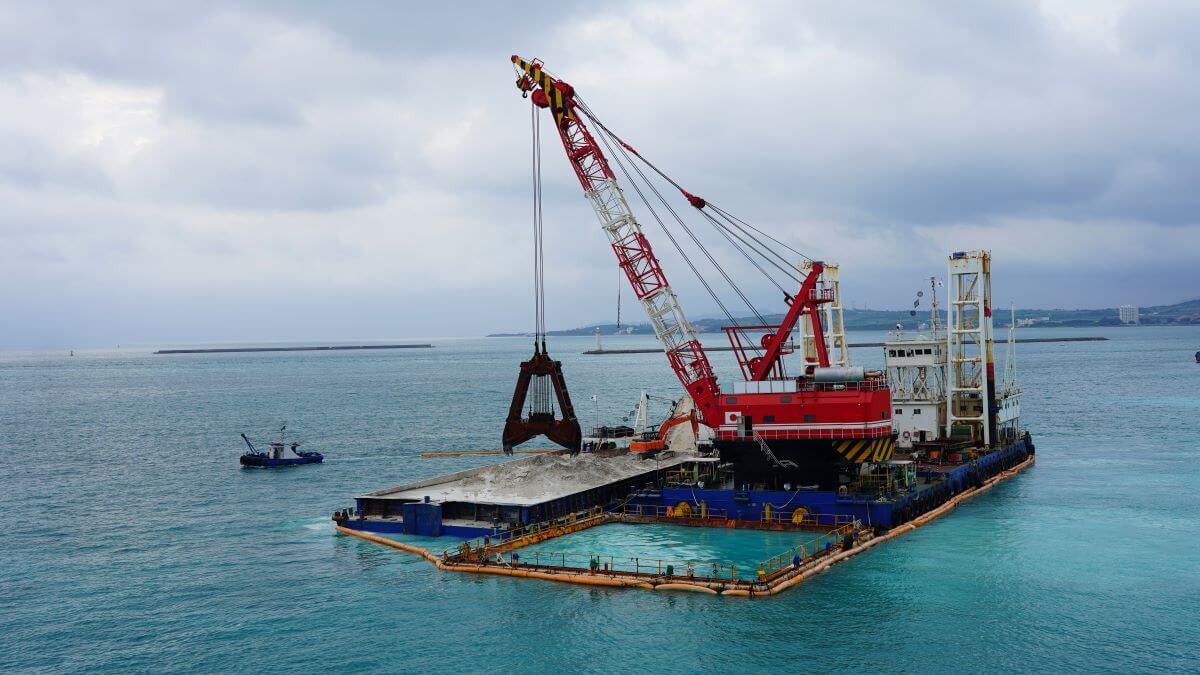
If anyone needed a signal of global interest in critical minerals and supply chains, the events in Washington D.C. earlier this month offered a clear one. In the midst of questions about the reliability of U.S. partnerships, uncertain tariff policy, and rhetoric around annexing Greenland, 54 countries and the European Union came together in D.C. at the Critical Minerals Ministerial to seek deeper collaboration to secure critical minerals supply chains and de-risk from China’s influence.
 A Publication of the Stimson Center.