-
ECSP Weekly Watch | October 21 – 25
›
A window into what we’re reading at the Wilson Center’s Environmental Change and Security Program
COP16 Begins in Colombia (Al Jazeera)
Almost 200 countries are gathering in Colombia for a two-week span (October 21 to November 1) for the UN Convention on Biodiversity to further global conservation goals. At COP15, the meeting culminated with an ambitious global treaty—the Kunming-Montreal Global Biodiversity Framework (2022)—that required member states to halt and reverse biodiversity loss. The agreement had four goals that set a “30×30“ agenda to protect 30% of global land, earth, and water ecosystems by 2030.
-
The Arc | Climate Justice in the Arctic: Part 3
› In today’s episode of The Arc, ECSP’s Claire Doyle and Angus Soderberg interview Eva Maria Fjellheim, a southern Saami researcher at the Arctic University of Norway, for the final episode of our mini-series focused on climate justice in the Arctic. We explore Eva Maria’s research on strengthening Indigenous peoples’ land rights in the face of growing climate and clean energy projects. She shares insights from legal battles in Norway and connects the encroachment on Saami land to similar trends with Indigenous communities in Latin America and elsewhere. Eva Maria also discusses how current climate policies may be missing the mark by failing to truly respect Indigenous rights. Select quotes from the interview are featured below:
 -
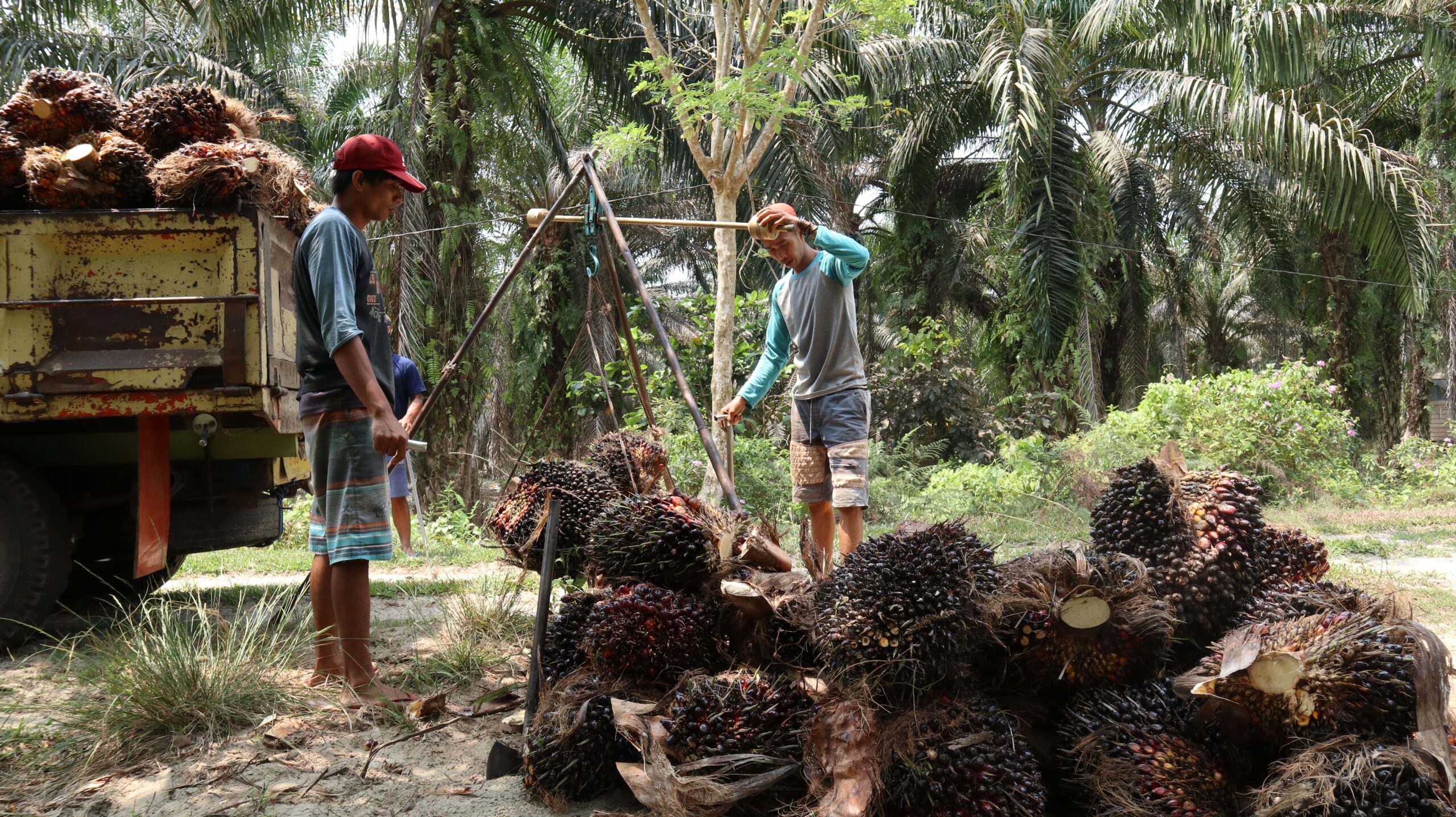
A Decade of Progress on Palm Oil Deforestation at Risk in Indonesia
›China Environment Forum // Guest Contributor // Vulnerable Deltas // October 24, 2024 // By Jason Jon Benedict & Robert HeilmayrIndonesia is the world’s largest producer and exporter of palm oil, an ingredient used globally in a huge variety of food and household products from peanut butter to shampoo. Yet it is also an important driver of deforestation and contributor to climate change and biodiversity loss. Over the past 20 years, the expansion of palm oil plantations has contributed one-third of the total loss of old-growth forests in Indonesia (around 3 million hectares).
-
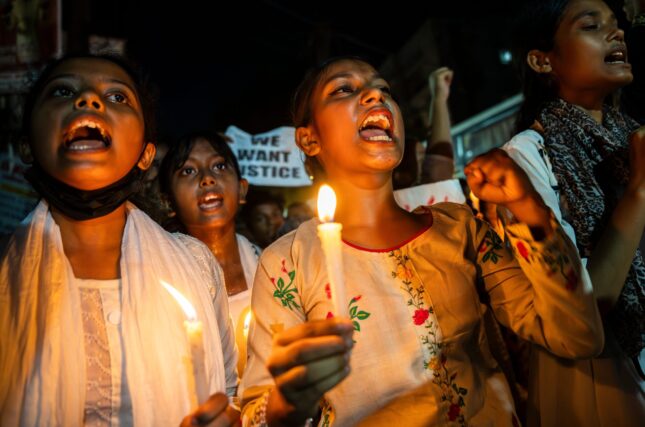
“Men Will Be Men” Taints India’s Efforts to Safeguard Women
›As Indians celebrated the nation’s 78th Independence Day on August 15, its women cried for freedom on the same streets where their forebears shouted: “Vande Mataram” or “I salute thee, motherland.” That battle slogan was built for nonviolent resistance, and India’s women now stand united to fight against the continued violation of their dignity and their bodies.
-
Deep Seabed Mining: Will It Rise to The Surface—and Where?
›Norway recently announced that electric vehicles (EV) now outnumber gas-powered ones on its highways for the first time—and that these vehicles comprise 80 percent of its current new car sales. While internal combustion engines (ICE) will not disappear for several years, Norway’s sales of ICE-powered vehicles will end abruptly in 2025.
-
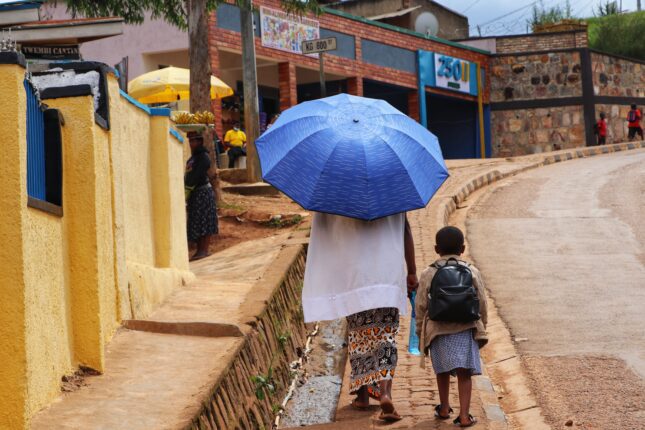
Rethinking NGO Effectiveness: Lessons from Rwanda’s Early Childhood Development Programs
›If you work for an NGO, you likely face the challenge of “demonstrating impact and effectiveness” to your funders. Yet donor states and international organizations no longer blindly accept that NGOs are doing what they claim to do. So the task is not only to meet expectations, but also to communicate the organization’s most significant impacts to donors, other partners, and professional colleagues. Measuring organizational effectiveness for improved health and development impact is a key element to do so in a changing landscape.
-
ECSP Weekly Watch | October 15 – 18
›A window into what we’re reading at the Wilson Center’s Environmental Change and Security Program
Global Water Stress May Create a Food Crisis (Guardian)
In its recent report, The Economics of Water, the Global Commission on the Economics of Water examined world hydrological systems and their impact on water availability—and warn of imminent shortcomings in food production. The study asserts that the demand for freshwater will outweigh the supply by 40% in 2030, highlighting a significant shift in previous freshwater requirement estimates.
-
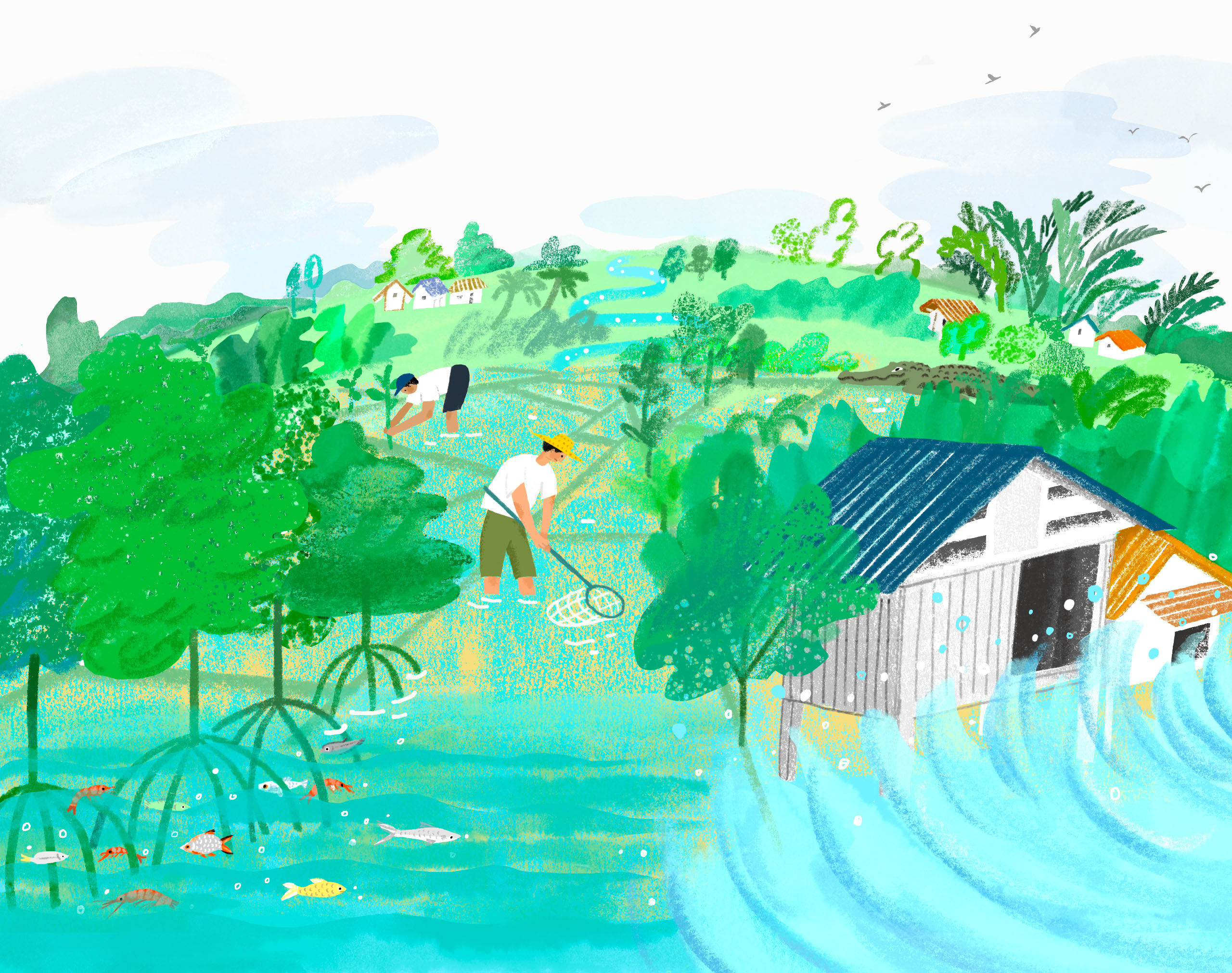
A Tipping Point for Mangrove Restoration and Shrimp Farming in Indonesia
›China Environment Forum // Guest Contributor // Vulnerable Deltas // October 17, 2024 // By Muhibar Sobary ArdanThe Mahakam River flows for 900 km from the highlands of central Borneo through thick rainforest before fanning into a lush delta that feeds the Makassar Strait. Once dense with mangroves and palms, the wetland islands protected coastal communities, supported biodiversity and served as a significant carbon sink.
However, in the 1980s, shrimp ponds began replacing the mangroves. By 2020, around half of the delta’s forests were lost due to weak regulatory enforcement and inadequate environmental protection. This large-scale deforestation increased the area’s vulnerability to climate change.
 A Publication of the Stimson Center.
 In today’s episode of The Arc, ECSP’s Claire Doyle and Angus Soderberg interview Eva Maria Fjellheim, a southern Saami researcher at the Arctic University of Norway, for the final episode of our mini-series focused on climate justice in the Arctic. We explore Eva Maria’s research on strengthening Indigenous peoples’ land rights in the face of growing climate and clean energy projects. She shares insights from legal battles in Norway and connects the encroachment on Saami land to similar trends with Indigenous communities in Latin America and elsewhere. Eva Maria also discusses how current climate policies may be missing the mark by failing to truly respect Indigenous rights. Select quotes from the interview are featured below: