-
Essential and Overdue: Quality Care for Adolescent Mothers and First-Time Parents
›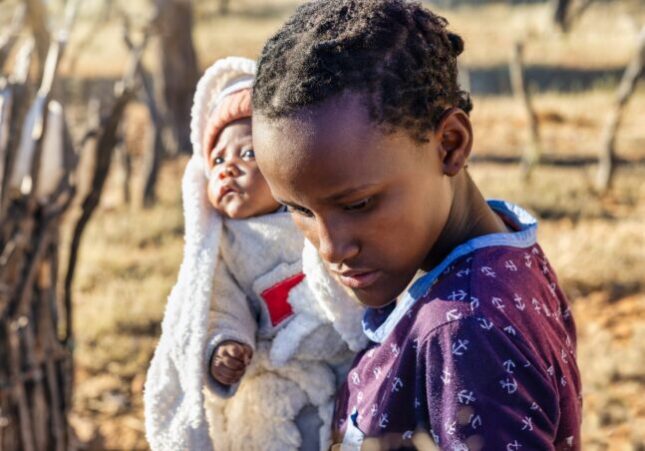
Maternal health among adolescents in low- and middle-income countries (LMICs) remains a largely unexplored and frequently neglected area within the public health field. Adolescent birth rates remain disproportionately high in LMICs, accounting for approximately 97% of all adolescent births globally. The prevalence of child marriage, poverty, gender-based violence, and limited access to and utilization of contraceptive methods all contribute to this startling statistic.
-
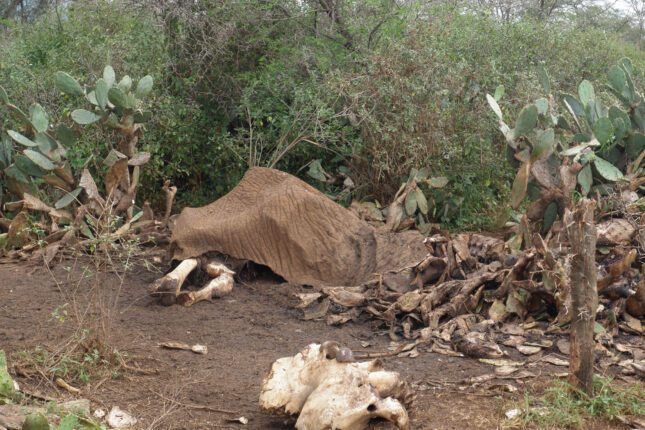
Addressing Human-Wildlife Conflict in Ethiopia’s Protected Lands
›
We are undoubtedly at the 11th hour for biodiversity. The World Wildlife Foundation recently reported that Earth saw a 70% drop in species populations over the last fifty years.
As global leaders convened at COP16 in Cali, Colombia in late October and early November, many of the most pressing threats to biodiversity and pathways to improving governance effectiveness were on the agenda. This year’s conference theme—“Peace with Nature”—offered an impetus for a deeper dialogue on the conflict-biodiversity nexus, which included the work of “Peace@CBD”: a community of NGOs, institutions, and individuals that promotes relationships between nature, peace, and conflict.
-
Time to Reconsider Rationing?
›As public policymakers and NGO advocates around the world meet in Baku for COP29, the urgency of the climate crisis grows ever more pressing. Yet hopes that the targets and commitments will lead to meaningful policy action have contended with persistent national and global inaction on climate change mitigation and adaptation.
-
ECSP Weekly Watch | November 12 – 15
›A window into what we’re reading at the Wilson Center’s Environmental Change and Security Program
Shell Wins Appeal to Overturn Landmark Emissions Ruling (Al Jazeera)
Three years ago, a court in the Netherlands ruled in favor of environmentalists and required energy giant Shell to drastically reduce its greenhouse gas (GHG) emissions. The decision would compel the company to cut the absolute carbon emissions it created in 2019 by 45% by the year 2030—including emissions caused by its products. This ruling was the first of its kind by requiring companies to adhere to the Paris Agreement, and it ignited further attempts by climate activists to take legal measures against other fossil fuel companies.
-
The Arc | Indigenous and Community Power: Localizing Climate Action
›In today’s episode of The Arc, we are featuring a panel discussion on climate action through Indigenous and community power from the Forum on Advancing Inclusive Climate Action in Foreign Policy and Development, hosted by the Wilson Center in collaboration with the White House and USAID’s Bureau for Humanitarian Assistance, with support from the USAID Climate Adaptation Support Activity. -
New Tool Offers Key Insights for Tackling Climate and Conflict Challenges
›When the White House released the US Framework for Climate Resilience and Security in September 2024, it was an important opportunity to highlight the significant impacts of climate change on US national security, economic, and strategic interests. The Framework also emphasized the need for tailored approaches in fragile, conflict-affected, and vulnerable (FCV) contexts, particularly in managing and allocating resources, as well as ensuring that climate finance addresses conflict drivers.
-
As Humanitarian Crises Grow, So Do Risks for Women and Newborns
›Dot-Mom // November 13, 2024 // By Sarah B. Barnes, Dr. Claudia Donkor, Deborah Denis, Mushtaq Khan, Jihan Salad, Harriet Ruysen, Rondi Anderson & Hani Rukh-E-QamarDuring humanitarian emergencies, women and newborns face severe disparities and heightened vulnerabilities, increasing their risk of illness and death. Humanitarian crises—caused by conflict, climate-related disasters, or forced displacement—disrupt health systems, limit access to essential services, and increase the likelihood of preventable deaths. In 2023, 58% of global maternal deaths, 50% of newborn deaths, and 51% of stillbirths worldwide occurred in the 29 countries with a UN humanitarian response plan or regional response plan. In humanitarian emergencies, a lack of skilled health personnel, inadequate infrastructure, and shortages of essential medicines are common—resulting in limited access to both basic and emergency maternal and newborn care. A fight for humanitarian aid is also a challenge, as maternal and newborn health are often under-prioritized or neglected in humanitarian response.
-
The Story Behind Climate Security and What it Means for US Foreign Policy
›Hurricanes Helene and Milton battered the southeastern US in September and October and caused a combined estimate of $300 billion in damages. These storms were only the latest example of a cascade of disasters that is expected to worsen as climate change intensifies. Yet the impacts do not stop at dollars and human lives. Threats to security and stability also will multiply as rising temperatures increase the variability of rainfall patterns and the intensity of storms.
 A Publication of the Stimson Center.

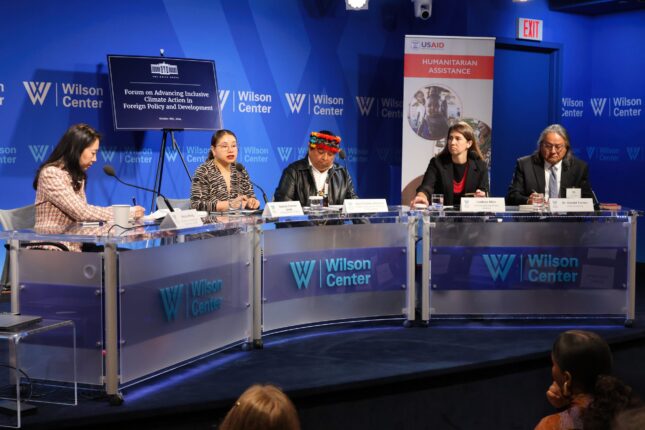 In today’s episode of The Arc, we are featuring a panel discussion on climate action through Indigenous and community power from the Forum on Advancing Inclusive Climate Action in Foreign Policy and Development, hosted by the Wilson Center in collaboration with the White House and USAID’s Bureau for Humanitarian Assistance, with support from the USAID Climate Adaptation Support Activity.