-
Guam and Vanuatu: Different Paths from Environmental Change to Human Insecurity
›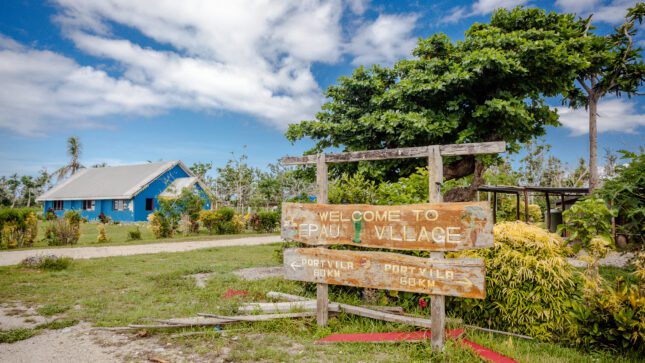
Our present ecocrisis drives human insecurity. Single weather events killed hundreds in 2024, even in wealthy countries such as the United States or Spain. And beyond that staggering toll in human lives lurk staggering amounts of money required to repair and rebuild. In the United States alone, inflation-adjusted disaster-attributable costs have reached on average $153 billion each year. These factors and others make global environmental change a severe risk to human security.
-
World AIDS Day: Center Women and Girls to Eradicate AIDS
›
Over the last four decades, contracting HIV has been transformed from a fatal diagnosis to a manageable chronic illness. Political will and financial commitments have reduced new HIV infections worldwide by 39 percent since 2010. However, much work still is needed to meet global targets of preventing new cases of HIV and reducing AIDS-related deaths. Marginalized communities, including women and girls, face countless barriers which hinder progress towards comprehensive HIV prevention across the planet.
-
Confronting Pronatalism is Essential for Reproductive Justice and Ecological Sustainability
›Pronatalism, the push for women to have more children, has elbowed its way into prominence in public discourse. In the United States, cultural and institutional pressures on women to bear children are articulated in various ways, from negative portrayals of women who don’t consider having a child a viable choice for themselves, to a burgeoning Silicon Valley subculture that advocates having “tons of kids” to save the world, to policy proposals that would further restrict reproductive choice or limit the voting power of the childless. The stigmatization of people without children and the recent rise in contemporary pronatalism is a global phenomenon.
-
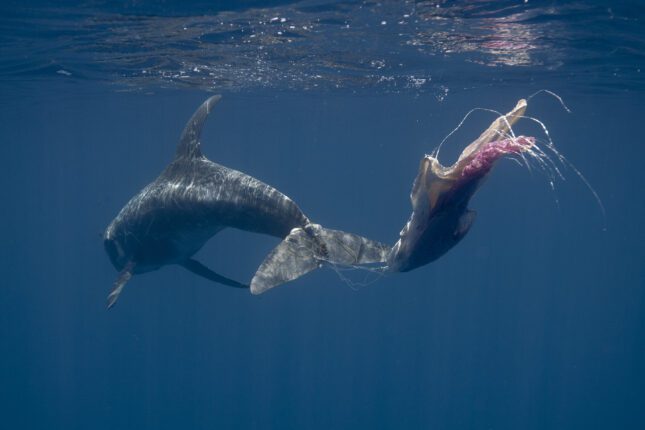
Microplastics are Sickening and Killing Wildlife, Disrupting Earth Systems
›This article, by Sharon Guynup, originally appeared on Mongabay.
Bottlenose dolphins leapt and torpedoed through the shallow turquoise waters off Florida’s Sarasota Bay. Then, a research team moved in, quickly corralling the small pod in a large net.
-
The 2024 Montreal Climate Security Summit: Four Takeaways
›“I think we need to approach climate security completely differently,” said Sharon Burke, Founder and President of Ecospherics and Wilson Center Global Fellow, at the recent 2024 Montreal Climate Security Summit. “It’s not just that climate change is an opportunity cost in combat power, or that it’s effecting our bases and operating environment, or that it is an accelerant to instability. It is itself the threat.”
-
ECSP Weekly Watch | November 18 – 22
›A window into what we’re reading at the Wilson Center’s Environmental Change and Security Program
Over 40,000 Protest for Maori Rights in New Zealand (Al Jazeera)
Earlier this month, the libertarian ACT New Zealand party introduced the Treaty Principles Bill in that nation’s legislature. The controversial measure seeks to reinterpret the 1840 Treaty of Waitangi—a foundational document that granted Maori tribes broad land rights in return for ceding governance to the British. The treaty’s historical value remains significant to this day, and it is a contemporary reminder of the colonial injustices faced by the country’s native tribes.
-
Swathi Veeravalli on the Importance of Climate Security for US Strategic Interests
›In today’s episode of New Security Broadcast, ECSP Program Director Lauren Risi sits down with Swathi Veeravalli on her last day as the Director for Climate Security and Adaptation at the National Security Council (NSC) to discuss the new US Framework for Climate Resilience and Security, its significance for the future of US security and economic interests, and what success in building climate security looks like over the next decade. -
Lights On or Off? Chinese Solar and Wind Companies in Sub-Saharan Africa
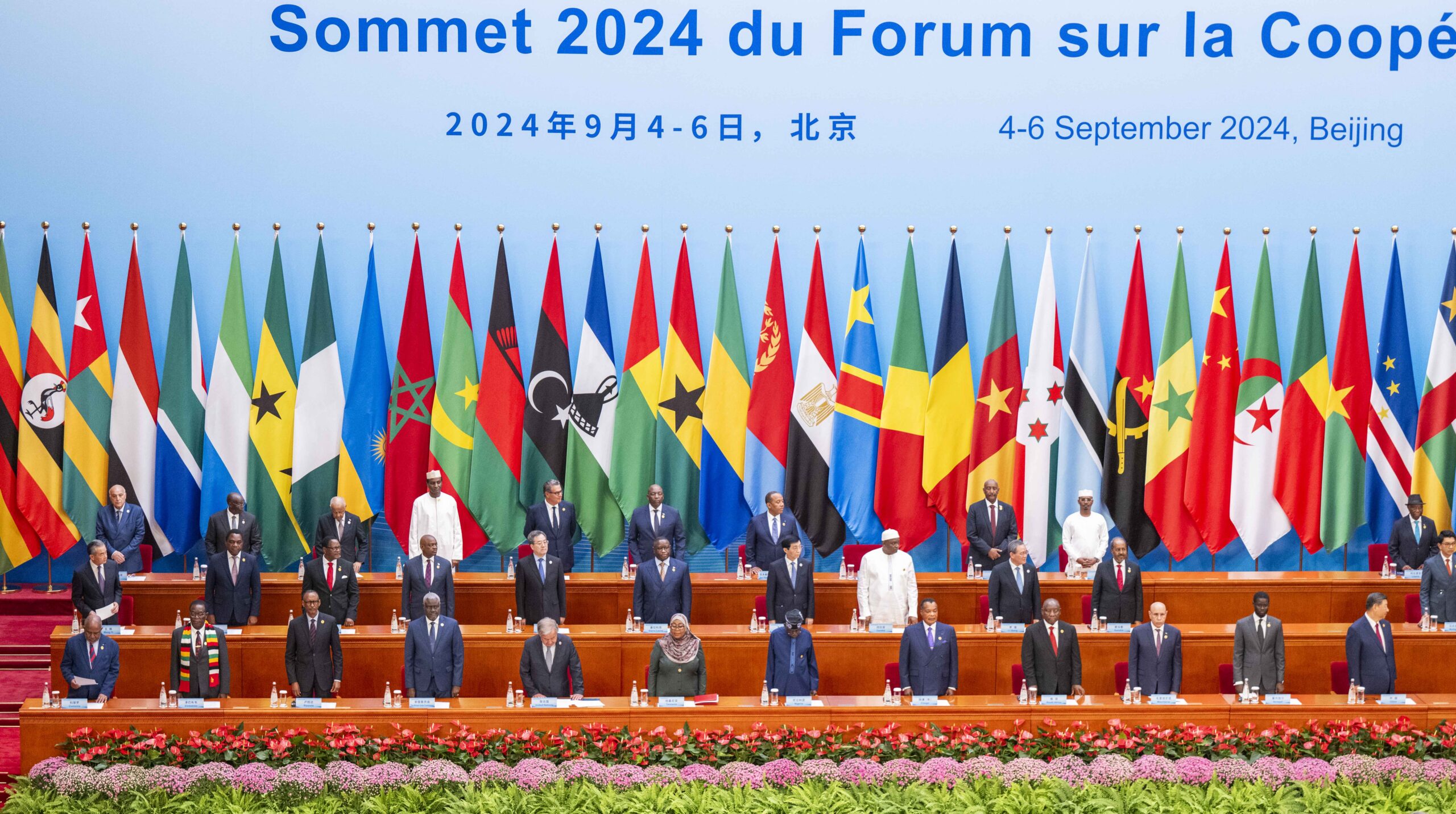
›Africa in Transition // China and the Global Energy Transition // China Environment Forum // Guest Contributor // November 21, 2024 // By Xiaokang XueWhen I stepped into the bustling exhibition hall at Enlit Africa in Cape Town in May 2024, I was surprised by the riot of colorful banners featuring Chinese characters. A whopping 40% of the exhibitors at one of Africa’s largest energy and power conferences in Cape Town from China—more than any other country.
 A Publication of the Stimson Center.

 In today’s episode of New Security Broadcast, ECSP Program Director Lauren Risi sits down with Swathi Veeravalli on her last day as the Director for Climate Security and Adaptation at the National Security Council (NSC) to discuss the new US Framework for Climate Resilience and Security, its significance for the future of US security and economic interests, and what success in building climate security looks like over the next decade.