-
Fighting Corruption Is Essential to Effectively Fighting Transnational Criminal Organizations
›
In March 2026, Earth League International (ELI) published a report: Money Talks: What Criminals Told Us About Corruption. Our study synthesized over a decade of intelligence obtained firsthand by ELI’s undercover investigators from inside criminal networks to examine how corruption facilitates environmental and wildlife crime, as well as how these activities converge with other serious crimes.
-
Environmental Security Weekly Watch: April 6-10, 2026
›
A window into what we’re reading at the Stimson Center’s Environmental Security Program
Argentina’s “Glacier Law” Opens Ecologically Sensitive Areas to Mining (Al-Jazeera)
Politicians in Argentina approved a bill pushed by President Javier Milei to authorize mining in ecologically sensitive areas of the nation containing nearly 17,000 glaciers and/or rock glaciers and permafrost which heavily support the country’s water security. Dubbed the “Glacier Law,” the measure is designed to leverage the vast critical mineral reserves (such as copper and lithium) found in frozen parts of the Andes mountains.
-
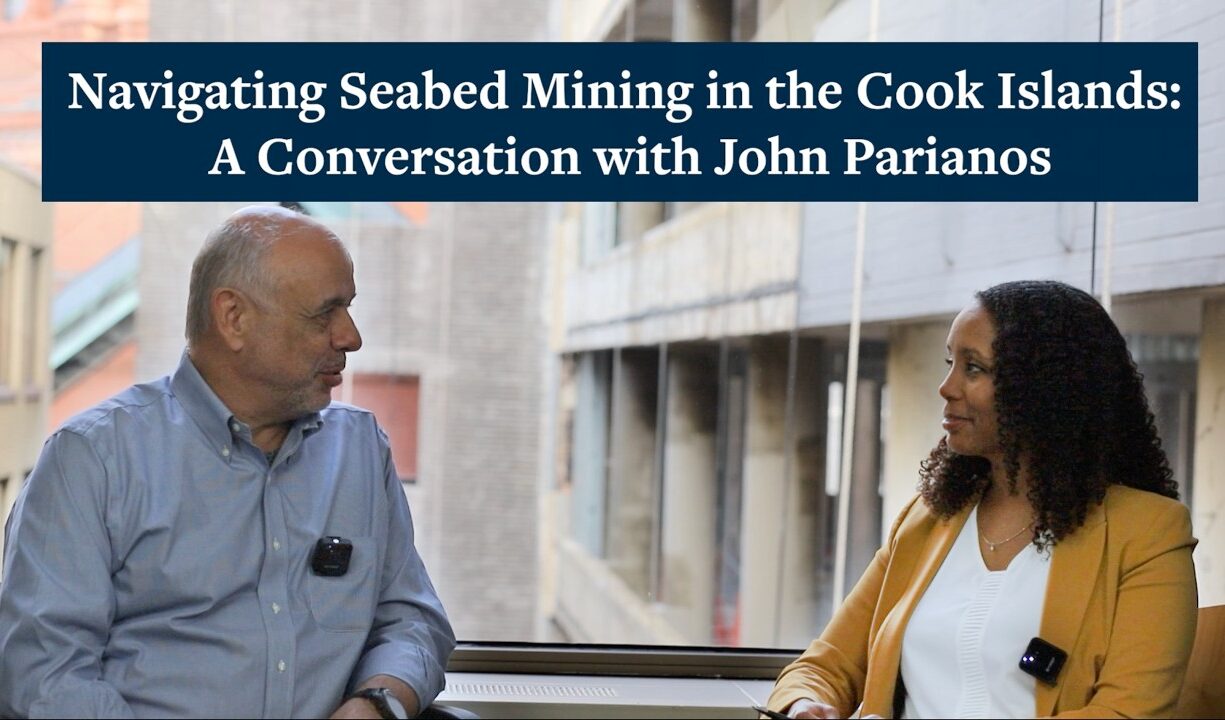
Navigating Seabed Mining in the Cook Islands: A Conversation with John Parianos
› -
Environmental Security Weekly Watch: March 30-April 3, 2026
›A window into what we’re reading at the Stimson Center’s Environmental Security Program
Experts Sound Alarm Over Peru-Brazil Biooceanic Railway Risks (Mongabay)
A proposed railway linking Peru’s Pacific coast to Brazil’s Atlantic is drawing alarm from conservation experts and Indigenous rights advocates. Brazil and China signed a feasibility study agreement for new route crossing both the Andes and the Amazon rainforest in July 2025, with China playing a central role in financing and development. Two alternatives are under consideration, with one running through Peru’s Ucayali region and the other through Madre de Dios, but neither has been approved. A single line could impact 15 protected natural areas, threatening over 1,800 campesino communities, as well as territories inhabited by Indigenous peoples in voluntary isolation.
-
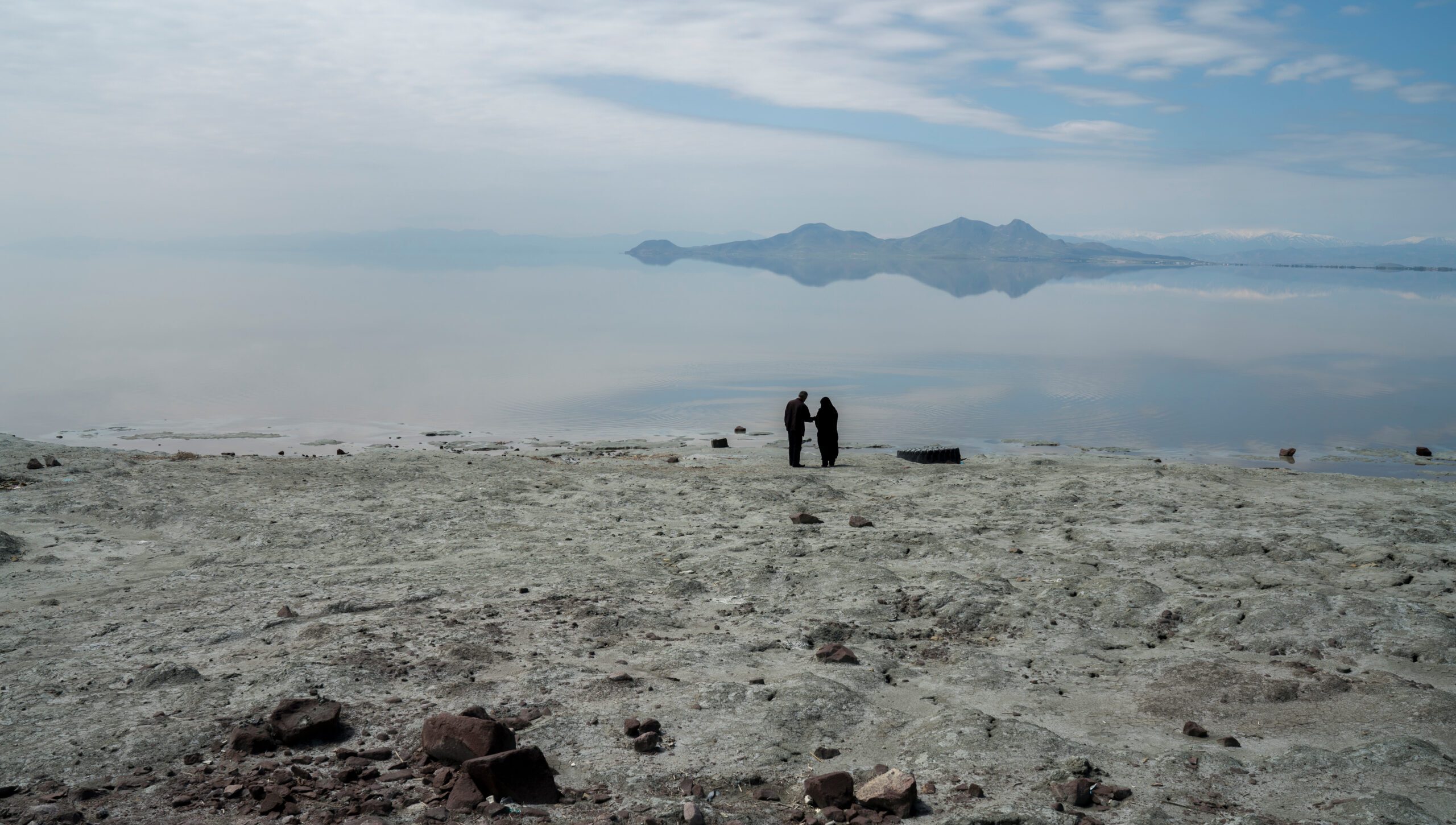
Complicating Long-Term Stability: Water Security and the Iran War
›In the summer of 2025, Tehran almost reached “Day Zero” – a designation for the moment when the city’s municipal water supply was no longer able to meet basic demand through normal distribution systems. Indeed, Iranian President Masoud Pezeshkian has repeatedly warned that the capital may need to be relocated due to the worsening water crisis.
-
Environmental Security Weekly Watch: March 23-27, 2026
›A window into what we’re reading at the Stimson Center’s Environmental Security Program
Energy Fallout from Iran War Signals a Global Wake-Up Call for Renewable Energy (Associated Press)
Fighting in Iran has effectively halted oil exports through the Strait of Hormuz — a chokepoint carrying roughly a fifth of the world’s oil and LNG — triggering an energy shock that is exposing the deep vulnerabilities of fossil fuel-dependent economies. Asia has been hit hardest, while Europe and Africa face mounting pressure from rising fuel costs and inflation. The crisis has sharpened debate over the uneven global energy transition. China’s substantial renewable buildout has provided meaningful insulation from the shock, while countries like Japan and India — which prioritized fossil fuel diversification after past crises — find themselves more exposed. Vietnam’s solar capacity is saving hundreds of millions in projected import costs. Meanwhile, Bangladesh has shuttered universities to conserve electricity, and India faces a cooking gas shortage. With more than 90% of new renewable projects now cost-competitive with fossil fuels, experts argue the strategic case for domestic clean energy has never been clearer.
-
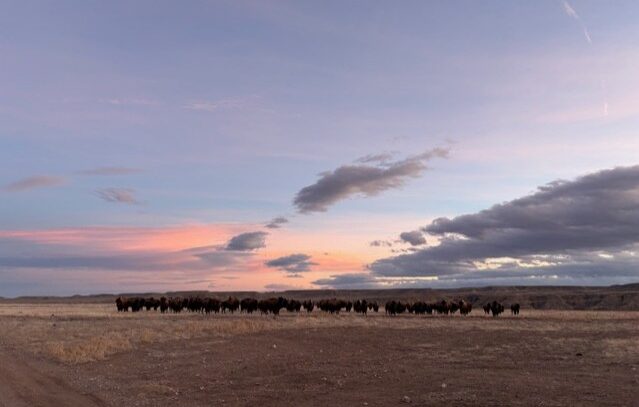
The Buffalo’s Return: New Partnerships Boost Indigenous-led Conservation in Tribal Lands
›Native nations in the United States have played leading roles in some of the country’s most spectacular conservation success stories. For instance, calls by the Yurok, Karuk and Hoopa Valley tribes resulted in the world’s largest dam-removal and salmon restoration project on the Klamath river in California and Oregon.
-
Chagos and the Militarization of the Indian Ocean
›This article was originally published on South Asian Voices, a publication of the Stimson Center.
“Do not give away Diego Garcia,” warned U.S. President Donald Trump on February 19, as the United Kingdom moved forward with plans to transfer sovereignty of the Chagos Archipelago to Mauritius. While the Chagos Archipelago has often been viewed through the prism of the sovereignty dispute between the United Kingdom and Mauritius, the islands today serve as a fulcrum for regional rivalries and great-power competition.
 A Publication of the Stimson Center.