-
China’s Silver Bullet: Can the Transmission Grid Solve China’s Problems?
›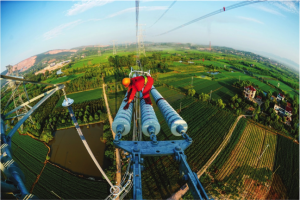
With air pollution causing more than one million deaths in 2015 and reducing the lifespan of citizens in northern China by three years, clean energy has become a top priority for China’s leaders. China tops the world in wind and solar power installations and the government plans to invest more than $360 billion through 2020 on renewable energy. But the green energy transition needs more than renewable power generation: Long-distance electricity transmission could play a key role in cleaning up China’s brown skies. Our recent study estimated that transmitting a hybrid of renewable and coal power through 12 new high-voltage transmission lines could prevent 16,000 deaths from air pollution exposure, and avoid 340 million tons of CO2 emissions in China.
-
“I Don’t Want to Leave My Country for Anything”: Making the Decision to Migrate in the Marshall Islands
›
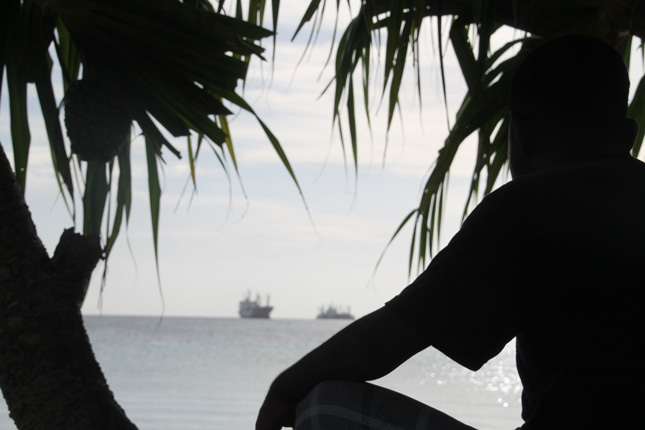
A threat looms on the sun-splashed horizon of the Republic of the Marshall Islands. The specter of climate change wraps its fingers around the islands, raising sea levels, salinizing soils, and sapping freshwater resources. These changes will make it even harder to sustain crops, which could push the population to even greater reliance on processed foods, which has already spurred a diabetes epidemic on the islands. The major role played by the United States in the history of the Marshalls, where nuclear bombs were famously tested during the Cold War, may continue, as the impacts of another existential threat—climate change—continue to increase.
-
Cities After Paris: The Role of Subnational Actors in Achieving International Goals
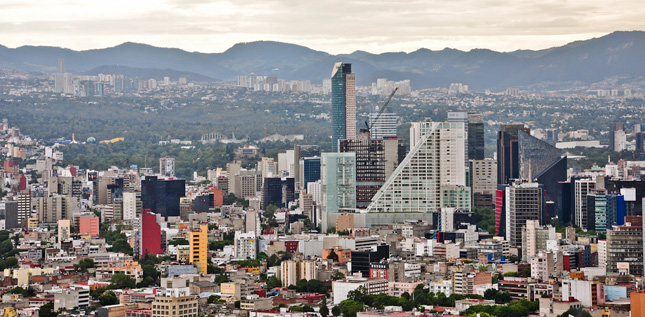
›As the climate changes, cities will suffer. “These are important places that have a lot of people, property, and local economies that are going to struggle,” said Jessica Grannis, the adaptation program manager at Georgetown’s Climate Center, at a recent Wilson Center event on the role of subnational decision-makers in achieving international goals. “The good news is that, here in the United States, many cities are recognizing these threats to their people and populations, and they’re beginning to take action,” said Grannis.
-
Crisis in Lake Chad: Tackling Climate-Fragility Risks
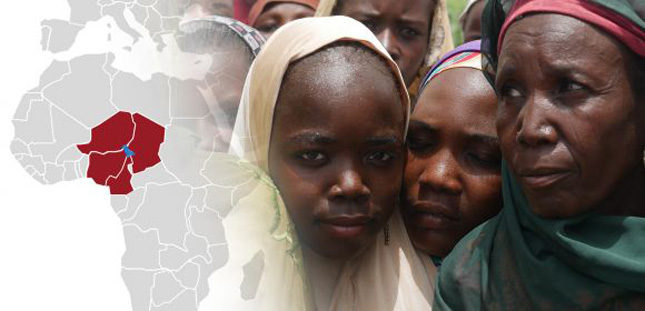
›While attention in the United States is focused on the disasters in Puerto Rico and the Caribbean, a crisis across the Atlantic is rapidly becoming one of the worst humanitarian disasters since World War II. In the Lake Chad basin of West Africa, about 17 million people are affected by the emergency, struggling with food insecurity, widespread violence, involuntary displacement, and the consequences of environmental degradation. An estimated 800,000 children suffer from acute malnutrition; and although international donors pledged $672 million in February, the famine and humanitarian misery continues unabated. Suicide bombings and attacks by Boko Haram, which have killed at least 381 civilians since April 2017, have forced many people to leave their homes and farmers to leave their lands, interrupting livelihoods and reducing food supplies.
-
REDD+ Progress: Forests and Solving the Climate Change Challenge
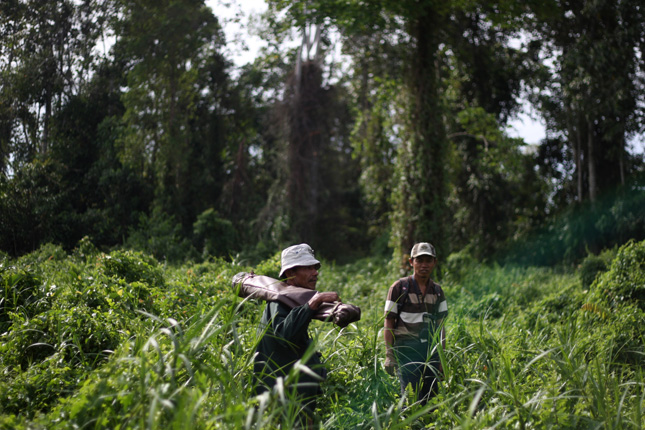
›From 1870 to 2015, the CO2 concentration in the atmosphere increased significantly, said Professor Maria Sanz, scientific director at the Basque Center for Climate Change in a recent webinar organized by WWF Forest and Climate. Forests have been responsible for global greenhouse gas emissions through forestry and other land use activities. However, she noted that forests also absorb nearly one-third of the emissions generated from fossil fuels.
-
Devastation Can Foster Resilience: Interview With Roger-Mark De Souza
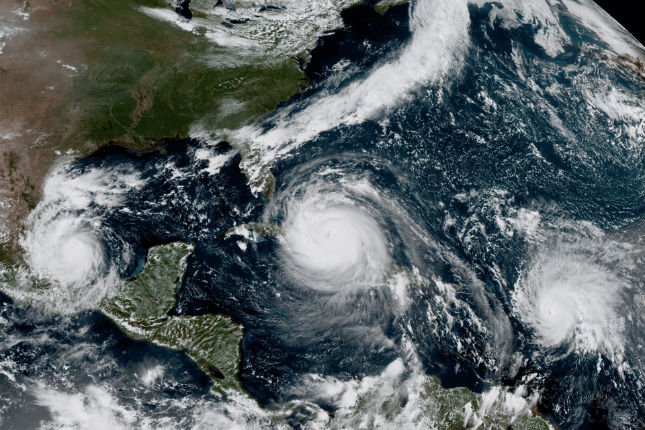
›October 10, 2017 // By Wilson Center StaffThe devastation in Puerto Rico is shocking: Half of the population, or 3.4 million people, lack drinking water and 95 percent are without electricity even two weeks after Hurricanes Irma and Maria.
-
One Country, Two Water Systems: The Need for Cross-Boundary Water Management in Hong Kong and Guangdong
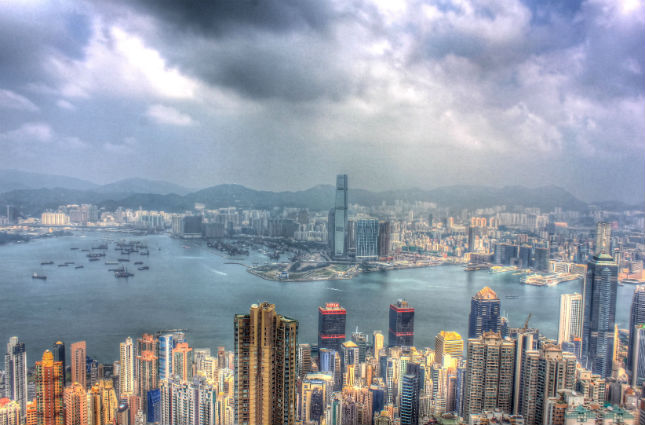
›In 2011, a group of Hong Kong water activists and researchers traveled the length of the Dongjiang (East) River, which stretches from northeast Guangdong Province into Hong Kong’s New Territories, to investigate the challenges facing the watershed. The Dongjiang basin, which provides nearly 80 percent of Hong Kong’s water supply, has suffered water shortages due to the region’s increasing urbanization and industrialization. They found unchecked wastewater discharges—from agriculture, poultry farms, chemical plants, tanneries, and even an open-air quartz quarry—were dangerously degrading water quality.
-
Top 5 Posts for September 2017
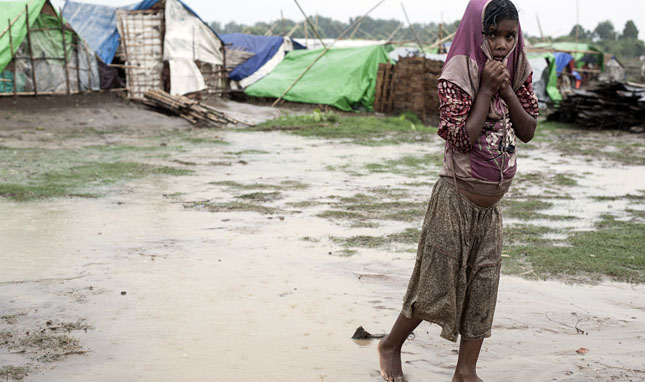
›Myanmar’s inter-ethnic disputes undermine an otherwise favorable backdrop for a peaceful democratic transition, write Rachel Blomquist and Richard Cincotta in New Security Beat’s most read story last month. Their analysis was published in April 2016, but it presciently foreshadows the current crisis. Through their multi-dimensional assessment of the demographic tension in Myanmar, the authors show that “[t]he path to democracy seems to cut directly through the Rohingya issue.”
 A Publication of the Stimson Center.