-
“Journalists Need to Do More to Cover Wildlife and Environmental Crime”
›
For the past few years, much of my work as a journalist has focused on wildlife and environmental crime. I’ve covered poaching busts and seizures of everything from pangolin scales and big-cat skins to rhino horn, live turtles and songbirds. I’ve reported on the Asian, African and South American markets that sell animals live, dead and in parts, and about the consumers that drive this black-market trade. I’ve written about China, the largest consumer, where many endangered species products are luxury items bought by the wealthiest and most influential as a way to flaunt power and gain prestige. I’ve also explored the trade here in the United States — the world’s second largest consumer. I covered the ubiquitous bird trade in Latin America, where ownership of pet parrots and other birds is so rampant that few realize these animals are endangered, or that it’s against the law to buy or keep them.
-
Sustainable Water, Resilient Communities: The Problem of Too Much Water
›From the Wilson Center // Water Security for a Resilient World // December 12, 2017 // By Julianne Liebenguth
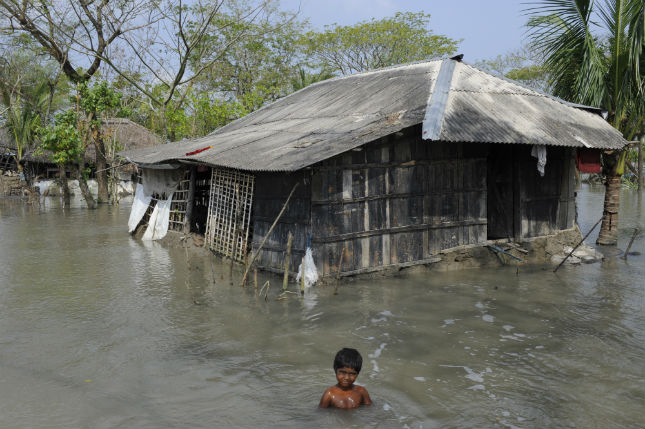
“Floods are one of many factors that keep massive amounts of the population in poverty and always on the brink of disaster,” said Eric Viala at the second event in a four-part series on water security organized by the Wilson Center in cooperation with the Sustainable Water Partnership, which Viala directs. Panelists at the event discussed the impact of intense flooding on vulnerable communities and proposed innovative and collaborative approaches to reducing their risks in the face of disasters.
-
Climate Engineering: Innovative Solution or Ethical Dilemma?
›“Climate engineering can be a way to build a better world,” said Katharine Mach, a senior research scientist at Stanford University during a recent virtual workshop on the promises and pitfalls of climate engineering held by the Institute on Science for Global Policy, in partnership with the Forum for Climate Geoengineering Assessment at American University, and the School of Sustainability at Arizona State University.
-
TOP 5 Posts for November 2017
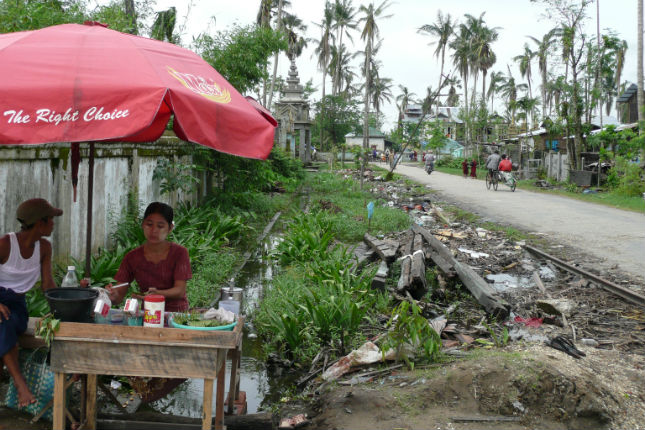
›Preparing for natural disasters might help unlock pathways to conflict prevention, write Florian Krampe and Roberta Scassa in New Security Beat’s most read story last month. They make the case for investing in disaster risk reduction at the city level to manage localized risk and empower communities to peacefully respond to crises.
-
Resigned Activism: Rural China’s Quiet Environmentalism
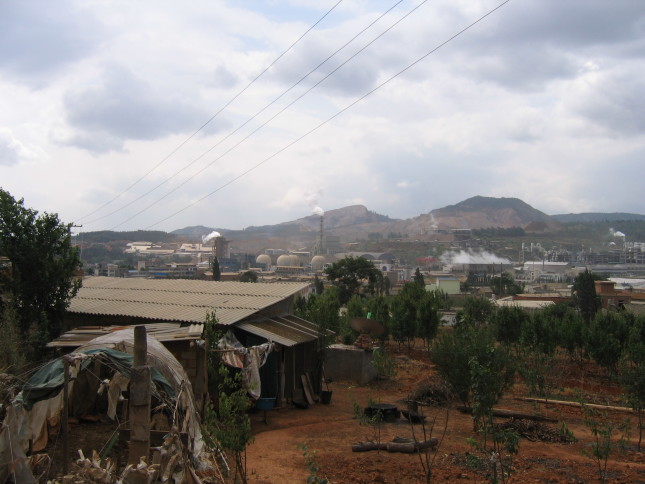
›While conducting ethnographic fieldwork in Yunnan province in 2009, I discovered a new vegetable: the cabbage-turned-turnip. Villagers in Baocun explained that after the town’s fertilizer plants began extracting and processing phosphorous, their cabbages began to grow very long roots, resembling turnips, as they adapted to the new polluted environment.
-
“Let’s Start From Here”: Local Solutions for Loss and Damage and Livelihood Resilience
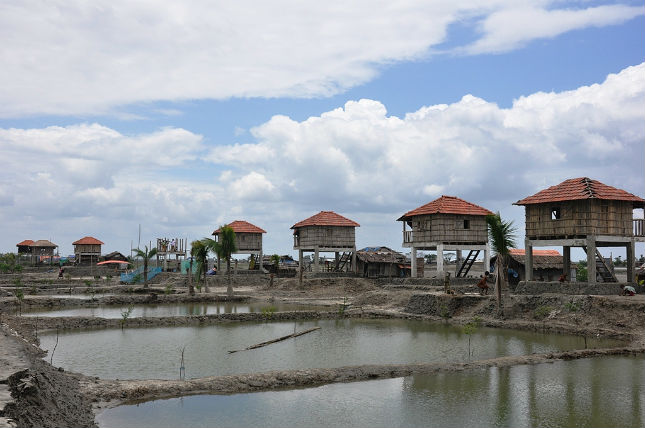
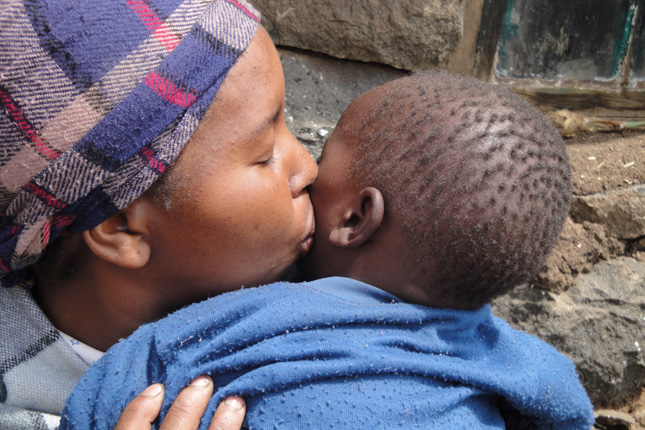
›Without warning, water rushed into a woman’s home on a raised platform above the floodplain of Bangladesh’s Teesta River. She was just a hand’s distance from her infant son, but she couldn’t stop him from falling into the floodwaters. “She can’t recover back from the trauma,” said the University of Dundee’s Nandan Mukerjee of the mother who lost her child to the currents of climate change.
-
The Single Best Intervention: Thirty Years of Safe Motherhood
›Over the last 30 years, the world has seen a 44 percent decrease in maternal mortality. At the same time, safe motherhood has evolved from an often neglected component of maternal and child health programs to a fundamental element of the global health agenda, leading to improved women’s health and rights. These advancements are, in large part, due to the 1987 establishment of the Safe Motherhood Initiative. To help celebrate the 30th anniversary of the Safe Motherhood Initiative, Dot Mom asked leaders in the field to reflect on the most impactful intervention of last 30 years. Join us at the Wilson Center on Friday, December 8, 1-5 p.m., to discuss these interventions—and those to come in the next 30 years.
-
Playing Energy Politics: The Risks of Securitizing Natural Gas Markets in Europe
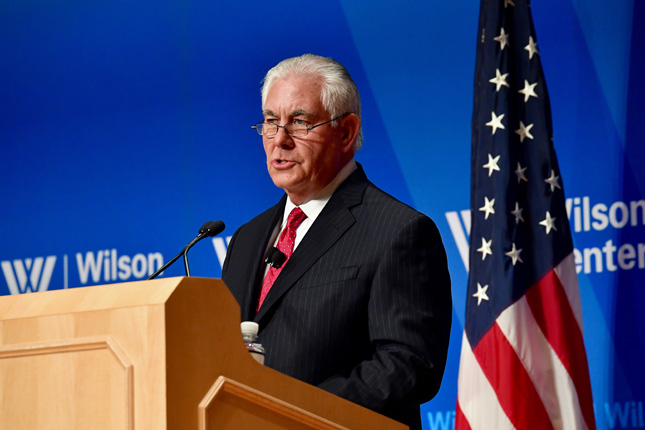
›Russia is “playing politics with energy supplies,” said U.S. Secretary of State Rex Tillerson at a major policy speech at the Wilson Center this week. He accused Russia of wielding natural gas “as a political weapon” and said that ensuring European energy security was “fundamental” to U.S. national security objectives. In Europe, the debate is raging over how best to achieve energy security in the face of the twin challenges of Russian dominance and the need to decarbonize the economy. The ongoing securitization of Russian natural gas could not only complicate the road to a low carbon future in Europe, it could also undermine a European integration project that has mostly been a success.
 A Publication of the Stimson Center.