-
The Workplace Has Failed to Adapt to Mothers’ Needs — and It’s Taking a Toll
›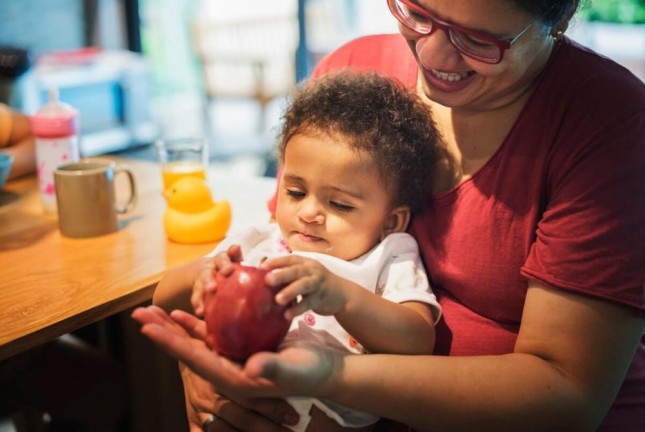
“I don’t wanna work anymore,” the comedian Ali Wong exclaimed in front of her audience on her recent Netflix stand-up show — she was heavily pregnant at the time. “Well, I don’t wanna lean in, OK? I wanna lie down,” she added, referring to Lean In, the iconic career advice book for women. The crowd roared with laughter.
-
African Free Trade Could Increase Resilience to Climate Change and Conflict
›
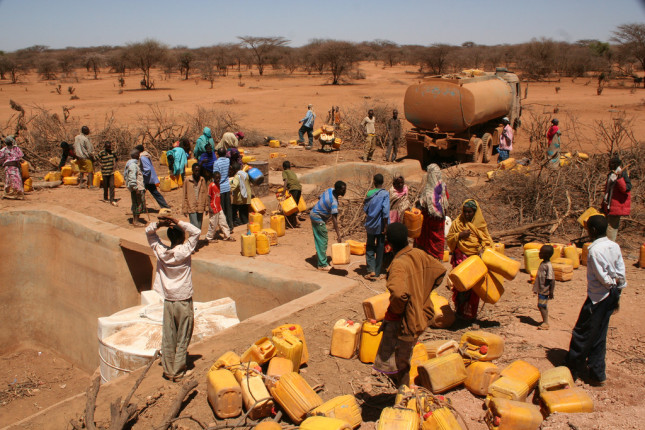
Developing countries are most vulnerable to the effects of climate change, such as drought, flooding, severe weather events, and threats to humanity’s basic needs like food, water, energy, and shelter. The African continent knows much about the impacts of climate change. But what can it do about it?
-
Warning: The Amazon May Soon Reach the Point of No Return on Forest Loss
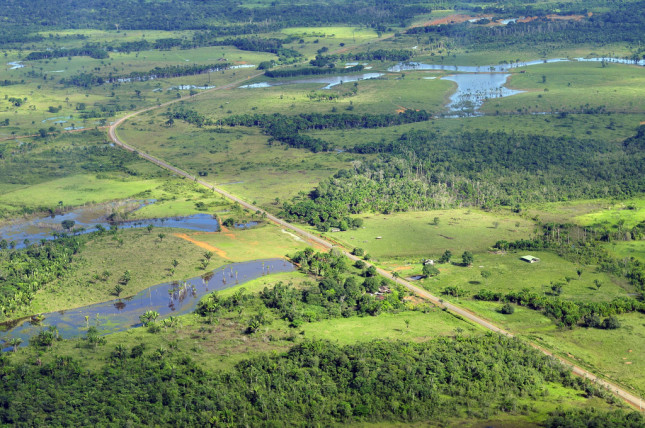
›“What we do during this decade can be critical for the future of Amazonia,” said São Paulo Research Foundation member, Paulo Artaxo, at a recent Wilson Center event on efforts to support sustainability and development in the Amazon region. The recently accelerating environmental change in the Amazon region warrants greater collaboration between the civil and scientific communities on community and international scales, according to a panel of experts.
-
Rare Earths: Scarce Natural Resource Needed for National Security Drives Innovation
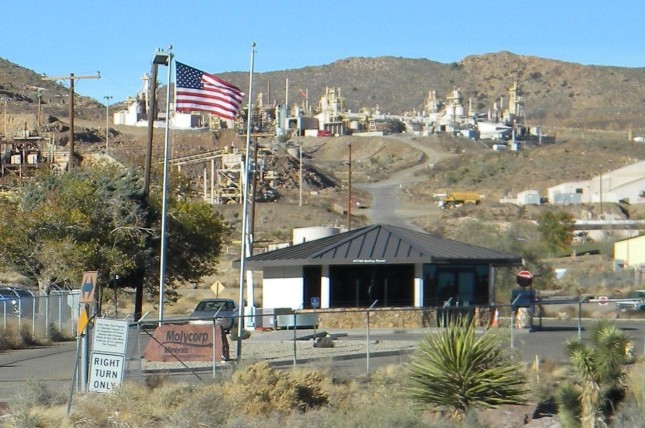
›Finding domestic alternatives for rare earths has become a matter of national security, according to a recently released Pentagon report. The United States’ defense, economy, and infrastructure depend on the electronics that rely on these mineral elements. Trade tensions between the United States and China over rare earths illustrate an important dynamic surrounding little-seen building blocks of our daily life.
-
Lessons from Post-Conflict States: Peacebuilding Must Factor in Environment and Climate Change
›The challenge of peacebuilding missions is not only to stop violence and prevent a rekindling of conflict, but also to help societies and governments reset their internal relations on a peaceful path towards sustaining peace.
-
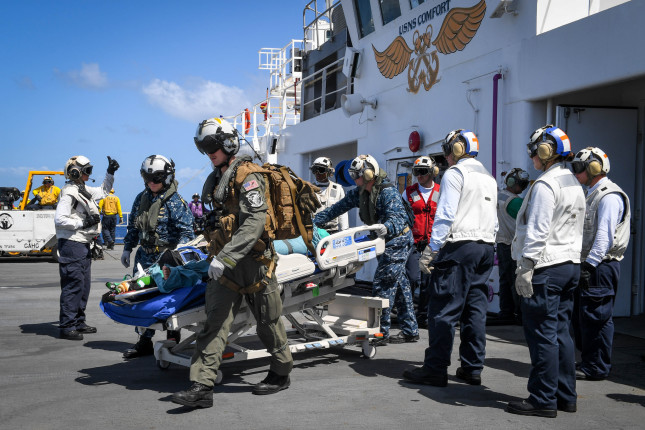
Hurricane Maria’s Death Toll: Public Health Researchers Voice Frustration
›Once again, we find ourselves witnessing another calamitous hurricane event in the United States, just weeks after a George Washington University report estimated that nearly 3,000 more people died in the 6 months following last year’s Hurricane Maria than would have without the hurricane. We have been here before, too many times. With each and every major disaster, the scientists who study public health in crises ask ourselves, is what we have learned and shared being taken seriously—or is it just being ignored? The response to Hurricane Maria, which devastated Puerto Rico last year, is just one more example where we have to ask if our work is valued by those who have the political power to improve public health. The staggering number of excess deaths—most of whom died after the storm—point to a deadly lack of prevention and preparedness, particularly in the public health system.
-
The Double Burden of Climate Exposure and State Fragility
›The security implications of climate change emerged as an important area of concern in the mid 2000s in both policy circles and academia. Since then, there has been much research exploring causal pathways between climate phenomena and violent conflict, often with inconclusive or mixed results.
-
China vs. United States: Competition Over Rare Minerals Ratchets Up
›“Historically, resource conflicts have often centered on fuel minerals, like oil. Future resources conflicts may however focus more on competition for non-fuel minerals that enable [modern] technologies,” said Andrew Gulley, Mineral Economist at the United States Geological Survey. America’s 2018 National Defense Strategy says that great power competition is the country’s most important defense challenge. Its key competitor for resources is China. Gulley was among several experts gathered at New America on September 20 to discuss the new competitive space and prospects for conflict or cooperation.
 A Publication of the Stimson Center.