-
Stopping Wildlife Trafficking Could Help Strengthen U.S. National Security
›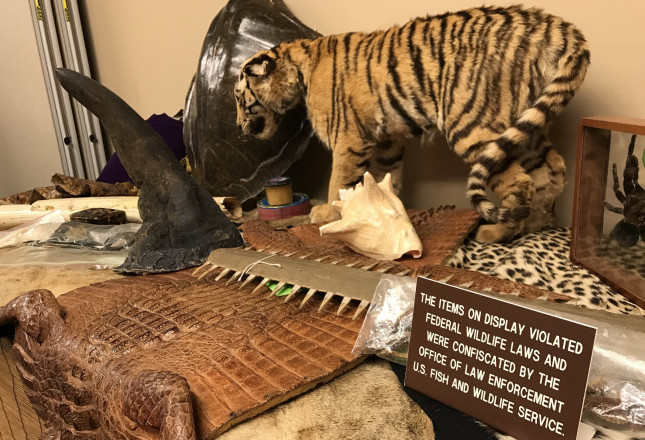
“The current administration needs to continue to work with nations, nonprofits, and the private sector to halt wildlife poaching, transit, and consumption,” said Chairman of the House Foreign Affairs Committee, Rep. Eliot Engel (D-NY) during his opening remarks at the recent Natural Security Capitol Hill Briefing. He and national security and conservation experts gathered for a panel discussion on how to combat wildlife trafficking and the effects of climate change on national security.
-
Water, Conflict, and Peacebuilding: A New Animated Short from the Wilson Center and USAID
›
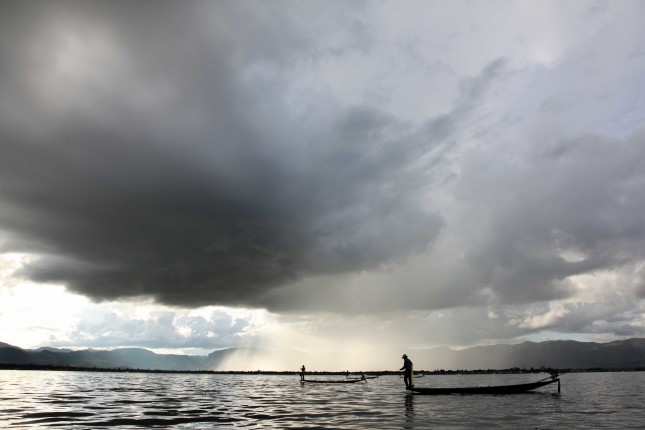
Water brings us together. It is essential to the health of individuals, the vitality of communities, and the stability of nations. A new animated short from the Wilson Center and USAID’s Office of Conflict Management and Mitigation celebrates how working together to ensure safe and sufficient water supplies not only increases the resilience of communities, but also helps build peace in war-torn nations.
-
Lower Mekong Governments and Development Partners Seek to Improve Water Data Sharing
›In the Mekong region, there is a general push to strengthen water data management and ultimately make evidence-based infrastructure development and water resources management decisions. The efforts of the region’s governments and development partners will ideally help mitigate the cumulative impacts of infrastructure development on water resources; save lives, livelihoods, and property from potentially devastating floods and droughts; and help natural resources be used sustainably. The challenge will involve navigating potential pitfalls related to technical know-how and harmonization of standards as they develop effective water data sharing platforms.
-
Mining Giant Behind Deadly Dam Collapse Took Lax Approach to Corporate Responsibility
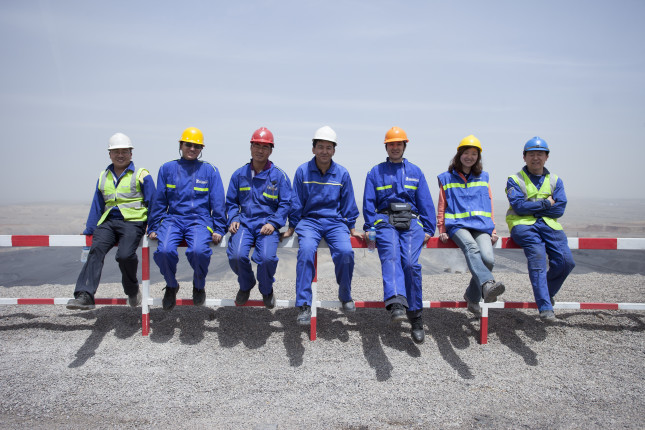
›On January 25, 2019, an iron ore mining dam collapsed in Brumadinho, Brazil. The accident was probably the worst mining dam incident in the last three decades, according to the UN. So far, 203 people have been found dead and 105 are still missing, buried underneath the wave of almost 13 million cubic meters of mining waste. At least 305 kilometers of the Paraopeba river are now covered in toxic mud. Vale SA, the company that built the dam, is the world’s largest iron ore producer.
-
New Report Pushes for Greater Focus on Resilience in Feed the Future’s Work in Nigeria
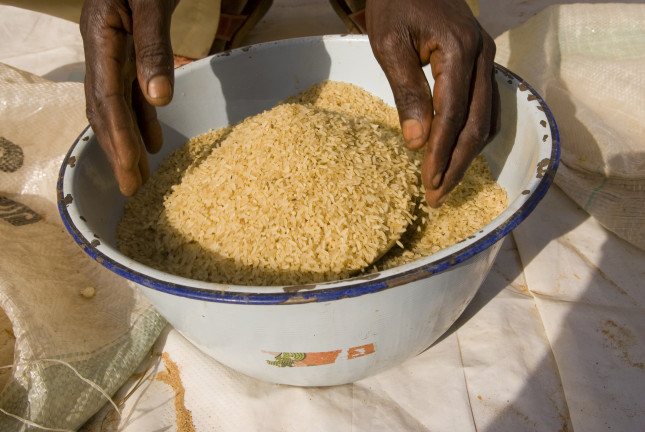
›“We are suggesting the tilt to resilience [in Nigeria] is not fully evident,” said Julie Howard, Senior Advisor with the Center for Strategic and International Studies’ (CSIS) Global Food Security Project. She spoke at a recent CSIS event launching a new report, Risk and Resilience: Advancing Food and Nutrition Security in Nigeria through Feed the Future. The report critiques the USAID global food security and hunger program, Feed the Future, which is attempting to expand on its work reducing poverty and malnutrition by adding a third priority: building resilience in the second phase of its campaign.
-
Coal Communities Struggle to Diversify
›Blanketed by freshly fallen snow, mountains of the Teton Range loomed above as I explored the picturesque town of Jackson, Wyoming. A native Bostonian, I had no experience in the heart of the country, but that week I wasn’t the only outsider wandering Jackson’s icy streets. In November 2018, experts from all over the world gathered in Jackson to attend the Jackson Hole Center for Global Affairs Forum with one common goal: to identify the challenges and opportunities for coal communities worldwide as they transition their economies away from coal.
-
How Building Political Will in Asia Could Improve Environmental Governance
›A high degree of political will is one of several pre-conditions needed for good environmental management, said Kim DeRidder, Regional Director for Environmental Programs at the Asia Foundation. He spoke at a round-table on Advancing Environmental Governance Across Asia hosted by the Asia Foundation. While he emphasized the need to promote political will within Asia, he questioned whether the bold pledges that some Asian countries made in the Paris Agreement, such as the Philippines’ pledge to reduce emissions by 70 percent by 2030 and Indonesia by 26 percent, were realistic given the significant disconnect between what a country claims it is going to do and what it can actually do.
-
Targeting Infrastructure Undermines Livelihoods in the West Bank
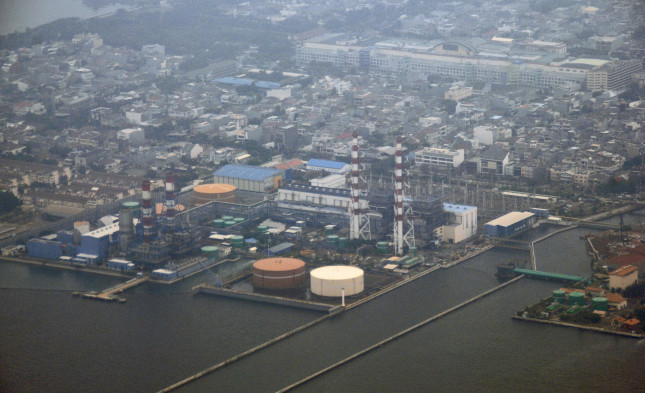
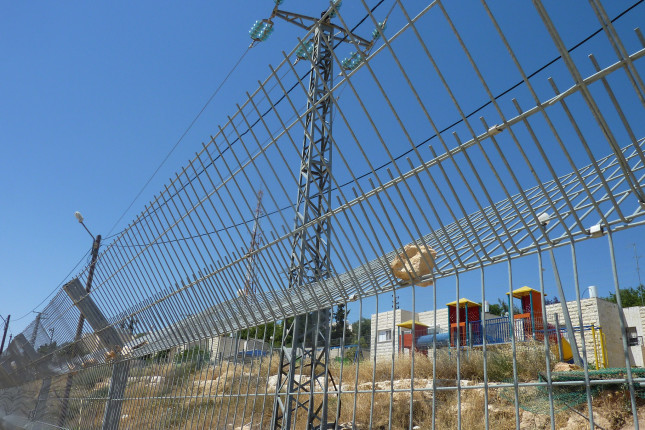
›In many Middle Eastern wars, targeting civilian infrastructure has become all too common. As we documented in a previous article, both state and non-state actors in wars since 2011 in Libya, Syria, and Yemen have targeted water, sanitation, and energy facilities to displace urban populations, punish civilians, and render local attempts to provide public services untenable. Destroying environmental and civilian infrastructure directly undermines livelihoods and human security.
 A Publication of the Stimson Center.