-
International Aid, Local Capacity Building: Improving Community Health Through Partnerships
›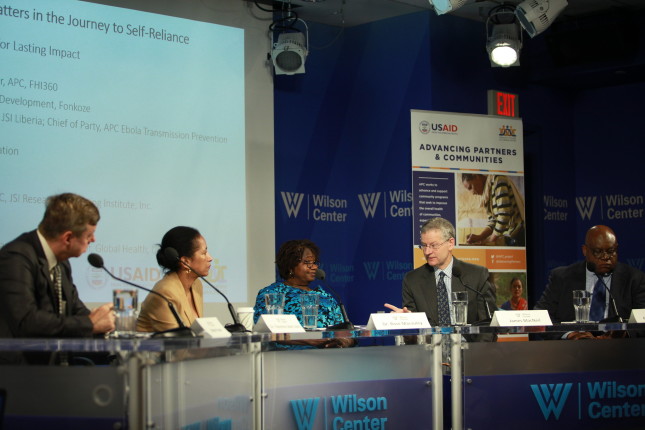
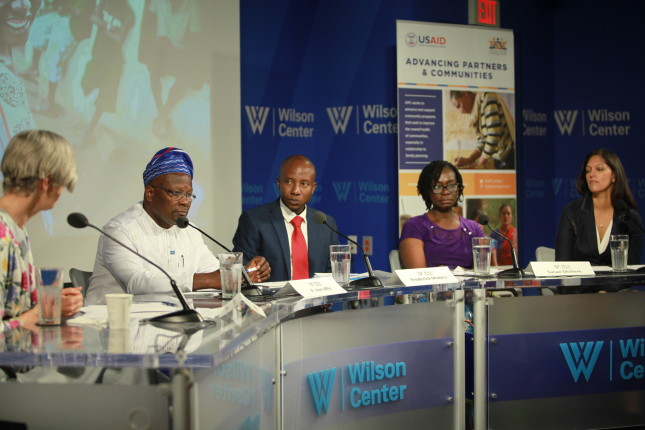
Seeing the influx of international aid into Haiti following the 2010 earthquake, Dr. Florence Jean-Louis, Director of Human Development at Fonkoze, asked herself, “How can all this support, all this solidarity, stay in-country and have a real impact in the long-term?” She spoke at a recent Wilson Center event on the importance of community health systems to the sustainable development and stability of countries. The answer, she concluded, was to build the capacity of local organizations.
-
Attitudes, Hotspots, and Role Models: Promoting Family Planning in Rural Communities
›
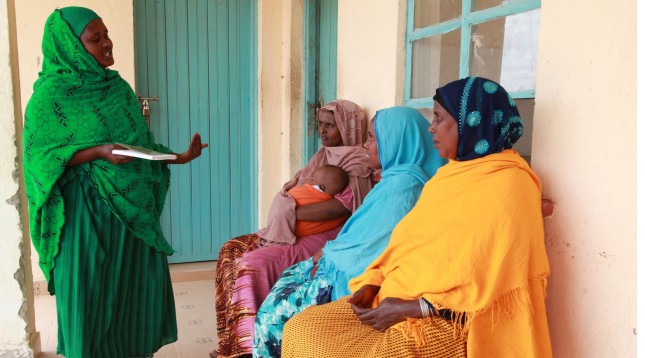
“Strengthening community health is critical to expanding voluntary family planning,” said A. Jean Affo, Chief of Party at Advancing Partners & Communities (APC) Benin at a recent Wilson Center event on the importance of community health systems to the sustainable development and stability of countries. In Benin, around half of the population lives in rural areas with a lack of access to quality healthcare services and information. Traditional attitudes and gender norms prevent women and couples from utilizing family planning methods, said Affo. Combined with early marriage, inadequate family planning leaves women and girls vulnerable to health issues associated with inadequate timing and spacing between pregnancies.
-
The Path to Self-Reliance: Building Community Health
›“We recognize that what we’re talking about is a journey, but we also recognize that people have dreams for themselves and what this is about is helping them achieve those dreams,” said Ellen Starbird, Director of the Office of Population and Reproductive Health at USAID, at a recent Wilson Center event about the importance of community health systems, with a particular focus on voluntary family planning and infectious disease prevention. This two-panel event focused on how USAID’s Advancing Partners & Communities (APC) project worked together with communities and partners to strengthen health systems and to support countries on the journey to self-reliance said Starbird.
-
New Report Addresses Climate and Fragility Risks in the Lake Chad Region
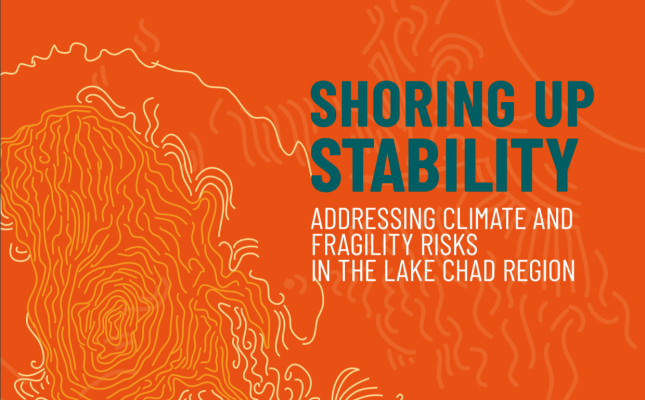
›May 15, 2019 // By Truett SparkmanContrary to popular belief, Lake Chad is not shrinking, according to Shoring up Stability: Addressing Climate and Fragility Risks in the Lake Chad Region, a new report from adelphi. This finding has profound implications for how the governments of countries bordering Lake Chad (Nigeria, Niger, Chad, and Cameroon) as well as the international community should address the conflict trap in which the people of the region are caught. “Supporting the people of the basin,” write the authors, “is not a function of saving Lake Chad from desiccation.”
-
The Top 5 Posts of April 2019
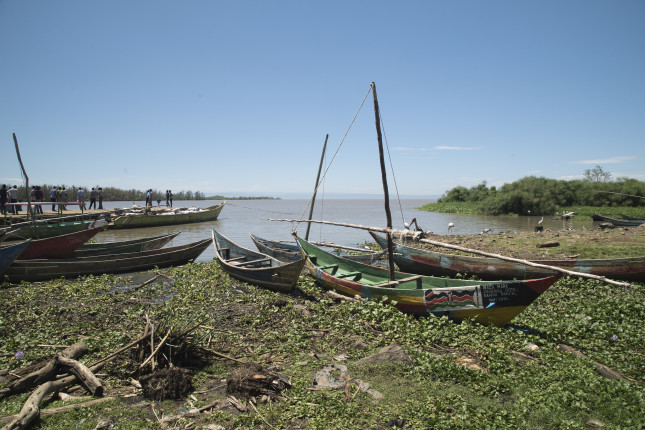
›In April’s top post, Sarah Glaser and Cullen Hendrix find that a mostly domestic armed conflict involving Joseph Kony and the Lord’s Resistance Army increased competition over Nile perch among fisherfolk, which created tensions between Kenya and Uganda.
-
Not Too Big—Not Too Small—Just Right: Sand Bioreactor Wastewater Treatment in Chinese Villages
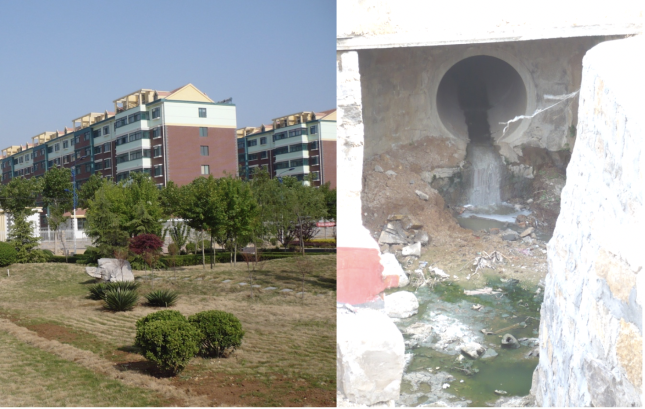
›One year after the Sichuan earthquake, while visiting villages near Wenchuan, I asked local officials planning reconstruction about their plans for wastewater treatment. As an agricultural engineering professor, I was not surprised to learn that they had no plans. It was not that a wastewater treatment system was too expensive, they worried that it would be too big.
-
Without Migrants, Who Will Take Care of You?
›The ongoing crisis at our southern border is exacerbating another, less visible, one—the crisis in elder and childcare in the United States. With baby boomers aging and more parents of young children working outside the home, our country’s need for non-familial caregivers is skyrocketing. Carework is growing five times faster than any other sector in our economy; in fact, it is set to become the largest paid occupation in the U.S. by next year. While US citizens are not keen to take these jobs, migrants, especially women, are. But the current bottleneck—not just at the border but throughout our immigration system—is slowing down the flow of these vital workers.
-
Climate Change May Weaken Children’s Education in the Tropics
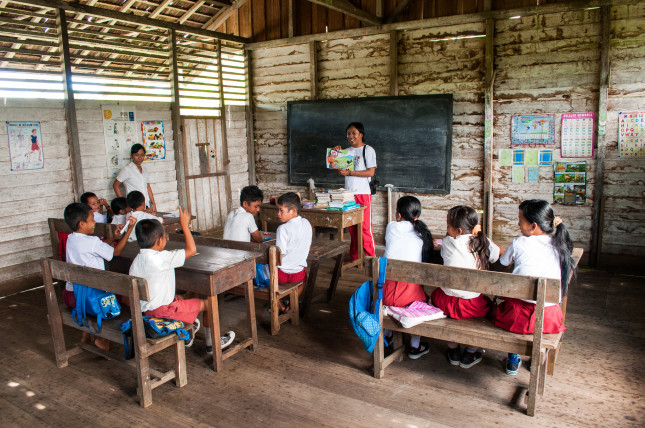
›In parts of the tropics, exposure to extreme temperature or rainfall in early life is associated with fewer years of schooling in later childhood. This finding comes from my new article in the Proceedings of the National Academy of Sciences, with coauthor Clark Gray. As climate change leads to increasingly severe heat waves, floods, droughts, and hurricanes, it is important to understand how extreme weather impacts kids’ education in different parts of the world. This will help decisionmakers develop solutions to keep children in school in a world of increasing climate variability.
 A Publication of the Stimson Center.