-
Foresight for Action | Improving Predictive Capabilities for Security Risks Related to Extreme Weather Events
›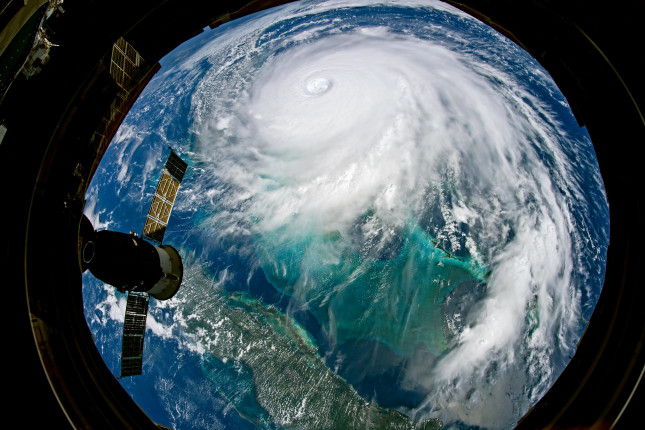
Evidence that extreme weather, water, and climate events pose critical security risks to the U.S. homeland, national security, and global stability has been mounting in recent years. From destabilizing droughts in Africa to devastating hurricanes and flooding in the United States, we are clearly seeing an increase in not only the frequency and severity of these events, but also their physical, social, and economic impacts.
-
The Environment Has Become a Hostage of Armed Conflict
›
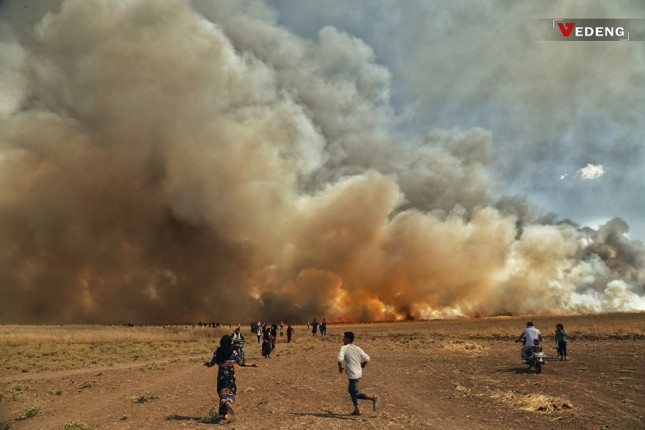
This year, 2019, marked a new nadir for the environment that may reflect an ominous trend in warfare: Environmentally sensitive targets are being weaponized and taken hostage. Farmland went up in flames and burning oil tankers dominated the headlines, serving as a stark reminder of conflict’s ripple effects.
-
Permafrost Melt, Rising Seas, and Coastal Erosion Threaten Arctic Communities
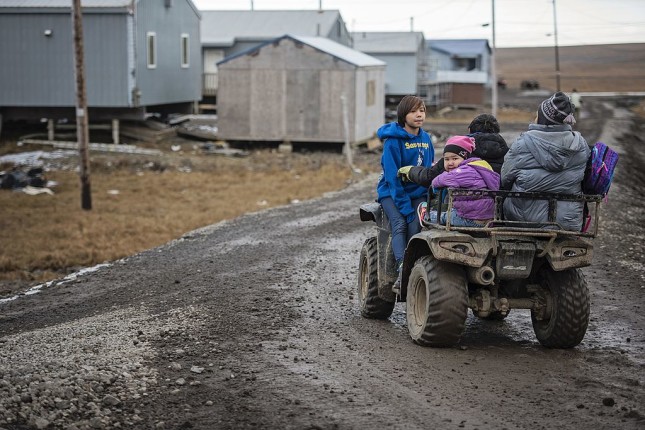
›November 5, 2019 // By Shawn Archbold“In 1959, he knew it was coming,” said Delbert Pungowiyi, a Yupik native of Savoonga, Alaska, on St. Lawrence Island in the Bering Sea in an interview at the Wilson Center’s 8th Syymposium on the Impacts of an Ice-Diminishing Arctic on Naval and Maritime Operations. “He prepared me my whole life for this. It is a crisis.”
-
Climate Change, Conflict, and Peacebuilding in Solomon Island Communities
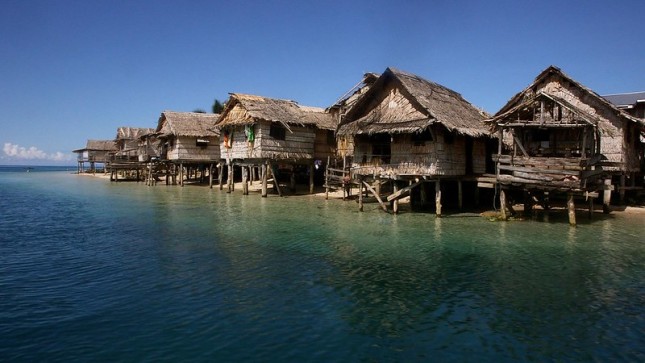
›Meaningful engagement with the social and conflict implications of climate change in Solomon Islands must be firmly grounded within local worldviews—within Solomon Islanders’ physical, economic, political, and social and spiritual worlds. As we note in a recent policy brief for the Toda Peace Institute, when addressing conflict challenges exacerbated or caused by climate change, approaches should be draw upon community understandings of what constitutes peace and justice.
-
Upcycling ‘Beach Snow’: Clearing Taiwan’s Oyster Farming Marine Debris
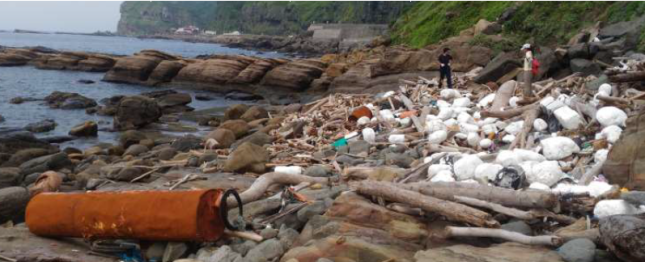
›“If you go to some Taiwan beaches, you can see snow,” said Chieh-Shen (Jason) Hu, Ocean Initiative Coordinator for Taiwan’s Society of Wilderness, a 6,000-member organization similar to Sierra Club. Hu was referring to pervasive Styrofoam marine debris from western Taiwan’s oldest industry, oyster aquaculture.
-
Rehabilitating North Korea’s Forests: The Struggle to Balance Conservation with Livelihoods
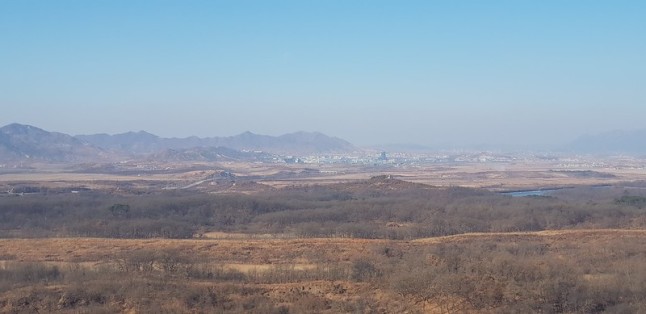
›Venerated in art and poetry, Korea’s verdant mountain forests hold a special place in Korean people’s hearts. Like their political systems and economies, however, forest fortunes in North and South Korea have gone in very different directions since the country’s division more than 70 years ago.
-
Family Planning in Humanitarian Settings is Achievable and Effective
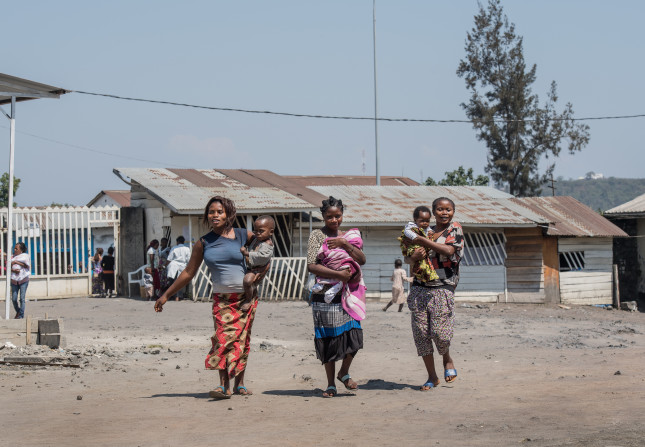
›“Family planning saves lives, even in times of crisis,” said Gwen K. Young, Managing Director at the Global Emergency Response Coalition at a Wilson Center event on October 8 on the importance of providing family planning and reproductive health services in humanitarian settings. Speakers from Save the Children, CARE, the International Rescue Committee, and FP2020 spoke to programmatic successes, innovative solutions, and local partnerships in fragile settings. Young highlighted that 1 in 70 people worldwide need humanitarian assistance and a quarter of these are women and girls of reproductive age. All told, more than 30 million women and girls in 42 countries.
-
Hydro-Nationalism: Future Water Woes Call for Radical New Borders
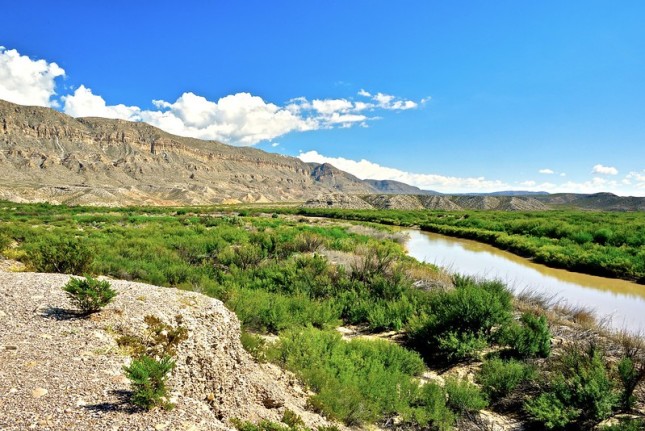
›International political boundaries are arbitrary creations. Today’s borders are better described as imaginary lines on maps, rather than hard barriers between states. Often using mountains, rivers, or other geographical landmarks, modern borders are entrenched in historic tradition rather than logic and fact. As a result, today’s international borders are poorly equipped to handle modern challenges, in particular climate change, which has already begun to threaten the most important state resource, fresh water.
 A Publication of the Stimson Center.