
-
To End Fistula by 2030, First Strengthen the Healthcare Workforce
› When childbirth takes place without skilled birth attendants or adequate emergency obstetric care, a woman may suffer from obstetric fistula. Women with fistula live with uncontrollable urinary and/or fecal incontinence, because a hole has formed between the birth canal and bladder or rectum. They have usually survived prolonged/obstructed labor, often lost their child to stillbirth, and frequently face severe social isolation and stigma. There are also now more and more women suffering from iatrogenic fistula caused by injuries during pelvic surgery, especially obstetric or gynecological surgery. Between 1 million and 2 million women currently need fistula repair, with thousands of new cases each year. However, most fistulas can be treated, enabling women to resume healthy, productive lives in their communities. Recognizing this, the United Nations has issued a call to end fistula by 2030.
 -
Are We Radically Underestimating the Effects of Climate on Armed Conflict?
›Climate change is widely recognized as a “threat multiplier.” From the United Nations to the G7 to the US Department of Defense, there is emerging consensus that climate change poses risks to both human and natural security through a variety of complex and interrelated channels. The extent of those risks, and how they connect to armed conflict, however, remain widely debated. -
Paying for the Spout: Innovative Financing Could Expand Access to Water
›Water Security for a Resilient World // March 2, 2020 // By Wania Yad, Amanda King, Kelly Bridges & Thomas Boynton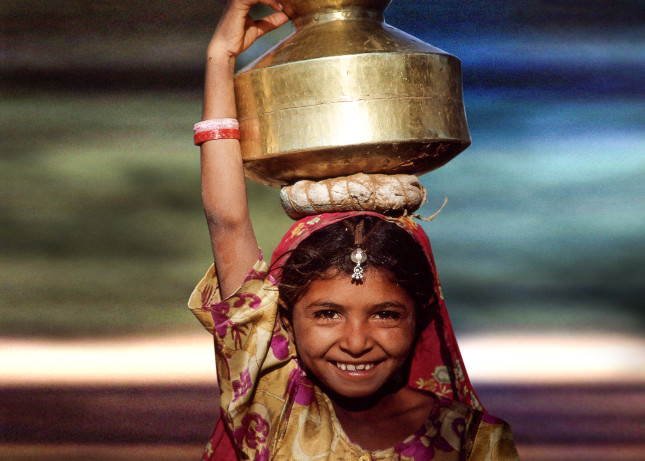
Safe water, sanitation, and hygiene (WASH) are vital for human well-being. However, 1 in 3 people (approximately 2.2 billion) still lack safe drinking water, 4.2 billion do not have access to safely managed sanitation services, and 829,000 people die annually from unsafe water and related sanitation and hygiene around the world.
-
From Arms to Farms: A Conversation with Casimiro Olvida
›“This project is serious,” Casimiro Olvida said. “It will help the community. If you do not believe me, you can kill me anytime.” He recalled saying this in 1995 to Communist rebels in Mindanao who were suspicious that his USAID-funded team was supporting the Philippine government. We have the same goals, he told them, to help the poor and protect the environment. Apparently, he was convincing. Now Watershed Protection Project Manager of the Sarangani Energy Corporation, Olvida spoke in this week’s podcast with ECSP’s Lauren Risi, at the International Conference on Environmental Peacebuilding in October 2019, describing his decades of work in forest management in the Philippines. -
Delivering a Solution to the World’s Ocean Plastic Problem
›In 2017, the Green Volunteer League of Chongqing, an environmental NGO, filed a suit against China’s three biggest food delivery companies—Meituan, Baidu, and Ele.me—for damaging the environment by generating excessive waste. Specifically, these three e-commerce platforms provided consumers with single-use chopsticks that consumed 6,700 trees every day as well as massive amounts of plastic containers, bags, and utensils. Today, over 400 million Chinese are regular users of food delivery. Since summer 2019, daily app use for Meituan was over 30 million orders, generating 100 million plastic containers every day—enough to carpet 360 football fields.
-
To Fight for a Living Planet, Restore its Biology
› We face the greatest environmental challenges ever relating to climate change, biodiversity, land use, and more. Humans are driving 1 million species to extinction, according to a report by the UN-backed Intergovernmental Science-Policy Platform on Biodiversity and Ecosystem Services. Some $44 trillion of annual global economic product that depend on nature are in jeopardy. Fires have ravaged large swathes of the Amazon—Brazil and Bolivia in particular—and Australia. -
Why Climate and Conflict Are Shaping the Crises of Our Time (And What To Do About It)
›Humanitarian need is increasing. Crises are becoming more complex through the interactions between climate change, disasters, and conflicts. Not only are humanitarian crises on the rise, but the nature of crises is changing, largely due to climate change-driven extremes such as floods, droughts and typhoons. Over 90 percent of disasters are believed to be related to climate. -
Wim Zwijnenburg on Using Data to Visualize the Impacts of Conflict on the Environment
›Through open source information, remote sensing, and existing data, we can have a better sense of how conflict impacts the environment and how it then impacts people depending on the environment, said Wim Zwijnenburg, a Humanitarian Disarmament Project Leader for the Dutch peace organization, PAX, in this week’s Friday Podcast. Wim sat down for an interview with ECSP’s Amanda King at the first International Conference on Environmental Peacebuilding, hosted at the University of California, Irvine, in October 2019.
 A Publication of the Stimson Center.
 When childbirth takes place without skilled birth attendants or adequate emergency obstetric care, a woman may suffer from obstetric fistula. Women with fistula live with uncontrollable urinary and/or fecal incontinence, because a hole has formed between the birth canal and bladder or rectum. They have usually survived prolonged/obstructed labor, often lost their child to stillbirth, and frequently face severe social isolation and stigma. There are also now more and more women suffering from iatrogenic fistula caused by injuries during pelvic surgery, especially obstetric or gynecological surgery. Between 1 million and 2 million women currently need fistula repair, with thousands of new cases each year. However, most fistulas can be treated, enabling women to resume
 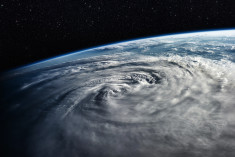 Climate change is widely recognized as a “threat multiplier.” From the
  “This project is serious,” Casimiro Olvida said. “It will help the community. If you do not believe me, you can kill me anytime.” He recalled saying this in 1995 to Communist rebels in Mindanao who were suspicious that his USAID-funded team was supporting the Philippine government. We have the same goals, he told them, to help the poor and protect the environment. Apparently, he was convincing. Now Watershed Protection Project Manager of the Sarangani Energy Corporation, Olvida spoke in this week’s podcast with ECSP’s Lauren Risi, at the International Conference on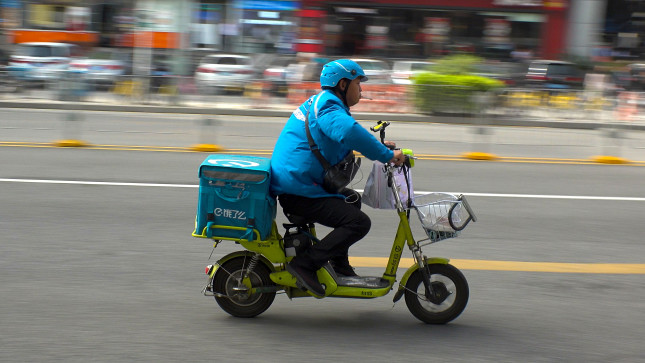
 We face the greatest environmental challenges ever relating to climate change, biodiversity, land use, and more. Humans are driving 1 million species to extinction, according to a
 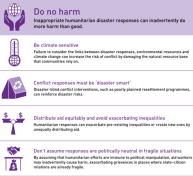 Humanitarian need is increasing. Crises are becoming more complex through the interactions between climate change, disasters, and conflicts. Not only are humanitarian crises on the rise, but the nature of crises is changing, largely due to climate change-driven extremes such as floods, droughts and typhoons. Over
  Through open source information, remote sensing, and existing data, we can have a better sense of how conflict impacts the environment and how it then impacts people depending on the environment, said Wim Zwijnenburg, a Humanitarian Disarmament Project Leader for the

