-
Zafar Imran, Le Monde diplomatique
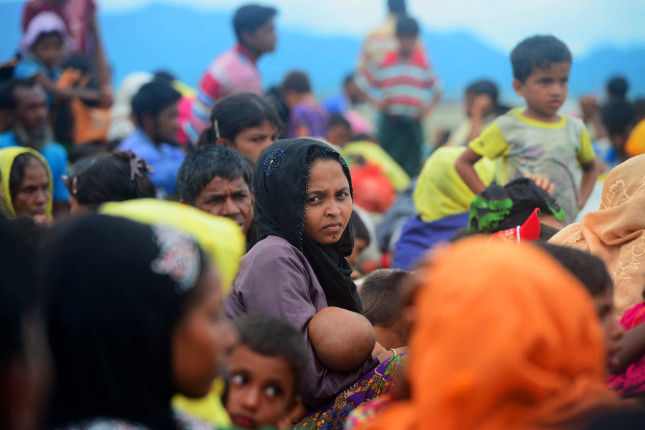
Climate Change in the Indian Farmers’ Protest
›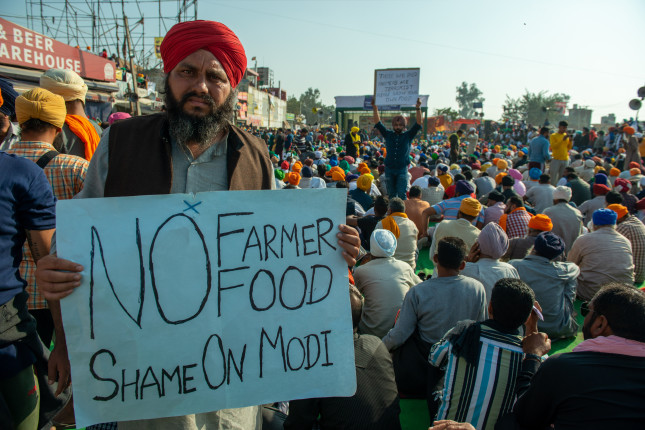
The ongoing farmers’ movement in India has taken the world’s largest democracy by storm. Hundreds of thousands from all over the country have laid siege to New Delhi for more than two months. As both the protestors and the government dig their heels in, the chances of confrontation and violence are increasing by the day.
-
In Humanitarian Settings, Addressing Gender-Based Violence is Paramount
›
“One hundred thirty-seven women are killed by a family member every day,” said Beth Schlachter, Executive Director of Family Planning 2020. “That’s a staggering statistic.” She spoke at a recent Wilson Center event about gender-based violence (GBV) in conflict and humanitarian settings in partnership with CARE, the International Rescue Committee (IRC), Save the Children, and the Women’s Refugee Commission. The event was a part of a Wilson Center series recognizing the United Nation’s “16 Days of Activism Against Gender-Based Violence” and commemorated our friend and colleague, Jennifer Schlecht.
-
Tip of the Iceberg: Polar Ice Loss Effects the Planet
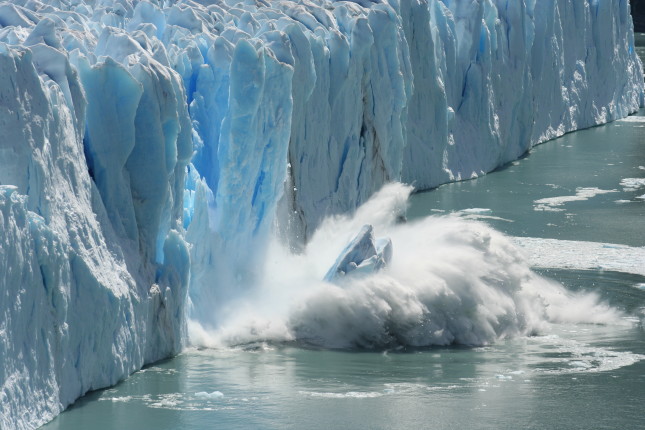
›When the United States purchased Alaska from Russia, Americans considered the “frozen wasteland” to be a reckless, wasteful acquisition. What could ice possibly offer?
In fact, polar ice is a critical resource for the Earth. The summer and fall of 2020 marked the lowest sea ice extent ever recorded in the Arctic Ocean, and the Intergovernmental Panel on Climate Change (IPCC) says contemporary September sea ice extents are so low that they are unprecedented in at least 1,000 years. Moreover, collapses in the ice shelves of West Antarctica, Canada, and Greenland raised concerns in 2020. The immediate effects of climate change in the polar regions are merely the tip of the iceberg—ultimately, they have profound effects on climate and communities around the world.
-
Managing Fisheries Conflict in the 21st Century: A Role for Regional Management Organizations?
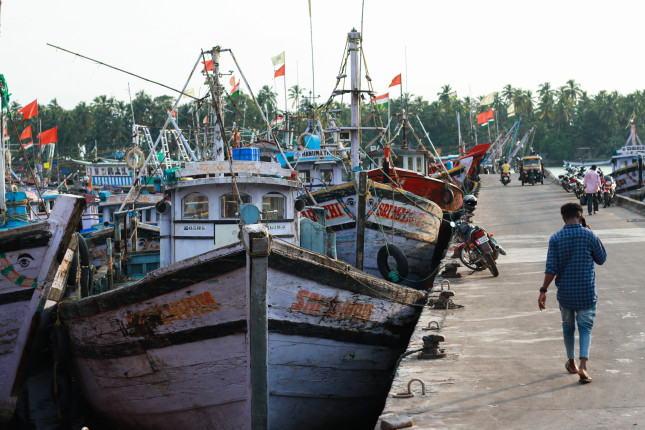
›Are climate change and declining fisheries productivity likely to lead to a future of fish wars, or can existing fisheries management institutions evolve to help prevent large-scale fisheries conflict? From militarized fishing practices in the South China Sea, to the ongoing wrangling between the European Union and Great Britain over fishing rights, to violent clashes between indigenous and non-indigenous fishers in Canada, fisheries are at the center of many international, or at least inter-governmental, disputes.
-
Leverage COVID-19 Data Collection Networks for Environmental Peacebuilding
›Environmental peacebuilding could benefit from COVID-era data innovation. A well-documented obstacle environmental peacebuilders face is a lack of shared, empirical datasets among parties engaged in, recovering from, or descending into conflict. Current innovations in data collection may soon help seal these gaps.
Countries throughout the world have expanded their data collection capabilities to track the spread of COVID-19. From text message contact tracing to drone surveillance, these innovations inform national responses and shape the global case counting webpages that many of us anxiously refresh every day. The information networks established during the pandemic may endure far into the future, informing new goals, projects, and policies.
-
Waste Not Want Not: Malaysia Moves to Become a Leader in Tackling Plastic Waste
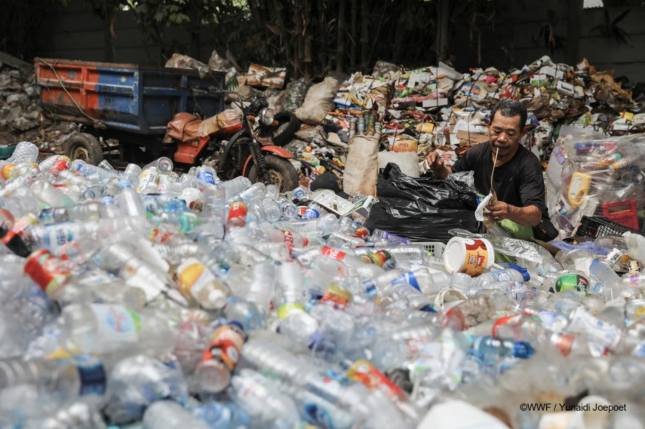
›After China issued its plastic waste import ban in January 2018, global plastic waste shipments were quickly rerouted to Southeast Asia, with Malaysia as a top recipient. Like bamboo sprouts after the rain, illegal plastic recycling facilities quickly popped up in Malaysia. To stay under the radar, some operators set up recycling plants and waste dumpsites in oil palm plantations.
-
COVID-19 Adds to Challenges of Curbing Child Marriage
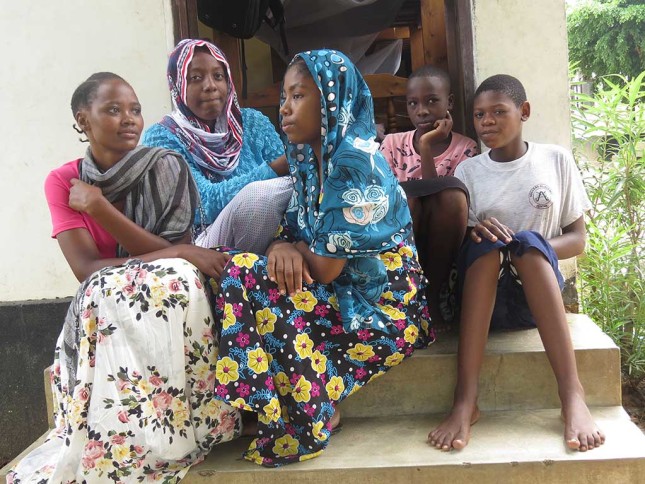
›When Mwanahamisi Abdallah’s mother announced plans to marry her off to a stranger, the 14-year-old Tanzanian girl burst into tears. She had no desire to marry—especially after learning the man already had three wives. Remembering advice from a teacher, she phoned authorities to intervene. They blocked the wedding and eventually delivered Mwanahamisi from her village in southeastern Lindi region to a girls’ shelter in Dar es Salaam.
-
Earth Intel: Enhancing Researcher-Practitioner Partnerships to Address Eco-Security Challenges
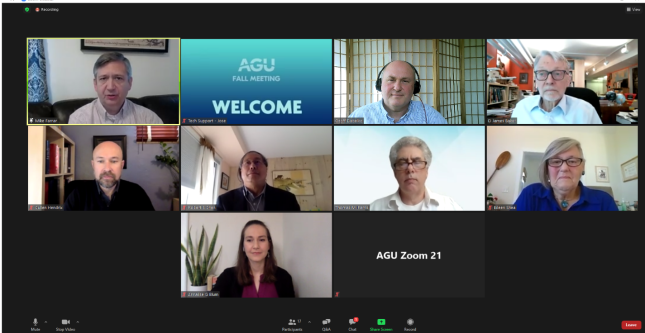
›“One of the most important accomplishments of the MEDEA program was to convince the intelligence community that near-term climate change is important for national security,” said D. James Baker, former Administrator of the National Oceanic and Atmospheric Administration (NOAA) and member of the MEDEA Program, at a panel at the American Geophysical Union’s virtual 2020 Fall Meeting. Organized by ISciences LLC’s Tom Parris, CASE Consultants International’s Eileen Shea, and Columbia University’ Robert Chen, the panel focused on how to build an effective knowledge-to-action enterprise that helps policymakers and society respond to emerging eco-security challenges. (See below for links to short, pre-recorded videos panelists shared prior to the panel to inform the discussion.)
 A Publication of the Stimson Center.