-
America’s New Modernization Project
›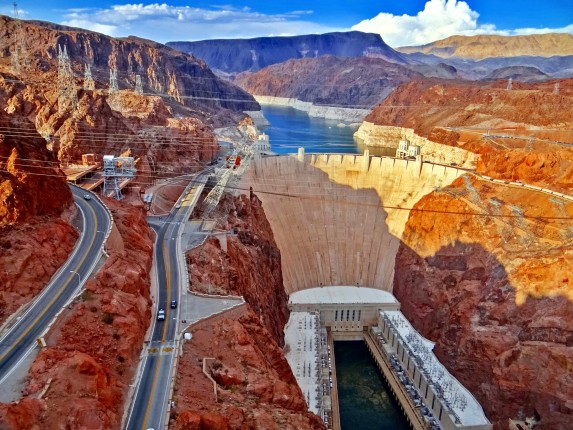
Last April, Vice President Kamala Harris visited the Upper San Leandro treatment plant in Oakland, her Californian hometown. The American Jobs Plan, she told her constituency, will deliver over a hundred billion dollars for the upgrade of U.S. water supply infrastructure. In truth, the investment plan, one of the largest in a generation, is far more ambitious than that. Across all proposed expenditures, it includes not just the upgrade of all water piping, but also remediation, flood protection, ecosystem restoration, and the climate proofing of economic activities. All these initiatives place water at the heart of recovery and resilience.
-
The Top 5 Posts of May 2021
›
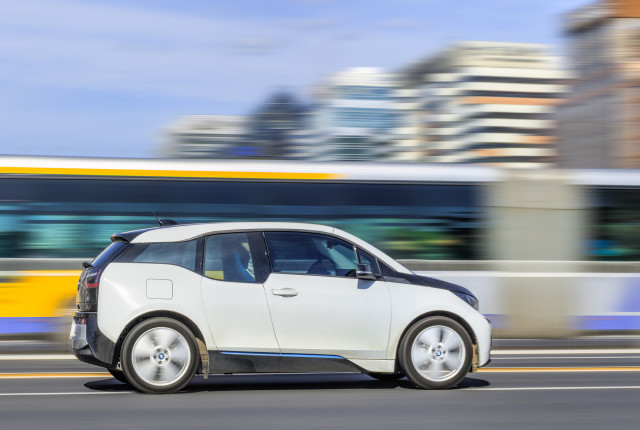
Green innovation and low-carbon transport are increasingly becoming an international priority. In this month’s top post, Ruyi Li writes about how both the United States and Chinese governments are expanding electric vehicle markets, which may inspire collaboration and competition on reaching carbon neutrality goals.
-
Most LGBTQ+ Individuals Remain in the “Global Closet”–At Great Cost to Global Health
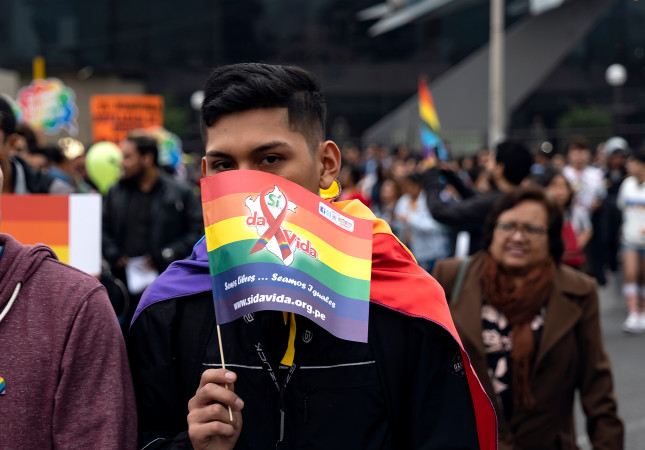
›Pride month 2021 is underway, with parades, celebrations, and advocacy movements all over the world. Given the month’s celebratory nature—along with the increasing acceptance of and recent victories for LGBTQ+ * (lesbian, gay, bisexual, transgender, queer or questioning, and others) communities in some countries—it might be easy to assume that most lesbian, gay, and bisexual individuals are “out.” However, according to a study by the Yale School of Public Health, this is far from the case. The vast majority of lesbian, gay, and bisexual individuals remain in the closet, concealing their sexual orientation from “all or most” people in their lives.
-
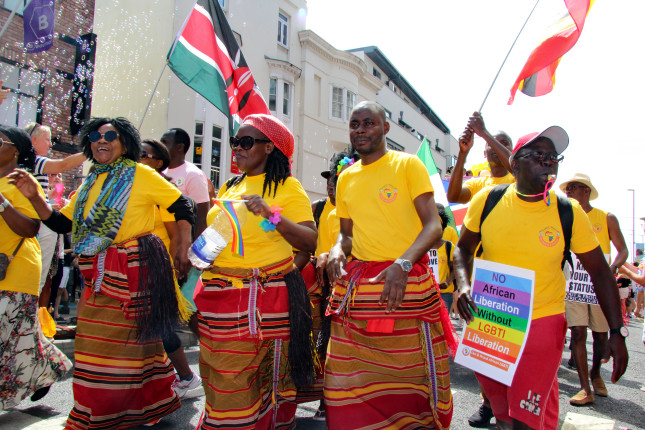
Heteronormativity in the International Development Sector and Why We Need to Get Over It
›After enduring sexual violence in the DRC conflict, Steven Kighoma fled to Uganda where he became an activist with the NGO, Men of Hope Refugee Association, supporting male victims of conflict-related sexual violence. The experiences of male victims include rape, being forced to watch family members being raped, being beaten on the genitals, and enduring other kinds of abuse. Compounding their trauma, men who have suffered sexual violence in the region are often seen as not properly masculine and face homophobic violence and criminalization, regardless of their sexual orientation. In addition, they face exclusion from survivor support services which assume that only women face sexual violence.
The biggest challenge is “the ignorance of the government, the medical institutions, the community, not knowing a male victim of sexual violence exists,” says Kighoma. “There is a confusion when you talk about male victims of sexual violence. People confuse it with homosexuality.”
-
Benjamin Pohl, Climate Diplomacy
Sustaining a climate for peace
›June 14, 2021 // By Wilson Center Staff -
From Rhetoric to Response: Addressing Climate Security with International Development
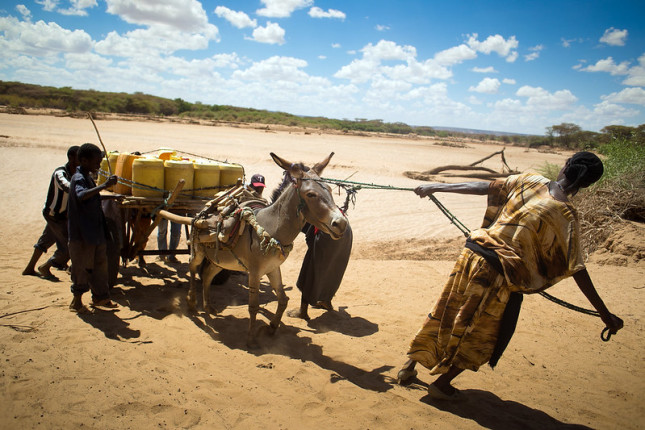
›Over the past decade, our understanding of how climate change affects conflict and security has advanced considerably. Yet, how to best address the overlapping challenges of climate change, conflict, and human security remains an open question. In an article published in World Development, I address this topic by examining how climate security discourses inform development policy and, in turn, how the structures of development enable or constrain institutional capacity to address climate security. This research identifies not only the unique barriers the development sector must overcome, but also the ways in which the most common framings of climate change (i.e., as a threat multiplier) limit the scope for policy and programming.
-
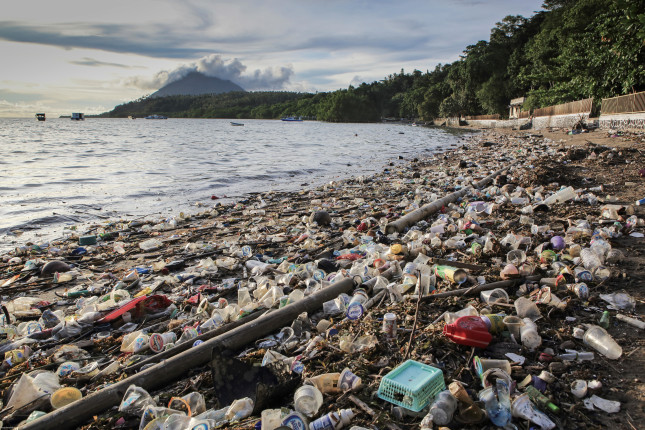
Indonesia is Facing a Plastic Waste Emergency
›Attempts to reduce the amount of waste flowing into the ocean from Indonesia are having limited success.
-
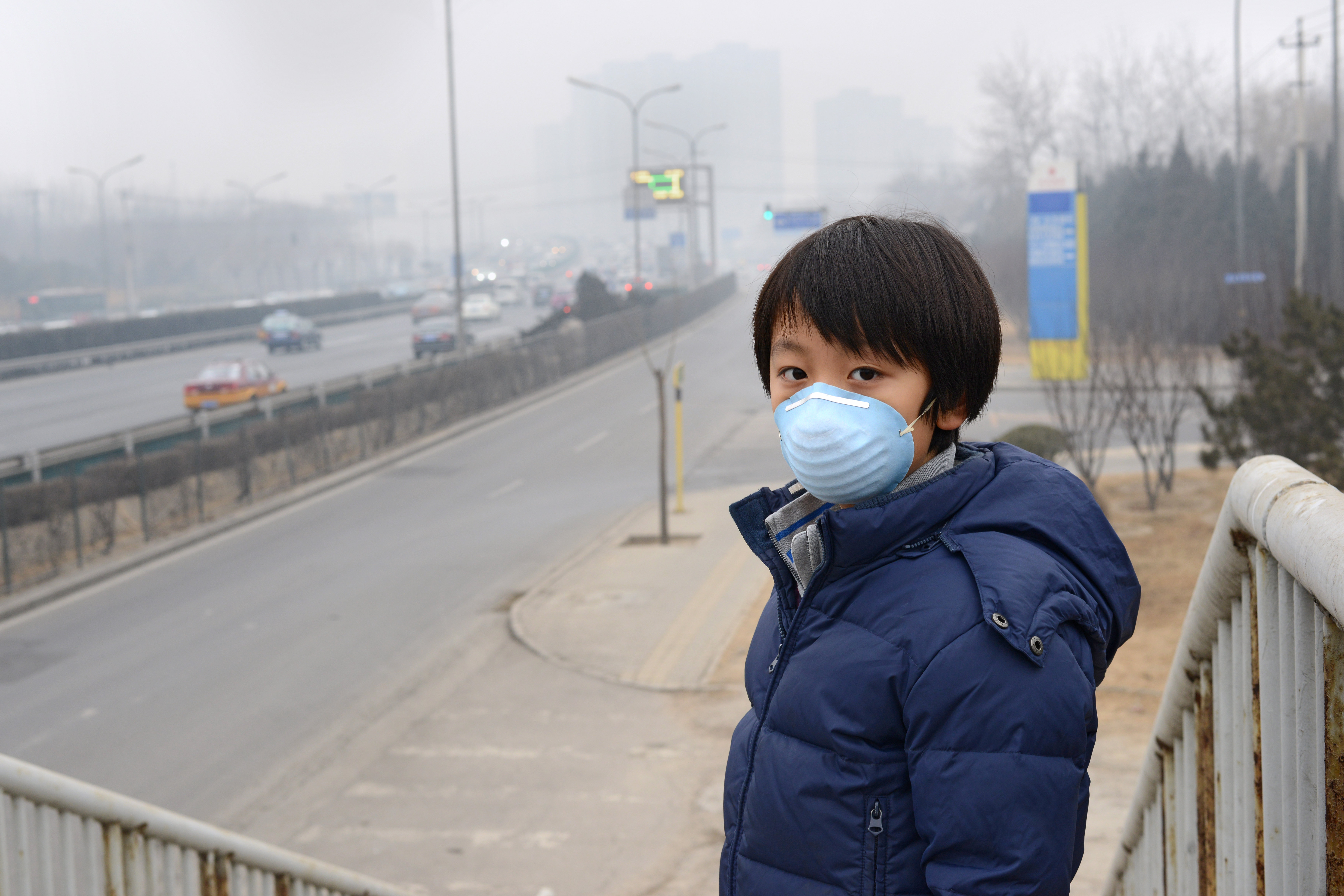
China’s Coercive Greening Policies
›Smog, water pollution, deforestation and desertification—for decades, citizen activists and protestors have attempted to fight the environmental impacts of China’s development and industrialization. Now, confronted with climate change, the Communist Party of China (CCP) is well aware not only of citizen discontent, but also of the risks that climate change poses to the long term security, stability, and survivability of the regime. Rising seas will affect the great cities of Shanghai, Tianjin, and other areas along China’s coast. Glacier melt on the Tibetan Plateau will cause floods in the short term and in the long run fail to replenish the falling aquifers of the thirsty North China Plain. The prospect of high numbers of displaced Chinese citizens, internally displaced by global warming, is real.
 A Publication of the Stimson Center.