-
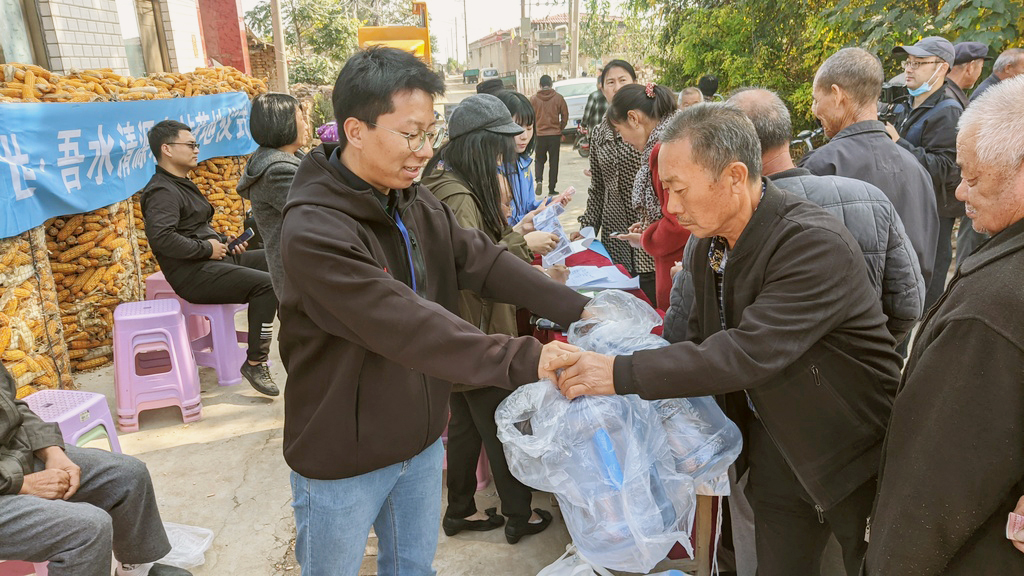
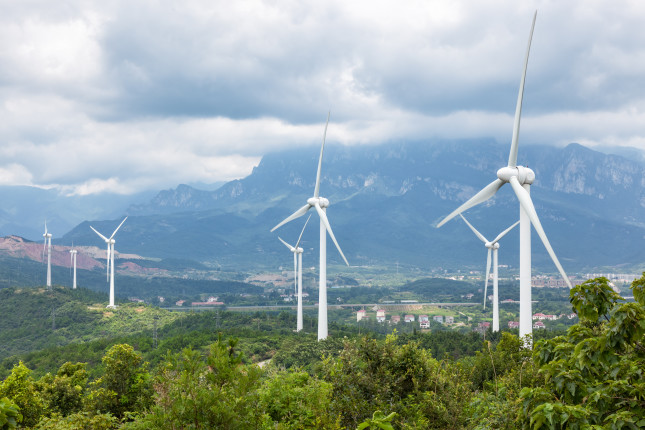
Community-managed Water Investments in Rural China: A Path for Financing WASH
›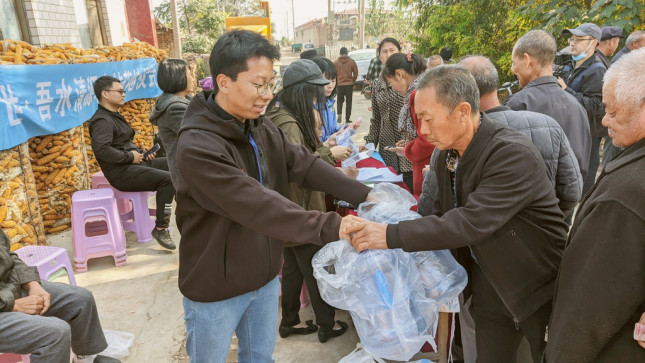
Better access to safe drinking water and sanitation around the world could prevent the deaths of 297,000 children aged under 5 years from diarrhea each year. Likewise, the risk of infection of other common infectious diseases including cholera, hepatitis A, typhoid, and most recently – the coronavirus, can be reduced by improving access to clean water and sanitation facilities.
-
No Vaccine to End the Shadow Pandemic of Gender-Based Violence
›“Addressing gender equity and equality is essential to every other challenge we face,” said U.S. Vice President Kamala Harris in a recent speech at the Generation Equality Forum. Following the forum, countries across Francophone Africa made key commitments to end gender-based violence (GBV), including child marriage.
-
Getting Back on Track with Global Poverty Reduction
›No country has escaped the setbacks caused by COVID-19, but impacts on low-income countries are proving far worse. The World Bank estimates the pandemic and the actions necessary to contain it will drive 150 million people globally into extreme poverty. Post-pandemic, there will likely be long-term effects. Even with this grim reality, there is hope. Governments and international development organizations have accumulated a wealth of knowledge about what works to reduce poverty and increase economic activity. As the Biden administration and other actors work to build a post-pandemic environment, key lessons can be drawn from this knowledge to inform recovery efforts.
-
Grassroots Action to Combat Plastics in Asian Rivers: A Conversation with ECOTON Founders Daru Setyorini and Prigi Arisandi
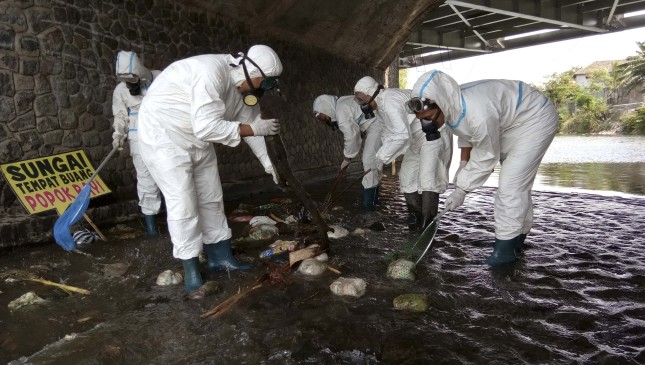
›In Sidoarjo City, Indonesia, student river detectives catalog the microplastics they sample from the Brantas River, the longest river in East Java. Plastic waste threatens this water that seventeen million people depend on for drinking water, fishing, and irrigation. Daru Setyorini and her team from ECOTON (Ecological Observation and Wetlands Conservation) organized this program to educate youth and inform policymakers on the scope of the problem.
-
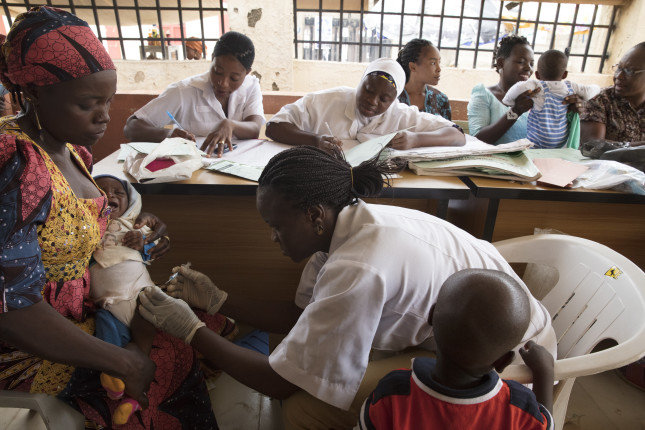
Understanding Hesitancy for Childhood Vaccines in Nigeria – It’s Not Just About COVID-19
›Vaccination hesitancy, even in the midst of a global pandemic, is a major barrier to the elimination of several highly contagious and deadly diseases. While COVID-19 vaccines are getting the most attention, they are not the only vaccines that protect against deadly contagious diseases. And as with the COVID-19 vaccines, around the world, many communities are insufficiently covered by vaccines—particularly children. This is especially true in West Africa, where—though improving—childhood immunization rates still lag behind much of the world. To explore reasons for these persistent low childhood immunization rates, Breakthrough RESEARCH, a USAID-funded project that works to expand the evidence base for social and behavior change programming, increase healthy behaviors, and enable positive social norms through improved social and behavior change programming, conducted a study to look at behavioral drivers of decision-making about vaccines in Nigeria.
-
“Green” China on the Global Stage
›Young Africans are flocking to Confucius Institutes to learn Chinese and throw in their lot with the Asian superpower. The “Chinese Dream” is leaving the American Dream in tatters in much of the developing world. Many developing countries see partnerships with China as the route to their future success, especially in an era in which the United States has turned inward and is apparently a less generous and reliable partner. However, anti-Chinese sentiment is also intensifying. Chinese loans and investment are welcome, but recipients are also unsure about the environmental and social implications of partnering with such an untested player.
-
Empowered Aid: New Toolkit Helps Detect and Prevent Sexual Exploitation and Abuse in Humanitarian Assistance
›Seventy-three percent of women and girls receiving aid at one food program in Uganda reported being afraid during at least one point in the distribution process, said Hope Harriet, Empowered Aid Research Manager. Harriet spoke at the launch event for Empowered Aid’s Toolkit for Planning and Monitoring Safer Aid Distributions. Empowered Aid is a participatory action research project focused on addressing sexual exploitation and abuse (SEA) in humanitarian settings and aid distribution. The project is led by the Global Women’s Institute (GWI) in partnership with CARE, the Union of Relief and Development Associations, the International Rescue Committee, and World Vision.
-
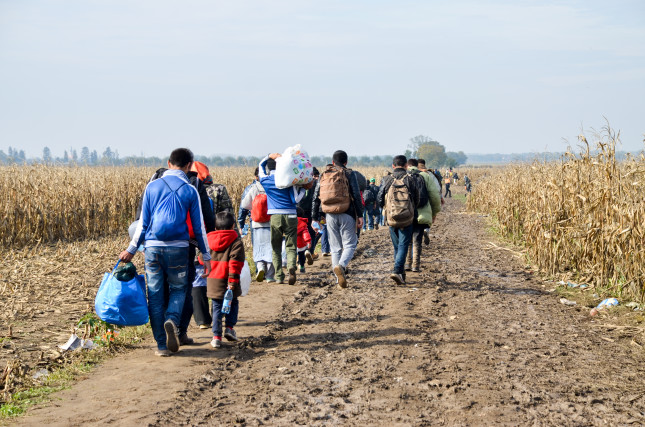
Recommendations for the Biden Administration on Climate Migration
›“There is little doubt that tens of millions of people will be displaced over the next two to three decades due in large measure by disaster and other environmental changes affected by climate, with the majority displaced within the borders of their own countries. The United States has a special responsibility to lead on issues of climate change, migration, and displacement,” said Eric Schwartz, President of Refugees International, at a recent event presenting a Blue-Ribbon Task Force report on climate change and migration.
 A Publication of the Stimson Center.