-
Gender Gaining Ground at Climate Change Negotiations
›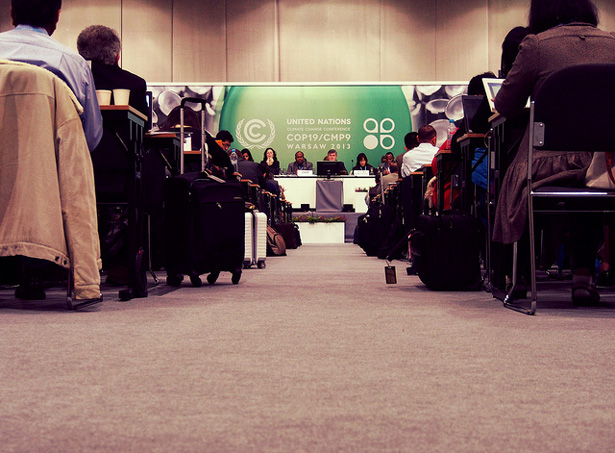
Last month, more than 10,000 negotiators from 189 countries attended the latest UN climate change conference, known as the 19th Conference of the Parties, or COP-19, this year held in Warsaw. To many, COP-19 fell frustratingly short of its already low expectations: there were no significant new agreements and 132 developing countries along with many major non-government groups staged a walkout in protest. However, it was notable for several signs of continued progress in bringing women’s voices to the negotiating table.
-
Laura Robson and Caroline Savitzky, Blue Ventures
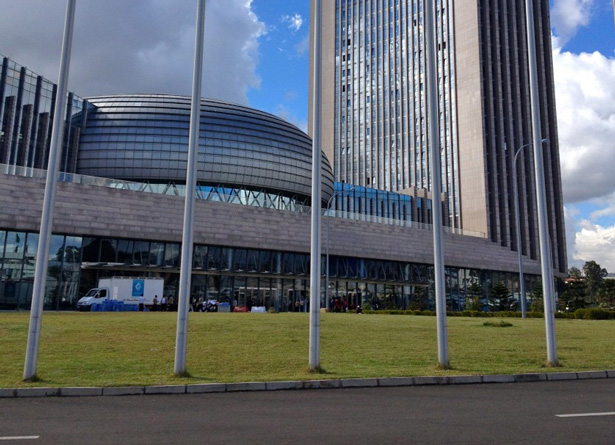
PHE Is Alive and Kicking: Inspiration and Endorsement From Addis Ababa
›December 4, 2013 // By Wilson Center Staff
The original version of this article, by Laura Robson and Caroline Savitzky, appeared on Blue Ventures’ Beyond Conservation blog.
The excitement was palpable as we gathered with almost 200 of the world’s finest population-health-environment (PHE) practitioners, researchers, and advocates in Addis Ababa for the International PHE Conference earlier last month! With all of us working on integrated projects encompassing family planning, community health, sustainable livelihoods, and environmental initiatives, there were many ideas and progress updates to be shared.
-
More Than Local: How PHE Can Help Solve Humanity’s Biggest Problems
›“Leave enough for everyone.” That’s what my mother used to tell us at dinner. However, the holiday season reminds me that human nature is far from innately moderate in consumption. With Black Friday as a kickoff, consumers will spend more than $600 billion by Christmas in the United States alone. As I witness droves of shoppers running through malls and stores, I wonder if their desire is driven by some insatiable appetite for their favorite products or something more fundamental about human nature.
-
Andrew Freedman, Climate Central
Typhoon Haiyan Foretells Challenges for U.S. Military in Warming World
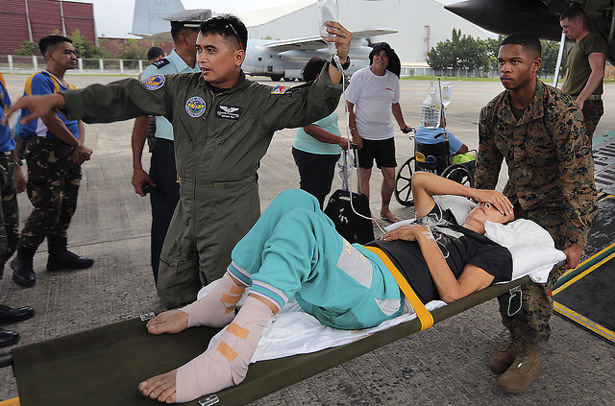
›November 14, 2013 // By Wilson Center StaffSuper Typhoon Haiyan left the central Philippines in ruins, with a staggering death toll that could climb well above 10,000. The U.S. military is leading the international response to the devastation, along with international aid agencies. The Pentagon has dispatched an aircraft carrier and five other Navy ships, plus a separate group of at least 90 marines and specially trained humanitarian relief teams to the area.
-
How to Tell the Biggest Stories of Our Times: Population-Environment Connections at SEJ 2013
›The original version of this article appeared on the Inter Press Service.
What does gorilla conservation have in common with the provision of contraceptives to women? How does rural-urban migration contribute to global warming? What does city planning in Kenya have to do with coastal erosion in the Philippines?
-
Religion and Reproductive Rights: Looking For Common Ground
›More than 84 percent of the 2010 world population – 5.8 billion people – consider themselves religiously affiliated, according to a recent study. Religious leaders can therefore have significant influence across a broad range of social, economic, and political issues. Perhaps nowhere is that influence felt more strongly than in debates about reproductive health and rights, and perhaps nowhere are the consequences so large than in poor and marginalized communities.
-
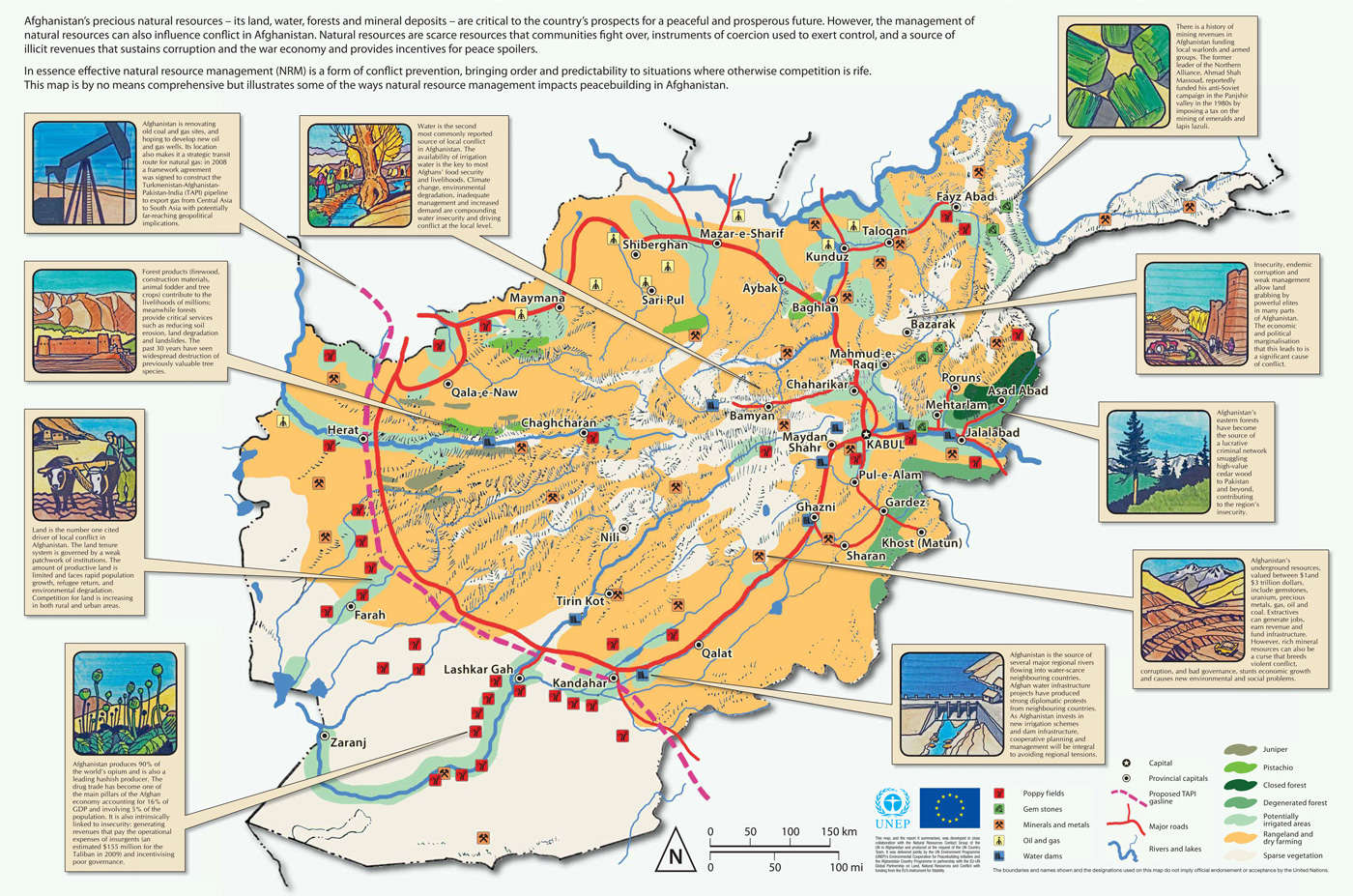
To Build Peace, Confront Afghanistan’s Natural Resource Paradox
›There’s a popular saying in Afghanistan reflecting the value of water: “Let Kabul be without gold, but not without snow.”
Living in a refugee camp across the border in Pakistan during the Soviet occupation, my father, who worked as a doctor in Samangan, Bamyan, Kunar, and Balkh provinces, used to tell me about the importance of our country’s natural wealth. He was optimistic that it was Afghanistan’s land, water, forests, and minerals that would help the country re-emerge as a strong nation. However, he also knew that the mismanagement of our natural resources is partly to blame for the instability, insecurity, and vulnerability that have gripped our country for so many years. This is the paradox of the natural resource wealth in Afghanistan.
-
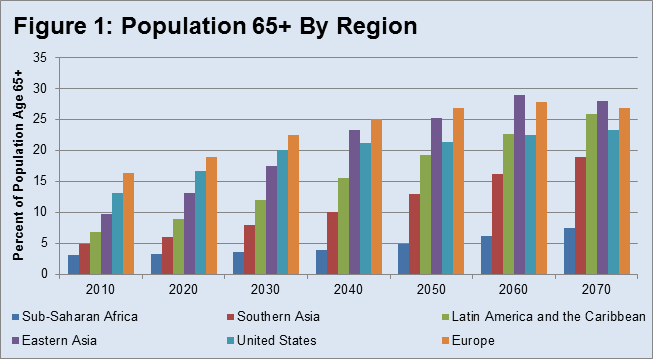
For Fast-Growing Countries, Should Aging Be a Concern? Planning for the Second Demographic Dividend
›September 10, 2013 // By Elizabeth Leahy MadsenPopulation aging and decline are frequently described as a threat to countries’ economic development and social stability. Evocative language, such as “demographic winter” and “graying of the great powers,” portrays the serious consequences that many observers envision as fertility and growth rates decline and the elderly comprise a greater percentage of the population. These concerns reach around the globe, including in Africa, which has the lowest percentage of elderly among the world’s major regions.
Showing posts from category U.S..