-
Scenario Planning for Development: It’s About Time
›
Scenario planning has a long history. The RAND Corporation employed it heavily in planning for potential U.S. responses to nuclear war and 16th century Spanish Jesuit theologians pointed to the idea as proof of free will. But in many respects this powerful set of methodological tools for managing complexity and uncertainty remains underused, especially beyond the defense, intelligence, and business communities.
-
Andrew Revkin, Dot Earth
As Pope Francis Meets America, a Climate Science Scholar Offers a Fresh View of the Encyclical
›September 23, 2015 // By Wilson Center StaffAs Pope Francis gets into high gear on his visit to the United States, it’s worth reviewing details and contexts in the extraordinary message to Catholics and the rest of the planet in “On Care for Our Common Home,” the encyclical he issued earlier this year.
-
Tracking the Energy Titans: Hidden Trends in the United States, China, and Canada [Infographic]
›
Back in high school physics we learned the first law of thermodynamics: Energy within a closed system must remain constant. In other words, the total amount of energy cannot increase or decrease without some sort of outside interference.
-
As Droughts, Floods, Die-Offs Proliferate, “Climate Trauma” a Growing Phenomenon
›September 9, 2015 // By Carley ChavaraAccording to recent polling, climate change is seen as the single most threatening international challenge around the world, and there’s evidence that all that worry is taking a psychological toll. Adding to droughts, floods, extreme weather, and die-offs, psychologists are observing higher levels of anxiety, depression, and post-traumatic stress disorder in certain areas and professions. Even people who do not actively stress about global warming or view it as a major threat may still suffer psychological trauma from its effects.
-
Angola’s Oil-Soaked Kleptocracy Is an Empire Built on Inequality
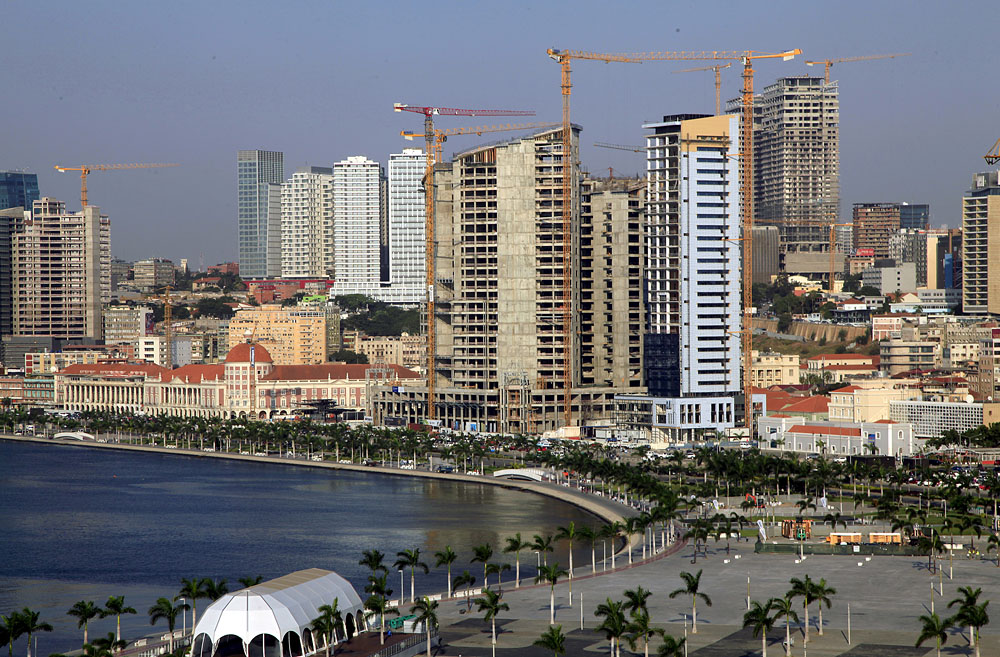
›August 26, 2015 // By Josh FengIsabel dos Santos, the daughter of Angolan President José Eduardo dos Santos and the richest woman in Africa, owes her wealth to the oil industry. Delfina Fernandes, a woman living in abject poverty in the village of Kibanga, uses gasoline as an anesthetic to dull the sheering pain of her rotting teeth.
-
Development in U.S. and Canadian Arctic Not Only About Oil and Gas, But Providing for People
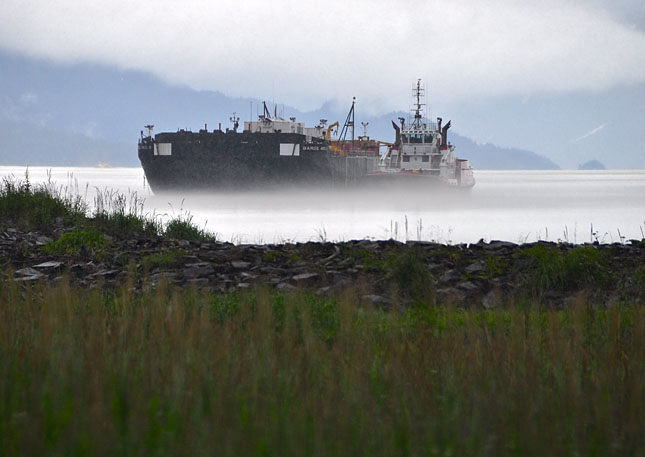
›Opportunities for research, enterprise, and exploration in the Arctic are expanding as climate change renders the northernmost reaches of the globe more accessible – and visible – than ever before. Often overlooked, however, are the people who actually live there. Four million people make their home in the resource-rich Arctic, where developers and policymakers are staking growing claims. [Video Below]
-
Crossing Borders and Defying Policing, Abuses of Thailand’s Fishing Industry Challenge International System
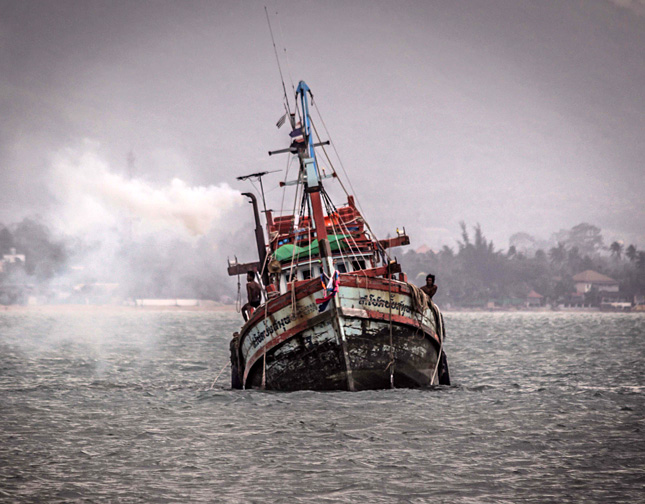
›August 18, 2015 // By Linnea BennettSomewhere off the coast of Thailand, “ghost ships” bump and crash along the choppy waves scrapping the sea floor with nets that spare nothing. Pulling up these illegal hauls in shifts that sometimes last 20 hours are thousands of migrant fishermen, many of whom have been forced into indentured servitude or kidnapped. Far from shore on unregistered boats, they have little hope of escape and face daily abuse and squalid conditions. More recently, some captains have turned to trafficking Rohingya fleeing persecution in Myanmar, pressing some into service, extorting others, and taking sex slaves.
-
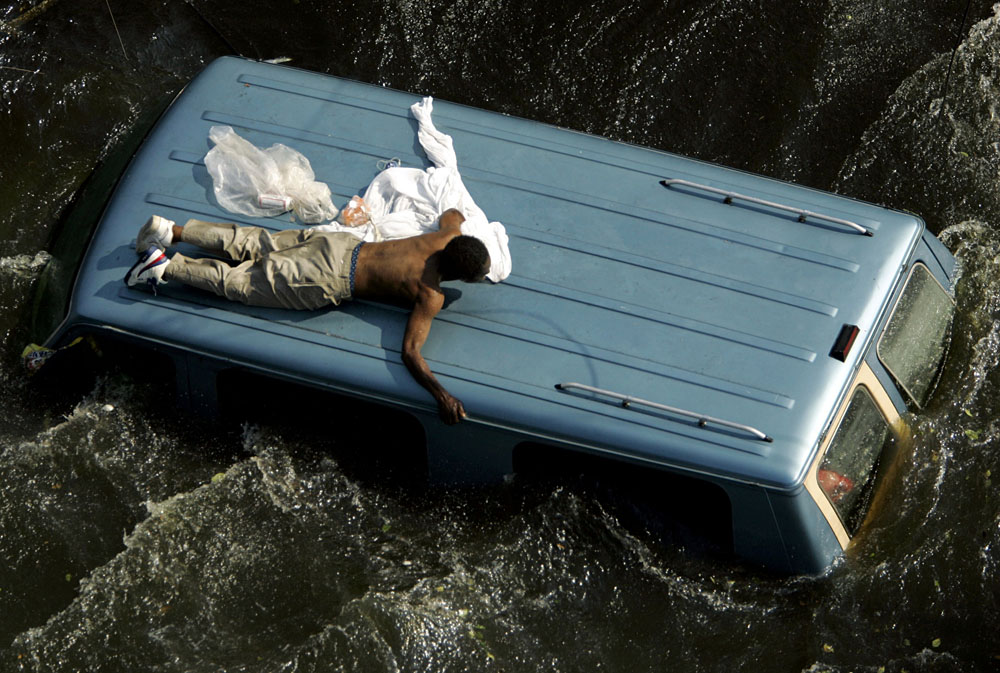
Lessons From Katrina: Can Media-Citizen Collaboration Help Cities Adapt to Climate Risks?
›Ten years ago this month one of the United States’ deadliest and most costly storms, Hurricane Katrina, struck the Gulf Coast. In Louisiana, the storied city of New Orleans was dealt a particularly devastating blow. Hundreds died and the city suffered extensive damage as 80 percent of its neighborhoods flooded, prompting an exodus it is still recovering from.
Showing posts from category U.S..