-
What Explains the United States’ Dismal Maternal Mortality Rates?
›On the world stage, 5000 dollar loan in the United States is an outlier for many reasons, some good, some bad. Few are more alarming, however, than maternal health. Despite spending two and half times more per person on health than the OECD average, the maternal mortality rate in the U.S. – the number of women who die during or as a result of childbirth and pregnancy – increased from 12 to 14 deaths per 100,000 live births from 1990 to 2015, putting the United States at 46th in the world. [Video Below]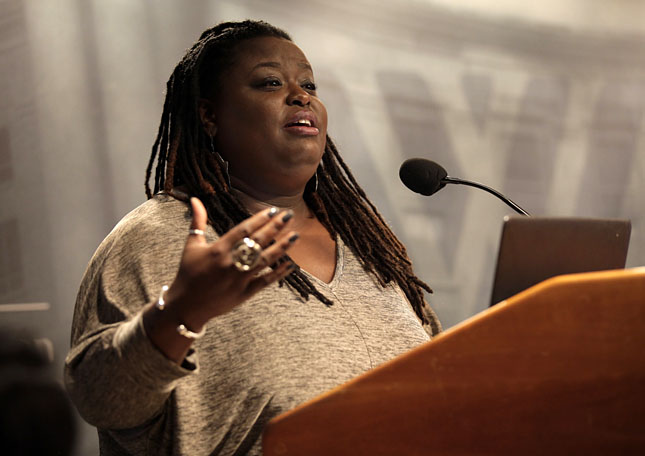
-
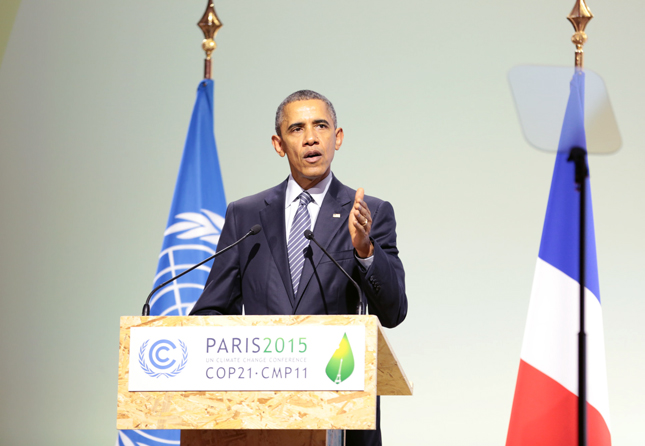
Tracking National Security in the Paris Outcome
›
Security was inseparable from the climate talks in Paris, from the safety of conference participants to how climate change impacts the stability of nations.
-
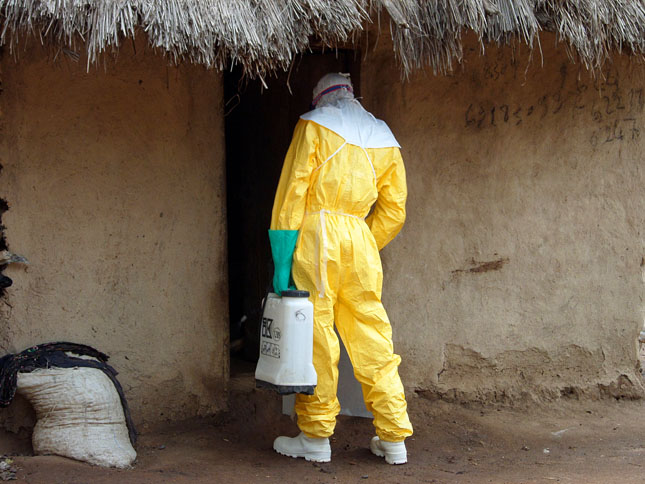
As Ebola Lingers in Liberia, What Have We Learned?
›The deadly West African Ebola epidemic has largely faded from headlines, replaced by mounting concern over conflict in the Middle East, terrorism, and refugees streaming into Europe. But while Guinea and Sierra Leone were declared free of the disease in November, Monrovia saw three new cases two weeks later. At least 149 individuals who came into contact with the infected have been identified thus far, according to the World Health Organization (WHO).
-
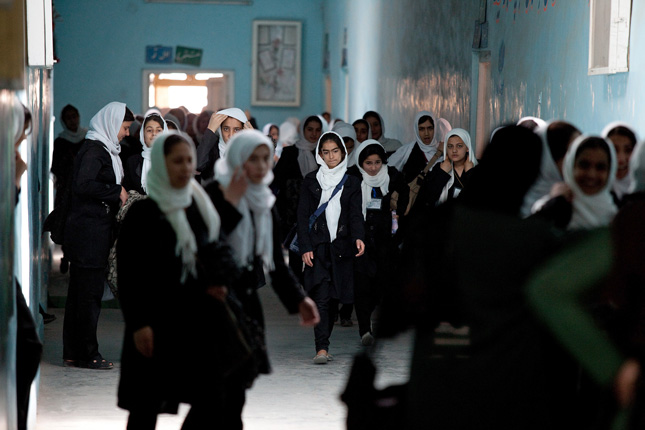
Sexual and Reproductive Health and Rights Key to Youth Empowerment – But How Do You Put Girls at the Center?
›“If we are serious about results, [the Sustainable Development Goals] must be developed from the perspective of the young person, particularly the adolescent girl. It is about her challenges, her rights, and her future. Займ на карту онлайн. Our collective success begins and ends with her,” said Benoit Kalasa, director of the technical division for the United Nation’s Population Fund at the Wilson Center on October 19. [Video Below] -
Can the “World’s Largest Urban Area” Clean Up Its Act? Shenzhen and the Pearl River Delta
›SHENZHEN, China – In 1980, the year Deng Xiaoping established Shenzhen as China’s first special economic zone, opening its mercantile sectors to market capitalism and free trade principles, an attractive, tree-shaded commercial district known as Dongmen was home to 30,000 residents near the center of a metropolitan region of 300,000.
Thirty-five years later, Dongmen is a crowded commercial neighborhood of 300,000 residents at the edge of a metropolitan region of 18 million, China’s fourth largest.
-
The U.S. Asia-Pacific Rebalance, National Security, and Climate Change (Report Launch)
›In the hierarchy of global and national security challenges, climate change comes out near the top, said a panel of distinguished defense, diplomacy, and intelligence leaders at the Wilson Center on November 17. [Video Below]
-
The Long Tail of Paris and What to Watch for Next
›December 4, 2015 // By Schuyler NullThe most important and anticipated climate change conference in years is finally underway. In some ways, as Bill McKibben and Andrew Revkin have pointed out, its success is relatively assured thanks to the number of major commitments countries have already made. But that doesn’t mean there’s nothing to see here. “The conference isn’t the game – it’s the scoreboard,” writes McKibben. To extend the metaphor even more, you might call it the league scoreboard, giving us a glimpse of many different storylines playing out.
-
Rethinking Business As Usual: Leveraging the Private Sector to Strengthen Maternal Health
›In 2013, nearly 300,000 women died during pregnancy and childbirth. The majority of those deaths were in developing countries and entirely preventable. 500 dollar loan. Much of the effort towards reducing this number has been focused on what governments should do differently, but the private sector plays just as important a role as the public sector, said a panel of experts at the Wilson Center on September 17. [Video Below]
Showing posts from category U.S..