• woodrow wilson center
  • ecsp

New Security Beat

Subscribe:
  • rss
  • mail-to
  • Who We Are
  • Topics
    • Population
    • Environment
    • Security
    • Health
    • Development
  • Columns
    • China Environment Forum
    • Choke Point
    • Dot-Mom
    • Friday Podcasts
    • Navigating the Poles
    • Reading Radar
  • Multimedia
    • Water Stories (Podcast Series)
    • Backdraft (Podcast Series)
    • Tracking the Energy Titans (Interactive)
  • Films
    • Water, Conflict, and Peacebuilding (Animated Short)
    • Paving the Way (Ethiopia)
    • Broken Landscape (India)
    • Scaling the Mountain (Nepal)
    • Healthy People, Healthy Environment (Tanzania)
  • Publications
  • Events
  • Contact Us

NewSecurityBeat

The blog of the Wilson Center's Environmental Change and Security Program
Showing posts from category U.S..
  • Tracking the Energy Titans: Hidden Trends in the United States, China, and Canada [Infographic]

    ›
    Choke Point  //  From the Wilson Center  //  September 14, 2015  //  By David Rejeski
    energy-titans-thumb

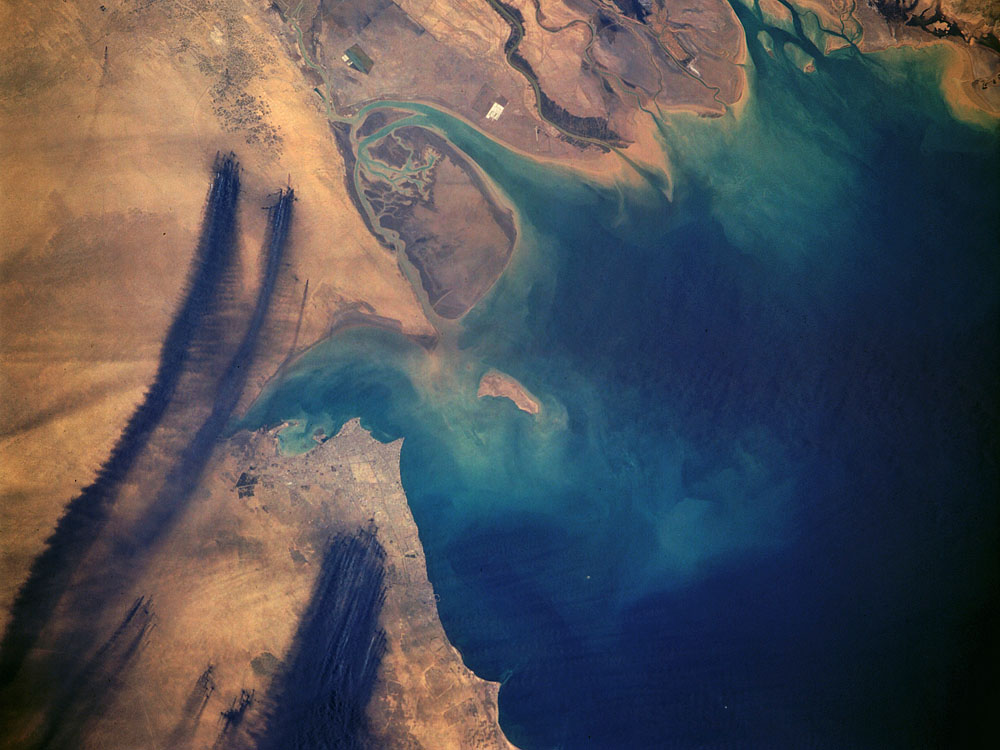
    Back in high school physics we learned the first law of thermodynamics: Energy within a closed system must remain constant. In other words, the total amount of energy cannot increase or decrease without some sort of outside interference.

    MORE
  • As Droughts, Floods, Die-Offs Proliferate, “Climate Trauma” a Growing Phenomenon

    ›
    September 9, 2015  //  By Carley Chavara
    Jowhar flood in Somalia

    According to recent polling, climate change is seen as the single most threatening international challenge around the world, and there’s evidence that all that worry is taking a psychological toll. Adding to droughts, floods, extreme weather, and die-offs, psychologists are observing higher levels of anxiety, depression, and post-traumatic stress disorder in certain areas and professions. Even people who do not actively stress about global warming or view it as a major threat may still suffer psychological trauma from its effects.

    MORE
  • Angola’s Oil-Soaked Kleptocracy Is an Empire Built on Inequality

    ›
    August 26, 2015  //  By Josh Feng
    A general view Luanda, Angola's capital

    Isabel dos Santos, the daughter of Angolan President José Eduardo dos Santos and the richest woman in Africa, owes her wealth to the oil industry. Delfina Fernandes, a woman living in abject poverty in the village of Kibanga, uses gasoline as an anesthetic to dull the sheering pain of her rotting teeth.

    MORE
  • Development in U.S. and Canadian Arctic Not Only About Oil and Gas, But Providing for People

    ›
    From the Wilson Center  //  August 20, 2015  //  By Spencer Wuest
    DSC_0088

    Opportunities for research, enterprise, and exploration in the Arctic are expanding as climate change renders the northernmost reaches of the globe more accessible – and visible – than ever before. Often overlooked, however, are the people who actually live there. Four million people make their home in the resource-rich Arctic, where developers and policymakers are staking growing claims. [Video Below]

    MORE
  • Crossing Borders and Defying Policing, Abuses of Thailand’s Fishing Industry Challenge International System

    ›
    August 18, 2015  //  By Linnea Bennett
    Thai-fishing

    Somewhere off the coast of Thailand, “ghost ships” bump and crash along the choppy waves scrapping the sea floor with nets that spare nothing. Pulling up these illegal hauls in shifts that sometimes last 20 hours are thousands of migrant fishermen, many of whom have been forced into indentured servitude or kidnapped. Far from shore on unregistered boats, they have little hope of escape and face daily abuse and squalid conditions. More recently, some captains have turned to trafficking Rohingya fleeing persecution in Myanmar, pressing some into service, extorting others, and taking sex slaves.

    MORE
  • Lessons From Katrina: Can Media-Citizen Collaboration Help Cities Adapt to Climate Risks?

    ›
    From the Wilson Center  //  On the Beat  //  August 17, 2015  //  By A. Adam Glenn
    File photo of a man clinging to the top of a vehicle in the aftermath of Hurricane Katrina in New Orleans

    Ten years ago this month one of the United States’ deadliest and most costly storms, Hurricane Katrina, struck the Gulf Coast. In Louisiana, the storied city of New Orleans was dealt a particularly devastating blow. Hundreds died and the city suffered extensive damage as 80 percent of its neighborhoods flooded, prompting an exodus it is still recovering from.

    MORE
  • Heather McGray & Kathleen Mogelgaard, World Resources Institute

    Not Just Mitigation: National Climate Plans Raise Adaptation’s Profile

    ›
    August 13, 2015  //  By Wilson Center Staff
    Amhara-Ethiopia

    The original version of this article, by Heather McGray and Kathleen Mogelgaard, appeared at the World Resources Institute.

    As the world prepares for a pivotal climate conference in Paris this December, countries are offering their national plans to tackle a changing climate. These plans, known as intended nationally determined contributions (INDCs), contain details of what each country is prepared to do as part of a new global climate agreement. While the public focus is often on mitigation – how much countries are willing to reduce emissions, by when, and with what degree of transparency – adaptation to the impacts of climate change demands the same level of attention. In fact, the last round of international climate talks in Lima invited parties to include adaptation in their INDCs.

    MORE
  • Without Water, No Sustainable Development: World Water Week 2015

    ›
    Guest Contributor  //  August 12, 2015  //  By Anders Jägerskog
    Little Girls Carry Water Containers

    The World Economic Forum recently named water crisis the world’s number one risk for the next 10 years for its potential impact on people and industry. Indeed, as the global community grapples with climate change – and environmental change of all kinds – understanding the fundamental nature if water to human society is crucial. The input report for this year’s World Water Week, released yesterday by the Stockholm International Water Institute, in fact argues that getting water management right is a prerequisite for sustainable development.

    MORE
Newer Posts   Older Posts
View full site

Join the Conversation

  • RSS
  • subscribe
  • facebook
  • G+
  • twitter
  • iTunes
  • podomatic
  • youtube
Tweets by NewSecurityBeat

Trending Stories

  • unfccclogo1
  • Pop at COP: Population and Family Planning at the UN Climate Negotiations

Featured Media

Backdraft Podcast

play Backdraft
Podcasts

More »

What You're Saying

  • Volunteers,At,The,Lagos,Food,Bank,Initiative,Outreach,To,Ikotun, Pan-African Response to COVID-19: New Forms of Environmental Peacebuilding Emerge
    Rashida Salifu: Great piece 👍🏾 Africa as a continent has suffered this unfortunate pandemic.But it has also...
  • A desert road near Kuqa An Unholy Trinity: Xinjiang’s Unhealthy Relationship With Coal, Water, and the Quest for Development
    Ismail: It is more historically accurate to refer to Xinjiang as East Turkistan.
  • shutterstock_1779654803 Leverage COVID-19 Data Collection Networks for Environmental Peacebuilding
    Carsten Pran: Thanks for reading! It will be interesting to see how society adapts to droves of new information in...

What We’re Reading

  • Rising rates of food instability in Latin America threaten women and Venezuelan migrants
  • Treetop sensors help Indonesia eavesdrop on forests to cut logging
  • 'Seat at the table': Women's land rights seen as key to climate fight
  • A Surprise in Africa: Air Pollution Falls as Economies Rise
  • Himalayan glacier disaster highlights climate change risks
More »
  • woodrow
  • ecsp
  • RSS Feed
  • YouTube
  • Twitter
  • Facebook
  • Home
  • Who We Are
  • Publications
  • Events
  • Wilson Center
  • Contact Us
  • Print Friendly Page

© Copyright 2007-2021. Environmental Change and Security Program.

Woodrow Wilson International Center for Scholars. All rights reserved.

Developed by Vico Rock Media

Environmental Change and Security Program

Woodrow Wilson International Center for Scholars

Ronald Reagan Building and International Trade Center

  • One Woodrow Wilson Plaza
  • 1300 Pennsylvania Ave., NW
  • Washington, DC 20004-3027

T 202-691-4000