-
Seeing Around the Corner: Contemporary Challenges for Foresight and Futures Analysis
›
Most citizens of democratic nations expect their governments to do their very best to make society more egalitarian, productive, adaptive, and resilient. To do so requires governments to track not just today’s headlines but grapple with long-term underlying trends, like globalization and demographic change. Governments must also make assumptions about the future course of these trends and examine how they might collide or build on one another.
-
Wild Laws: China and Its Role in Wildlife Trafficking
›China Environment Forum // From the Wilson Center // September 12, 2016 // By Evie Kirschke-Schwartz
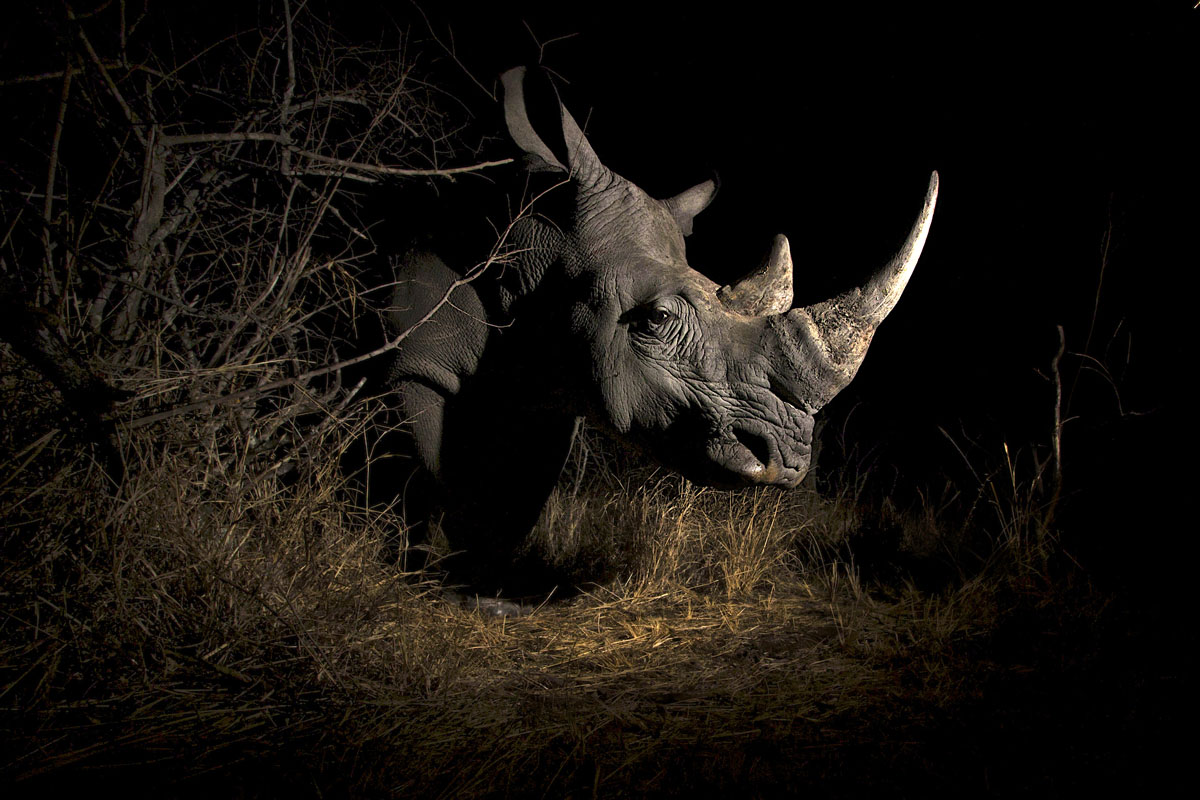
Picture your typical farm: Pigs, cows, chickens, goats…and tigers? This may sound far-fetched, but many iconic wild animals – including tigers, bears, and rhinos – are now farmed en masse in China.
-
A New Kind of Conservation: Making the Connection Between Community and Nature
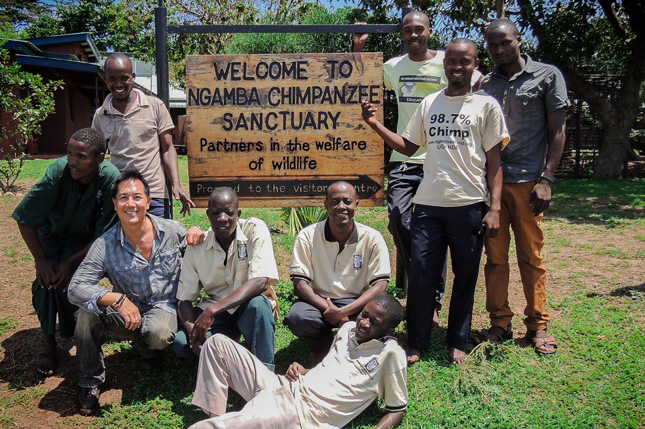
›An increasing number of conservation and health activists are beginning to understand the value of an integrated approach to development. Without addressing the needs of people, conservation measures will not be very effective, and conversely, without conservation, people lose vital natural resources and suffer consequences to their health.
-
Putting a Price on Reproduction: The Global Surrogacy Market
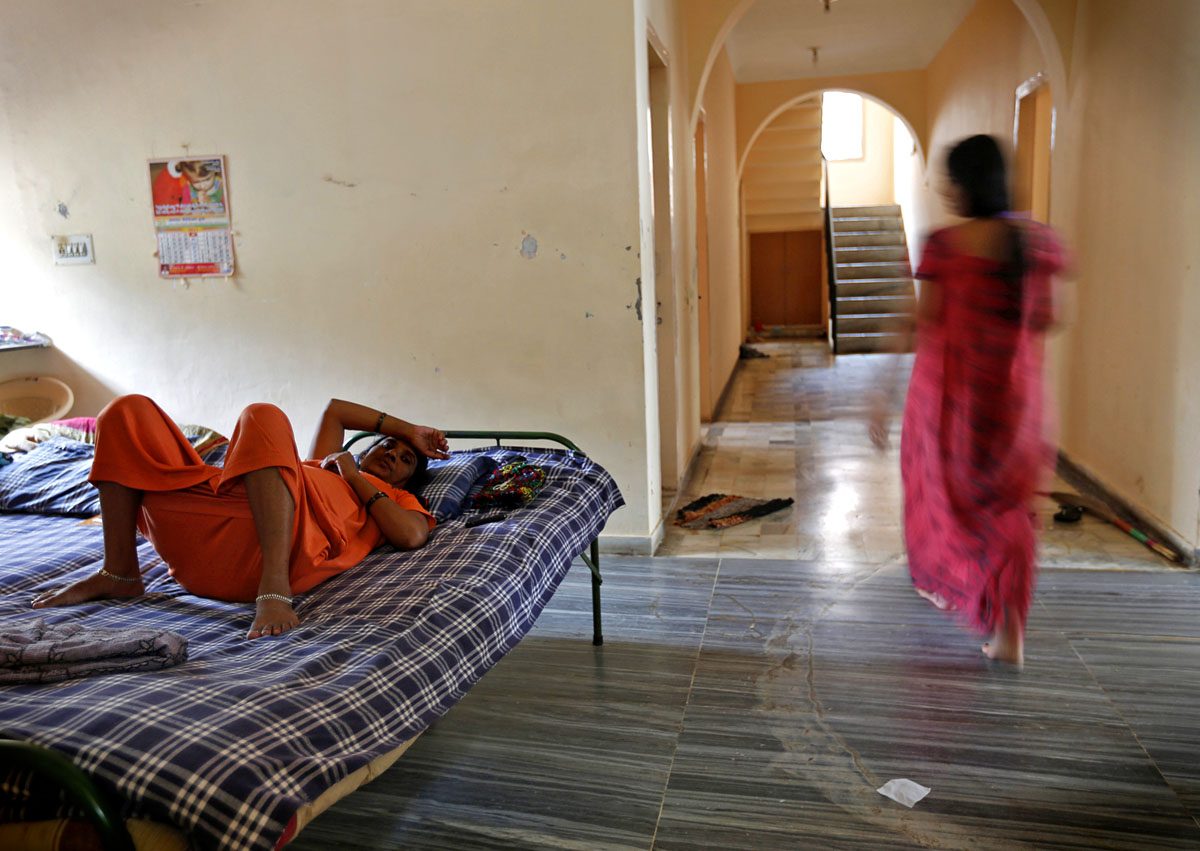
›The first baby conceived through in vitro fertilization (IVF) was born in 1978 and revolutionized alternative family building strategies. As IVF has become more widely available in the years since, the focus of many families who cannot conceive or carry a baby to term – the Centers for Disease Control and Prevention estimates there are 6.7 million such women in the United States alone – has shifted from adoption to surrogacy. However, this endeavor remains very expensive; prohibitively so for many. Commercial surrogacy can cost up to $70,000 in the United States, except in the seven states where it is illegal. Yet if couples are willing to outsource to another country, surrogacy can cost much less.
-
“Loss and Damage” and “Liability and Compensation” – What’s the Difference and Why Does It Matter?
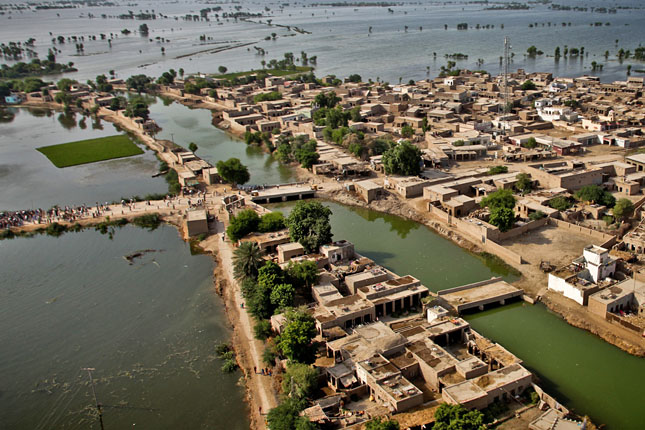
›September 2, 2016 // By Cara ThuringerWhen wildfires become unstoppable, consuming forests, farmlands, communities, and anything else in their path, how will those affected cope? When typhoons slam coastal populations, dumping over a foot of rain in a single event, who will be there to help mop up? When seas rise up, drowning centuries-old communities, where will the displaced go?
-
“Time for Action”: A 2016 IUCN World Conservation Congress Preview With Inger Andersen
›“The time for talk is done; it is now the time for action,” says Inger Andersen, director general of the International Union for Conservation of Nature (IUCN), in an interview before the 2016 World Conservation Congress.
-
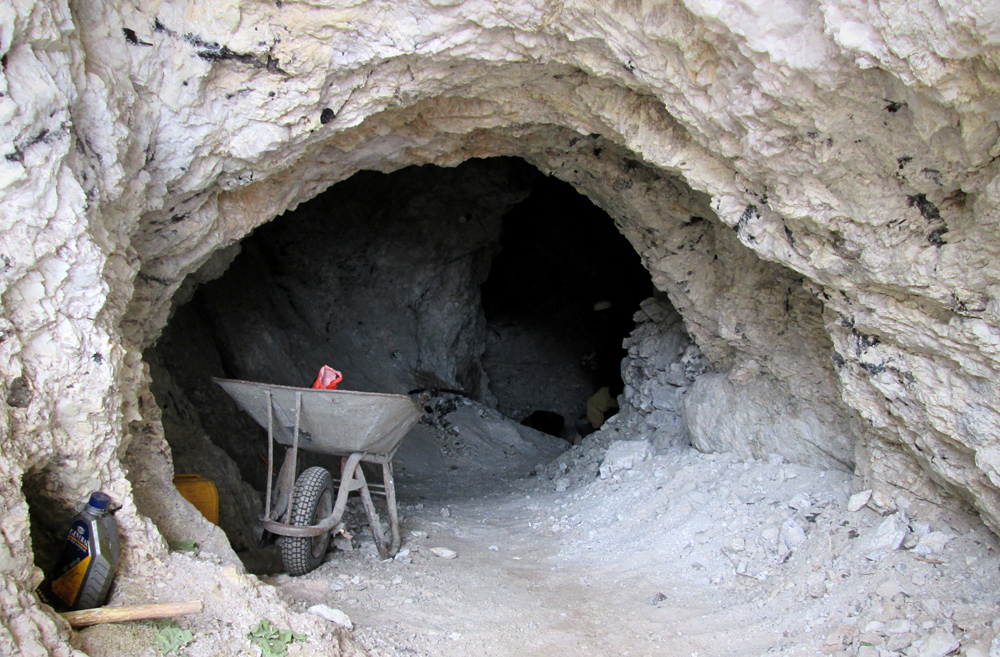
How Lapis Lazuli Turned One Afghan Mining District to the Taliban
›August 25, 2016 // By Adrienne BoberIn the mountains of northern Afghanistan, between Pakistan and China, a region that has historically rejected the Taliban has become the group’s second-largest source of revenue. The twisting tale of Kuran wa Munjan reveals the challenges of extracting precious minerals in unstable and fragile states.
-
Left Out and Behind: Fully Incorporating Gender Into the Climate Discourse
›August 22, 2016 // By Cara ThuringerMore often than not in the discourse around gender and climate change, the word “gender” is used primarily to refer to women. There is no disputing that women are acutely vulnerable to the effects of climate change in ways that are different than men and sometimes hidden. However, this interchangeable use of words neglects other dimensions of gender, sexual orientation, and sexual identity. As a result, we are missing important ways gender impacts people’s experiences with climate change.
Showing posts from category U.S..