-
With Network of River Watchers, Green Hunan Opens Second Front in China’s War on Pollution
›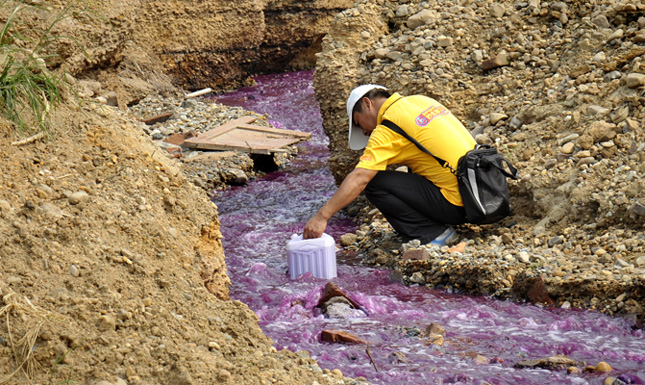
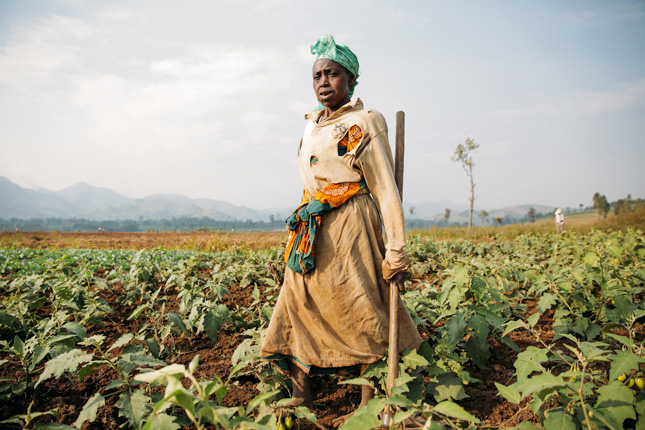
“Made in China” products surround us, yet few consumers have anything more than a foggy idea of where in China their phones, computers, and other goods come from. Hunan Province in South Central China is not only the home of spicy food, but the world’s largest mines for non-ferrous metals used in many electronic devices. Nearly all the glass panels for Apple and Samsung smartphones are manufactured in Hunan as well. While this multibillion-dollar phone industry has been a boon for Hunan’s economy, it has also produced seriously polluted rivers and soil.
-
USAID Climate Action Review: 2010-2016 (Report Launch)
›
“Climate work is practical, common-sense, good development,” said Carrie Thompson, deputy assistant administrator at the Bureau for Economic Growth, Education, and Environment at the U.S. Agency for International Development (USAID). “It’s prevention, and we all know that preventative medicine is the best medicine.”
-
Rising Seas Threaten Military Installations, and Elevating Human Rights to Mitigate Geoengineering Risks
›A roughly three-foot increase in sea level will threaten 128 coastal military installations in the United States, valued at $100 billion, according to a study from the Union of Concerned Scientists. The report, The U.S. Military on the Front Lines of Rising Seas, argues that the growing exposure to storm surge and sea-level rise puts vital infrastructure, training and testing grounds, and housing for thousands of personnel at risk. -
Planetary Security Conference Convenes Amidst “Unsettling New Normal”
›December 14, 2016 // By Schuyler NullEnvironmental security? Climate security? How about planetary security. Last week at the venerable Peace Palace in The Hague, nearly 300 experts from around the world met for the somewhat dramatically named Planetary Security Conference, a new initiative aimed at bringing together people working on all things related to the environment, climate change, and their security implications.
-
Planet at the Crossroads: Insights From IUCN’s World Conservation Congress
›At this year’s International Union for Conservation of Nature (IUCN) World Conservation Congress, more than 10,000 scientists, activists, and leaders from around the world committed to finding “nature-based solutions” to reversing environmental declines and securing a healthy, livable planet.
-
Green Leadership From a Divided South? China and India’s Divergence Shape Outlook for International Negotiations
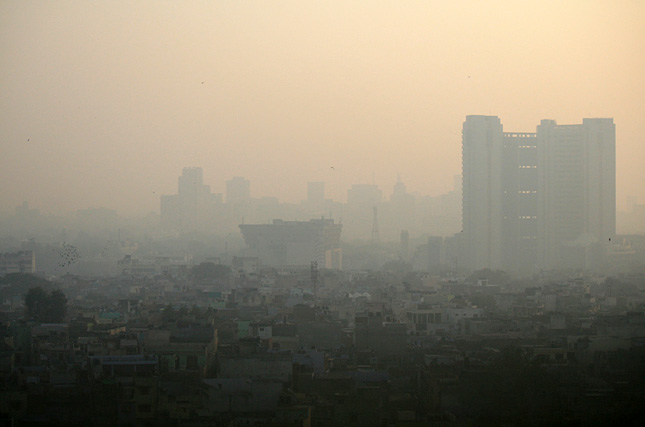
›Last month, headlines around the world heralded a breakthrough for international environmental cooperation. During ongoing ozone treaty negotiations in Rwanda, China broke with the developing world, agreeing with the United States to aggressively phase out hydrofluorocarbons, a significant global warming pollutant found in refrigerators and air conditioners. These changes are expected to make a big difference in combating climate change, mitigating half a Celsius degree of warming.
-
Building a Climate-Resilient Caribbean: Grenada Hosts National Adaptation Planning Workshop
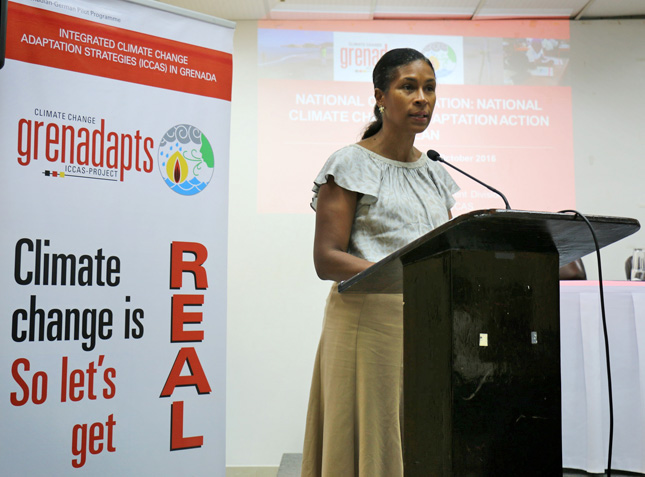
›For island nations already dealing with more frequent and intense extreme weather events, climate change is an imposing burden. But many island states are responding and becoming “incubators of resilience,” as Lynae Bresser recently wrote.
-
Climate Change Is the Biggest Challenge: Wilson Experts on Top Issues Facing President-Elect Trump
›From Putin to Cuba, there are a bevy of international issues competing for attention as the next administration beings to take shape. In a series of contextual one minute video briefings, the Wilson Center’s community of experts weighs in what the world expects of President-elect Trump and the United States moving forward.
Showing posts from category U.S..