-
Wartime Public Health Crises Cause More Deaths Than Weapons, So Why Don’t We Pay More Attention?
›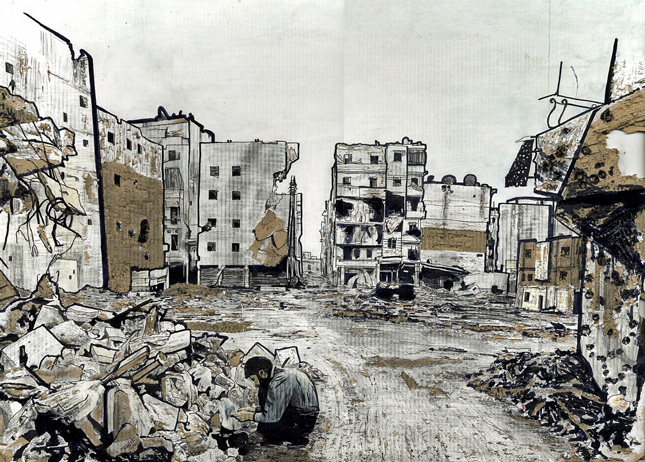
In 2004 I was honored to be interviewed for The Lancet medical journal’s “Lifeline” series. I had just come away from a disastrous short tenure as the interim minister of health in Iraq following the 2003 war. I had support from former Secretary of State Colin Powell to rapidly mitigate and recover the war-related destruction of essential public health infrastructure and protections required as occupiers under Articles 55 and 56 of the Geneva Conventions that follow every war.
-
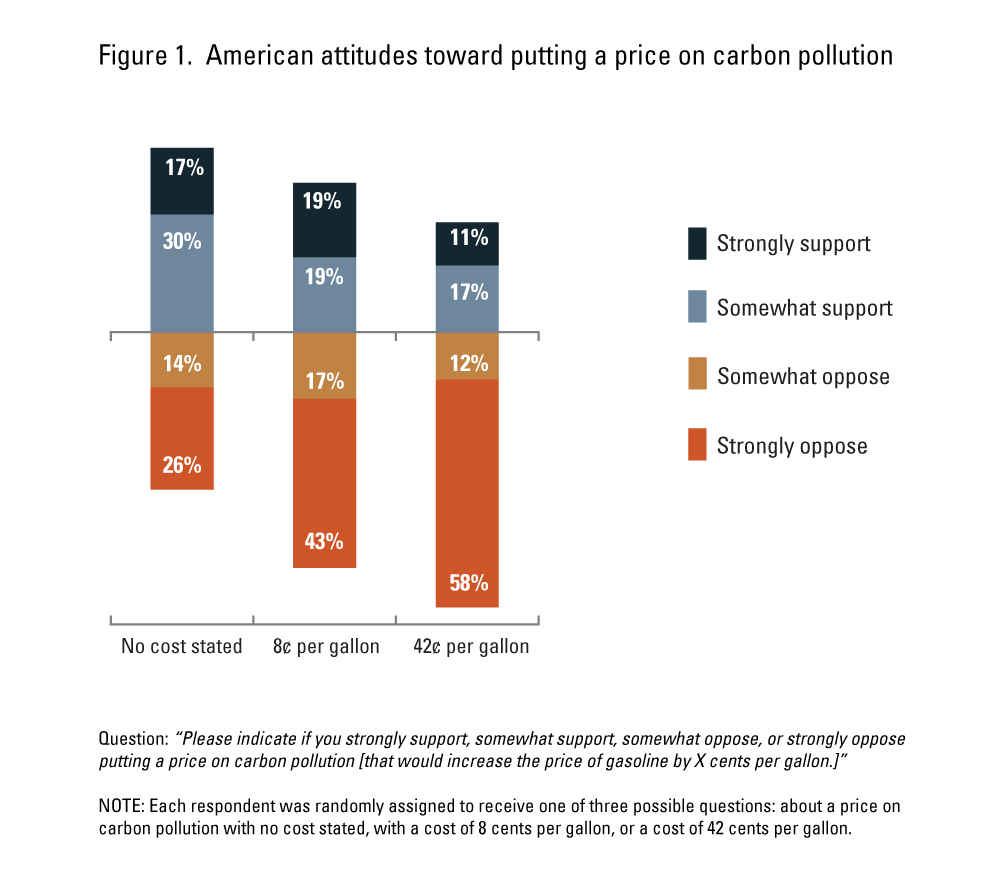
Americans Prefer Renewable Energy Requirements Over a Carbon Tax
›
There are many questions about where President Trump and the new administration stands on energy and climate policy, but new survey data gives a better picture of what the American public thinks.
-
Building a Locus of Control: Protecting Yourself From “Climate Trauma”
›January 23, 2017 // By Lynae BresserWith countries declaring drought emergencies and islands facing inundation, it can be difficult to turn away from the big picture when it comes to climate change. If we are to build a climate-resilient society, though, we must look to resilience at its origins, says one group of experts: the individual.
-
Retooling U.S. Foreign Policy to Confront 21st-Century Threats
›At a time when the relative influence of the United States is decreasing, and the relative influence of states is decreasing, we need a retooling of the architecture of U.S. foreign policy. Just as “personnel is policy,” it is also true that “organization is policy.”
-
Backdraft Revisited: The Conflict Potential of Climate Change Adaptation and Mitigation
›Whether or not we respond to climate change – and the security implications of that decision – is a major public policy question. But increasingly experts are paying closer attention to how we respond.
-
Paradox of Progress: National Intelligence Council Releases Global Trends Report
›January 11, 2017 // By Schuyler NullDo you experience information overload? Feel like there’s always another crisis to worry about? Sense a kind of chaos? Well, you may be a citizen of the early 21st century.
-
2017 Is Pivotal for U.S. Leadership on Global Water Security
›2017 promises to be a key year for U.S. government leadership on a variety of issues. Not least among them is global water security. Never have the challenges of global water security been so severe, and never have the opportunities for American leadership in the sector been greater.
-
Rachel Cernansky, Ensia
How “Open Source” Seed Producers From the U.S. to India Are Changing Global Food Production
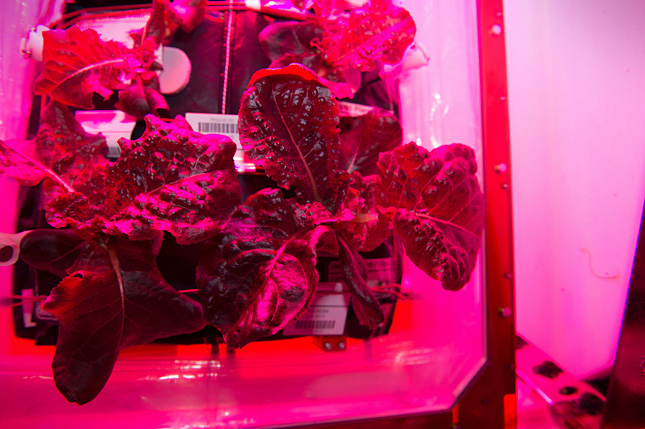
›December 29, 2016 // By Wilson Center StaffFrank Morton has been breeding lettuce since the 1980s. His company offers 114 varieties, among them Outredgeous, which last year became the first plant that NASA astronauts grew and ate in space. For nearly 20 years, Morton’s work was limited only by his imagination and by how many different kinds of lettuce he could get his hands on. But in the early 2000s, he started noticing more and more lettuces were patented, meaning he would not be able to use them for breeding.
Showing posts from category U.S..