-
Water Stress, Instability and Violent Extremism in Nigeria
›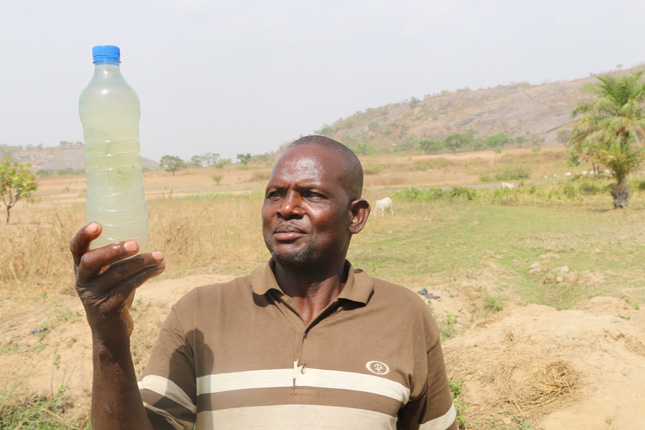
Nigeria is ranked among the most fragile states in the world. The country faces significant water challenges, which vary greatly from one region to another. Weak governance exacerbates these water challenges, while conflicts over water resources make governance more difficult. There are three main geographical flashpoints where conflict over water is likely to break out. In the north and northeast, Boko Haram has waged a violent insurgent campaign since 2010; among their demands is government provision of clean water. In Nigeria’s Middle Belt, changing rainfall patterns are limiting the grazing area of Muslim Fulani herders, who then encroach on the land of predominantly Christian farmers. Conflict over these lands killed more Nigerians than Boko Haram in 2016. Finally, in the Niger Delta, militant groups are attacking oil infrastructure, partially motivated by conflict over rights to land and waterways. Oil spills also contribute to food insecurity and malnutrition in this region.
-
The Perils of Denial: Challenges for a Water-Secure Pakistan
›
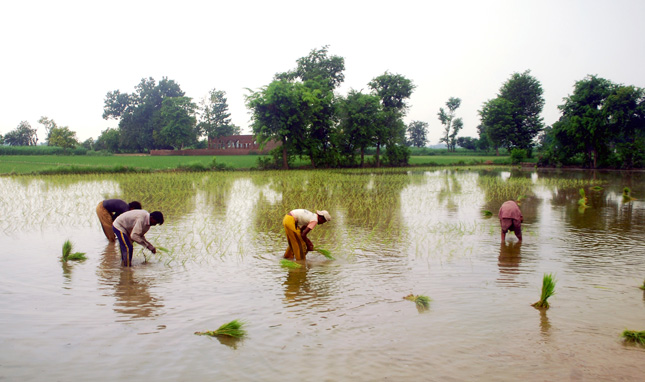
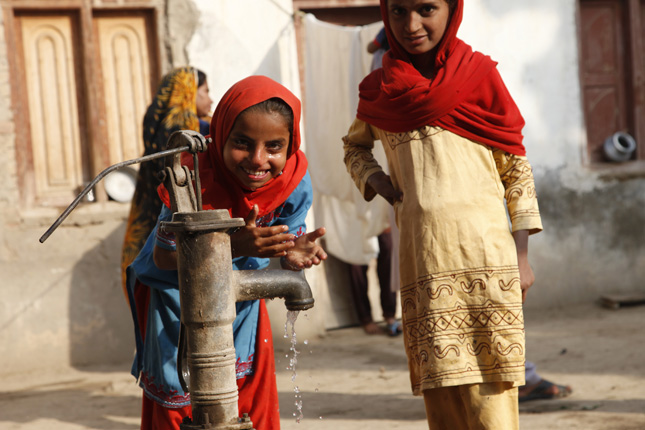
Pakistan is South Asia’s fifth most vulnerable country in terms of water availability, and Karachi is the sixth most water-stressed city in the world. Predictions indicate that the country will face absolute water scarcity (insufficient water supply to meet demand) as soon as 2025. While population and demand for water steadily increase, freshwater quantity and quality are decreasing.
-
MCC Mobilizes Private-Sector Investment to Expand Access to Water in Jordan
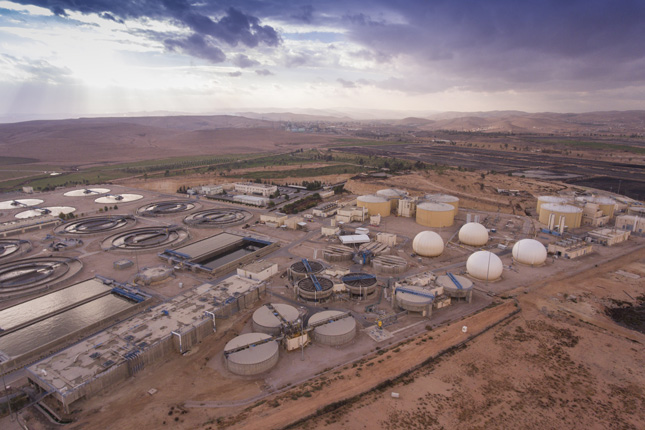
›In Jordan—one of the driest, most water poor countries in the world—population growth is straining the country’s aging infrastructure and limited water resources. As the Jordan country director for the Millennium Challenge Corporation (MCC), I’ve met urban residents and business owners who have only received water from the city utility once every two weeks, relying on storage tanks to fill the gaps. I’ve spoken with water utility managers who could no longer keep up with urgent repairs, leading to bursting water pipes and sewage overflowing into streets. And farmers in the Jordan Valley have told me that each year their wells have grown drier, and they feared the next generation would be forced to give up farming olives, tomatoes, grapes, and strawberries.
-
Feeding the Future? One Year After the Global Food Security Act
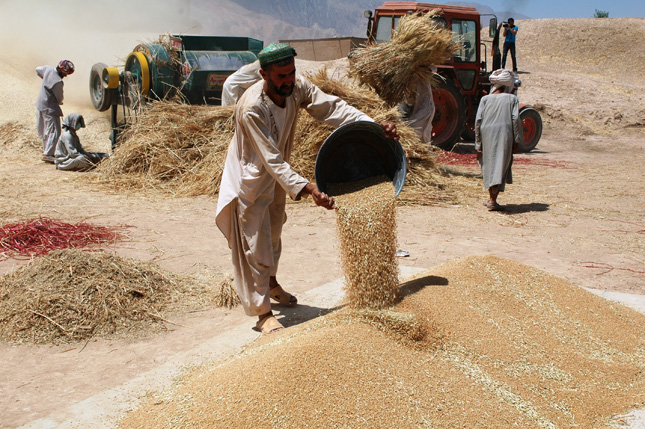
›“The United States should maintain a unique leadership role in global food security,” said former Senator Richard Lugar at a recent Center for International & Strategic Studies event, “The U.S. Global Food Security Strategy: Progress, Setbacks, and Forward Momentum,” which marked the one-year anniversary of the passage of the Global Food Security Act. Signed into law on July 20, 2016, the act required the interagency Feed the Future initiative to develop the first-ever U.S. Global Food Security Strategy.
-
Water-Energy Nexus in the Himalayas
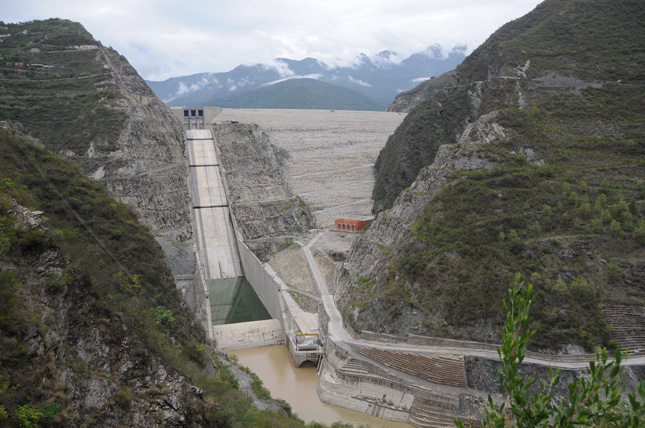
›The region at the base of the Himalayas faces difficult tradeoffs when allocating freshwater resources for energy production versus agricultural, industrial, and domestic uses. This is one of the most ecologically unstable areas on Earth, and weather patterns are becoming increasingly irregular. On one end of the spectrum, water shortages frequently disrupt energy production, which depends largely on water-intensive coal and hydropower plants. The opposite extreme is also a factor: Dozens of hydropower plants in the Himalayas have been damaged or destroyed by severe floods caused by unusually heavy rainfall in recent years. Construction of new power plants faces increasing resistance from local communities, resulting in social disruptions and instability. In order to ensure both energy security and water security for their countries, governments must look beyond hydropower and coal.
-
Global Climate Cooperation, Post-Paris: Can Subnational Agreements Pick Up the Slack?
›At the G20 Summit in Hamburg early July 2017, leaders of the world’s strongest economies issued a joint statement reaffirming their commitment to the Paris Climate Accord. President Trump—the lone outsider—had announced in early June he would withdraw the United States from the agreement. As China doubles down on meeting its Paris targets, the chasm between the world’s two largest emitters and energy consumers continues to widen as previous joint efforts to curb carbon emissions fade away. Post-summit headlines focusing on the “G19” nations suggest America has abandoned international cooperation against climate change. But some U.S. cities and states are continuing the climate fight with their Chinese counterparts.
-
Security Links: An Emerging Congressional Common Ground on Climate Change?
›July 26, 2017 // By Lauren Herzer RisiEarlier this month 46 House Republicans voted with Democrats to protect an amendment in the current National Defense Authorization Act that acknowledges that “climate change is a direct threat to the national security of the United States” and requires the secretary of defense to provide “a report on the vulnerability to military installations and combatant command requirements resulting from climate change over the next 20 years.”
-
To Fight Global Water Stress, U.S. Foreign Policy Will Need New Strategic Tools
›Capable of upending rural livelihoods, compromising institutions of governance, and inducing new patterns of migration and crime, global water stress has emerged as one of the principal threats to U.S. national security, said David Reed, senior policy advisor at the World Wildlife Fund (WWF) and editor of WWF’s new book, Water, Security and U.S. Foreign Policy, on June 27 at the Wilson Center. Four defense and development leaders – retired U.S. Marine Corps General James L. Jones; Paula Dobrianksy, vice chairwoman of the National Executive Committee of the U.S. Water Partnership; retired U.S. Navy Admiral Lee Gunn, vice chairman of the CNA Military Advisory Board; and Kristalina Georgieva, chief executive of the World Bank – joined Reed for a panel discussion of water’s central role in global stability and prosperity.
Showing posts from category U.S..