-
Left Out and Behind: Fully Incorporating Gender Into the Climate Discourse
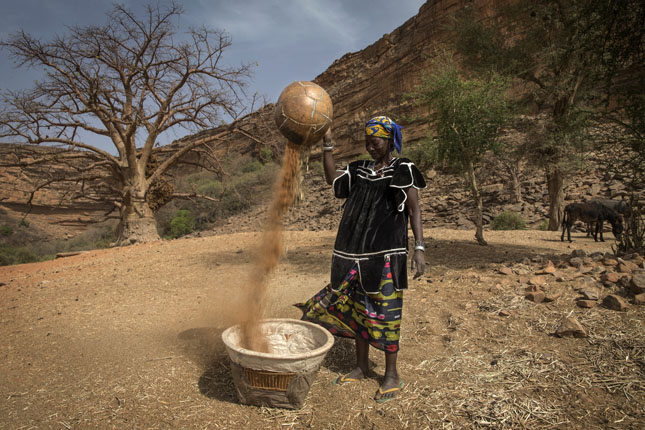
›August 22, 2016 // By Cara ThuringerMore often than not in the discourse around gender and climate change, the word “gender” is used primarily to refer to women. There is no disputing that women are acutely vulnerable to the effects of climate change in ways that are different than men and sometimes hidden. However, this interchangeable use of words neglects other dimensions of gender, sexual orientation, and sexual identity. As a result, we are missing important ways gender impacts people’s experiences with climate change.
-
Why East Africa’s Refugee Crises Can No Longer Be Ignored
›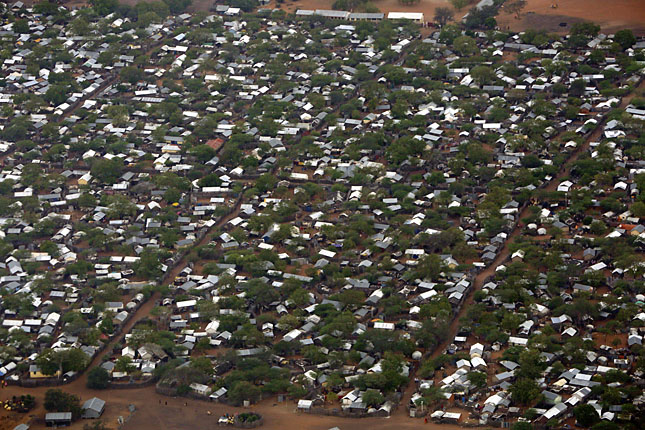
Citing security concerns, the government of Kenya recently announced their intent to close the world’s largest refugee complex, Dadaab, after almost 25 years. [Video Below]
-
2015 Migration Factsheet, and the Effects of Policy on Climate-Migration Trends in South America
›Climate change is expected to affect rural to urban migration and
 Omar O. Chisari and Sebastian Miller, in a recently released working paper by the Inter-American Development Bank, analyze the various policy options available in two cases: domestic migration to São Paulo, and international migration from Bolivia and Paraguay to Argentina. Migration into cities will impact climate change mitigation strategies.
 -
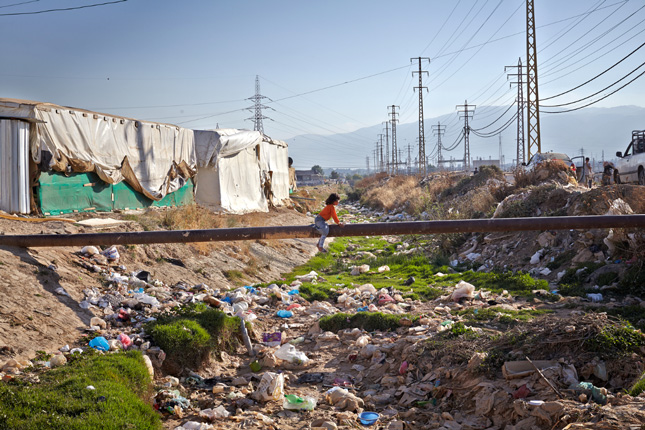
Behind the Headlines, Emerging Security Threats in the Middle East
›The Middle East, as much as ever, is the focus of international attention, but the obvious crises may be a distraction from deeper underlying issues.
-
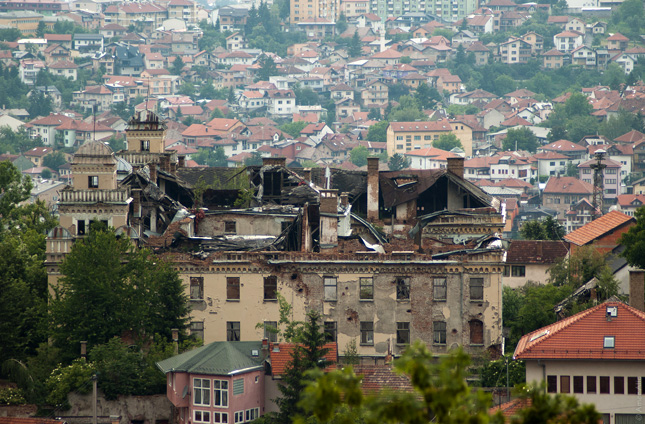
Forecasting Development: Observations From Scenario Planning for Bosnia and Herzegovina
›I’m planning a road trip and I want to know what to pack. I could rely on what I’ve learned from past trips or what it looks like out the window right now, but what would really help are a weather forecast and a guidebook telling me what I might expect. It’s no guarantee against a wrong turn or two, but it will certainly better prepare me for the road ahead and help me take advantage of opportunities along the way.
-
Keith Johnson, Foreign Policy
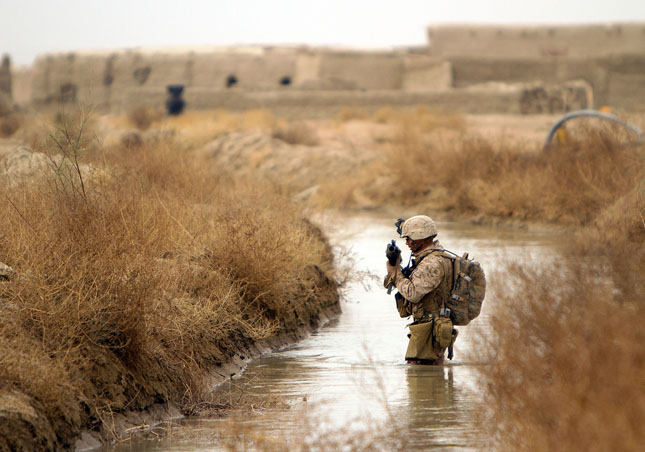
Pentagon Directive Quietly Makes Climate Change Long-Term Priority
›March 24, 2016 // By Wilson Center StaffIn the middle of January, Deputy Secretary of Defense Robert Work signed off on one of the potentially most significant, if little-noticed, orders in recent Pentagon history. The directive told every corner of the Pentagon, including the office of the secretary of defense, the joint chiefs of staff, and all the combatant commands around the world, to put climate change front and center in their strategic planning.
-
Creating a Water Ready World
›March 22, 2016 // By Sherri GoodmanSitting at my desk looking at bills to be paid, the first one on the stack is for the water company, emblazoned with the phrase, “Water is Life.” Yes, we all know that. But really, as my teenagers would say, “Duh, Mom. So what?”
Well, here’s the “so what” on this World Water Day 2016.
-
An Empty Table? Food-Climate-Conflict Connections in Paris
›Security, terrorism, conflict, and peace: you won’t find any of these words in the landmark agreement released on December 12 at the 2015 Paris Climate Conference (COP-21). It’s never been front-and-center on the agenda at previous Conference of Parties, from Copenhagen to Cancun. But in Paris, a city reeling from terrorist attacks, the specter of climate-related conflict haunted delegates and the potential of a climate-resilient peace inspired grassroots protests.
Showing posts from category Syria.